
In most films, the biggest challenge for a filmmaker is to keep the audience guessing what happens next. Will the hero defeat the villain? Will the lovers reunite? Will good triumph over evil?
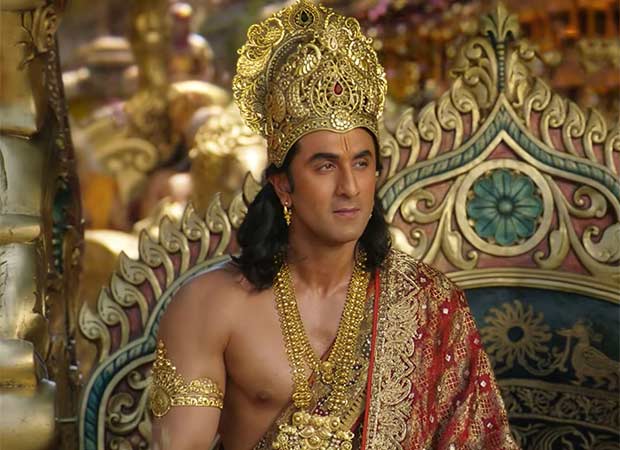
Nitesh Tiwari doesn’t have that luxury.
As he prepares to bring Ramayana: Part One to cinemas on November 5, the filmmaker faces a challenge unlike almost anything in contemporary Indian cinema. A vast audience already knows the story. They know the characters, the major conflicts, the sacrifices and the eventual outcome.
And yet, they will pay to watch it again.
This is the fascinating paradox at the heart of Ramayana. The familiarity of the epic could become the film’s biggest commercial strength. But it could also become its greatest creative obstacle.
How do you surprise an audience that already knows what is going to happen?
The biggest spoiler in Indian cinema history
Imagine making a thriller where the audience already knows the killer. Or a romantic film where everyone knows whether the couple will end up together. That is effectively the challenge facing the makers of Ramayana.
The epic has been narrated, performed, adapted and reinterpreted across generations. From Ramanand Sagar’s iconic television series to animated adaptations, theatrical productions and countless regional retellings, the story occupies an extraordinary place in Indian cultural consciousness.
For many viewers, Lord Rama, Sita, Lakshman, Hanuman and Ravana are not simply characters from a story. They are figures with deep religious, emotional and cultural significance. That creates an unusual relationship between the audience and the filmmaker.
Viewers are not necessarily arriving to discover a new narrative. They are arriving with memories, expectations and deeply established ideas about how the characters should behave. Even a small creative choice could generate intense discussion.
Familiarity can be a box-office superpower
However, knowing the story does not necessarily reduce the desire to watch it. In fact, some of the biggest cinematic successes have been built around narratives that audiences already understand.
Titanic was based on a historical disaster whose outcome was universally known. The Lord of the Rings attracted readers familiar with J.R.R. Tolkien’s novels. The Harry Potter films turned bestselling books into enormous theatrical events.
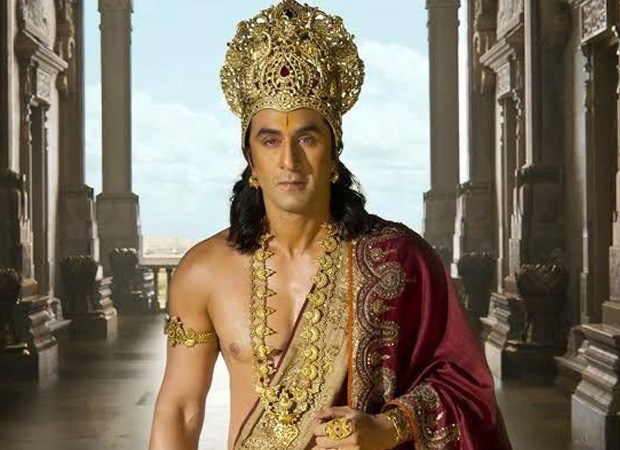
In these cases, audiences were not buying tickets merely to find out what happened next.
They wanted to experience familiar stories in a new cinematic form.
Ramayana has a similar opportunity, although the cultural and religious significance of its source material creates additional responsibilities.
The film does not need to invent suspense around the eventual outcome. It needs to make the journey emotionally compelling. The question is not whether Rama will defeat Ravana. It is whether audiences will feel the emotional weight of everything that leads to that confrontation.
The danger of changing too much or too little
This is where the creative challenge becomes particularly difficult. If the makers follow familiar versions of the story too closely, younger audiences accustomed to contemporary cinematic storytelling may find the treatment predictable. But if they introduce significant changes to the characters, dialogues or events, they risk alienating viewers who expect a faithful interpretation.
The challenge is further complicated by the fact that the Ramayana does not exist in only one narrative tradition. Different regions, languages and communities have their own retellings and interpretations.
What one audience considers familiar may not be identical to what another expects. Nitesh Tiwari must therefore balance creative interpretation with cultural sensitivity. And that balance could prove more important than the film’s visual effects or action sequences.
Why emotion must defeat spectacle
The scale of Ramayana is undoubtedly one of its major attractions. The involvement of Prime Focus Studios and DNEG has generated expectations of elaborate visual effects and ambitious world-building.
But spectacular imagery alone cannot make the film memorable. Audiences may initially be impressed by the grandeur of Ayodhya, the magnificence of Lanka or the scale of the battle sequences. What will remain with them, however, is the emotional impact of the characters.
Rama’s sense of duty, Sita’s courage, Lakshman’s loyalty, Hanuman’s devotion and Ravana’s pride offer extraordinary dramatic possibilities. If these relationships are handled convincingly, audiences could find themselves deeply moved by events they have known since childhood.
That would be a far greater achievement than merely delivering technically impressive action sequences.
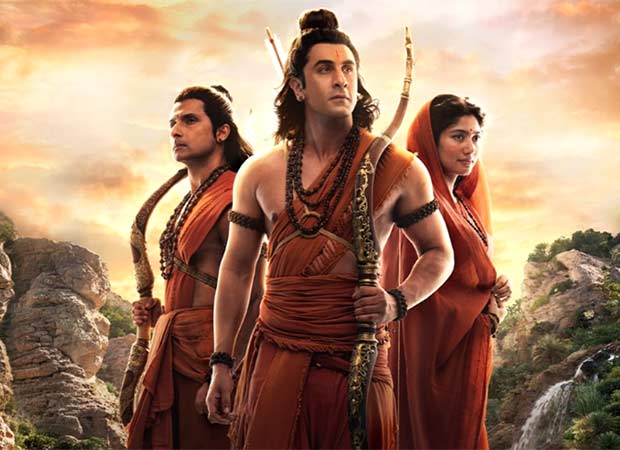
The generational challenge
Another fascinating aspect is the difference in expectations across age groups. Older viewers may approach the film with memories of traditional portrayals and television adaptations. Middle-aged audiences may seek a balance between emotional familiarity and modern cinematic production values.
Younger audiences, meanwhile, may expect the visual sophistication and pacing associated with contemporary global blockbusters.
The film must appeal to all these groups without feeling like three different films stitched together. That is no ordinary challenge.
A sequence that feels appropriately reverential to one audience could appear slow to another. A visually spectacular interpretation that excites younger viewers might not necessarily appeal to those who prefer a more traditional presentation.
The makers must find a common emotional language capable of bridging these expectations.
The final verdict
The box-office numbers of Ramayana will undoubtedly dominate headlines. Its opening-day collections, worldwide gross and comparisons with previous blockbusters will generate enormous attention.
But the film’s most important test cannot be measured entirely in crores.
It will be whether Nitesh Tiwari can make audiences laugh, cry, cheer and feel emotionally invested in a story whose major events they already know. The greatest achievement of Ramayana would not be surprising viewers with what happens next. It would be making them feel as though they are experiencing those familiar moments for the very first time.
After all, when the whole country knows the story, the only thing left to surprise them with is how powerfully it is told.