

We spend years preparing for careers, building financial independence and planning our futures, but how much time do we dedicate to preparing for marriage? A new certificate course at Goa College of Home Science is putting this question in the spotlight, encouraging young adults to look beyond wedding preparations and understand what it takes to build a healthy, lasting relationship. (Image: Pexels)

Titled “Marriage Readiness: Preparing for Healthy and Lasting Relationships”, the 15-day certificate course will be conducted by the college’s Department of Human Development and Family Studies from December 2 to 17, 2026. It comes after Goa Chief Minister Pramod Sawant announced the state government’s intention to introduce pre-marriage counselling across Goa to help reduce divorces. The course is open to undergraduate and postgraduate students, unmarried young adults and others interested in building healthy relationships and preparing for marriage. Here are six important aspects of relationship readiness that the course aims to explore. (Image: Pexels)

Understanding Yourself Before Committing to Someone
A healthy relationship begins with understanding yourself. Knowing your values, emotional needs, expectations and personal boundaries can help you make more informed decisions about a partner. Self-awareness also helps individuals recognise how they respond to disagreements, express affection and handle emotional stress. Understanding these patterns can make it easier to communicate openly and build a relationship based on mutual respect. (Image: Pexels)

Knowing What Dating Means to You
Dating can help people understand compatibility, expectations and the kind of relationship they want. However, people may approach dating with different intentions, making honest conversations important. One of the course sessions, “Dating: Understanding Its Purpose and Dynamics”, will explore this aspect of relationships. Understanding what each person wants can help avoid confusion and encourage more meaningful connections. (Image: Pexels)

Understanding Belonging and Emotional Needs
Feeling accepted, valued and emotionally secure is an important part of a relationship. However, partners may express these needs differently, and assumptions can sometimes lead to misunderstandings. The course includes a session titled “Self-Awareness and the Need to Belong”, which focuses on an important aspect of human relationships. Recognising emotional needs and learning to communicate them can help partners develop a stronger sense of trust and connection. (Image: Pexels)

Exploring Gender Roles and Expectations
Ideas about masculinity and femininity can influence how people approach relationships, household responsibilities, emotional expression and decision-making. The course will address this through a session titled “Exploring Masculinity and Femininity and Its Influence on Relationships”. Examining these expectations can help couples understand each other better and question assumptions that may affect their partnership. (Image: Pexels)
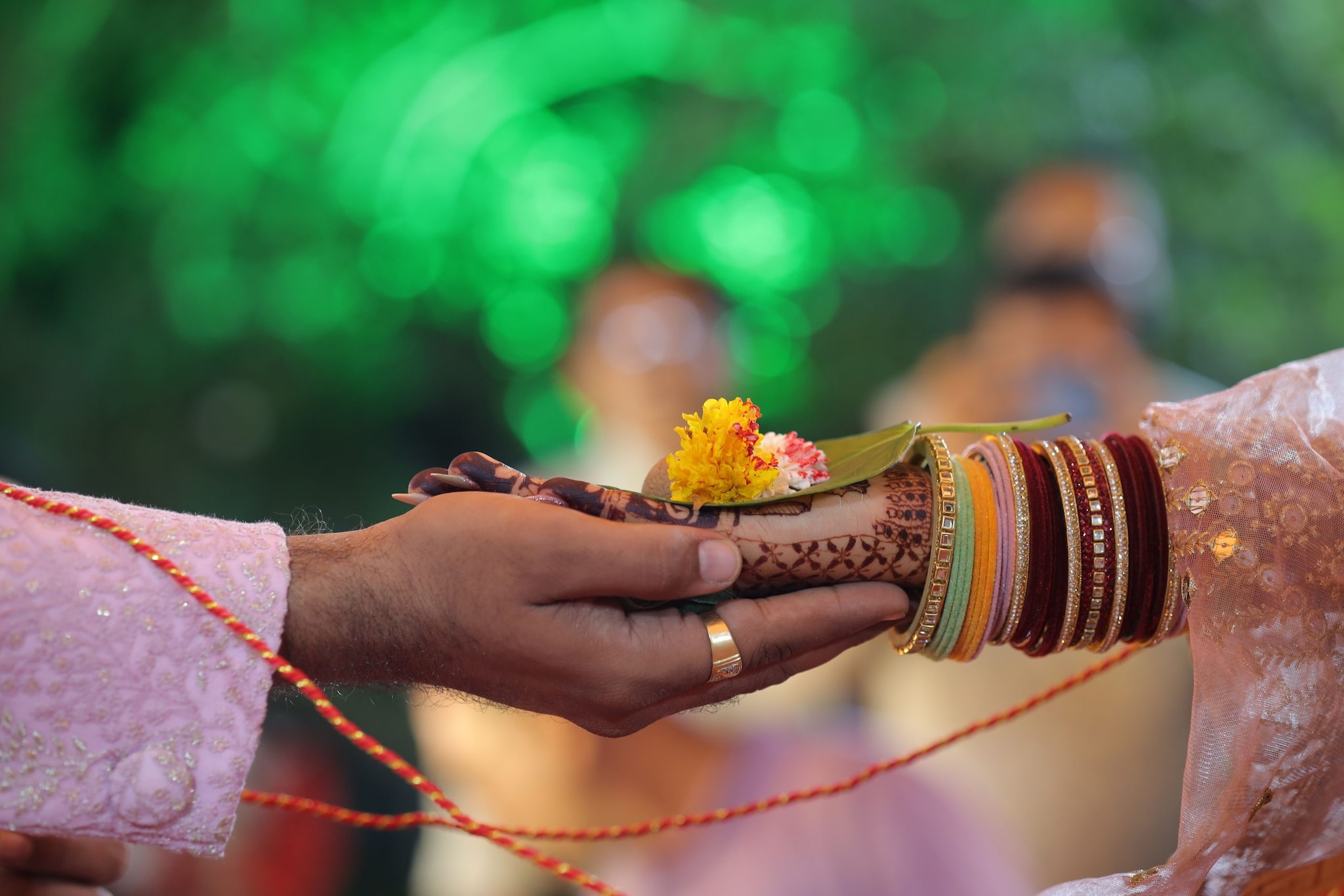
Knowing The Difference Between A Wedding and A Marriage
A wedding is an event, but marriage involves the everyday realities of sharing a life with another person. These may include managing finances, dividing household responsibilities, making family decisions and navigating disagreements. The course’s session, “Wedding Versus Marriage: Understanding the Difference”, highlights this distinction. While wedding planning often focuses on ceremonies, outfits and celebrations, preparing for married life involves conversations about long-term goals, responsibilities and expectations. (Image: Pexels)

Understanding Commitment and Shared Responsibilities
Marriage readiness also involves recognising that a lasting relationship requires effort from both partners. Commitment is not limited to the wedding day; it develops through everyday choices, communication and the willingness to work through challenges together. (Image: Pexels)