
4 min readNew DelhiMay 2, 2026 06:00 AM IST
For many Indians, chai is more than just a beverage; it is a ritual. Whether it is the first cup of the morning or an evening pause after work, tea often feels incomplete without something crunchy to dip into it. Biscuits and rusks are the most common companions, but for people watching their blood sugar, these small indulgences may be more significant than they seem. While they may appear harmless, these tea-time staples are often loaded with refined flour, added sugar, and unhealthy fats that can quietly disrupt glucose control.
According to Dr Pranav Ghody, Consultant Endocrinologist & Diabetologist, Wockhardt Hospitals, Mumbai Central, the difference between biscuits and rusks is smaller than most people assume.

DISCLAIMER: This article is based on information from the public domain and/or the experts we spoke to. Always consult your health practitioner before starting any routine.
Biscuits vs Rusks: Which is less harmful?
“Between the two, plain rusks are slightly less harmful, mainly because they are drier and often contain a little less fat compared to biscuits,” says Dr Ghody. “However, the difference is not dramatic. Both are largely made from refined flour, and both can raise blood sugar quickly.”
“Having one small piece instead of mindlessly eating four or five makes a much bigger difference than simply choosing rusks over biscuits,” he adds.
Why refined flour and sugar cause trouble
The main issue lies in the ingredients. Most commercial biscuits and rusks are made using maida or refined flour, which is rapidly broken down by the body, says Dr Ghody. “Refined flour gets digested very fast, which causes a quick spike in blood sugar,” explains Dr Ghody. “When sugar is added on top of that, the glucose rise becomes even sharper.”
This quick spike is often followed by a sudden drop, leading to hunger and cravings shortly after. It creates a cycle of repeated snacking and unstable sugar levels, he adds.
Story continues below this ad
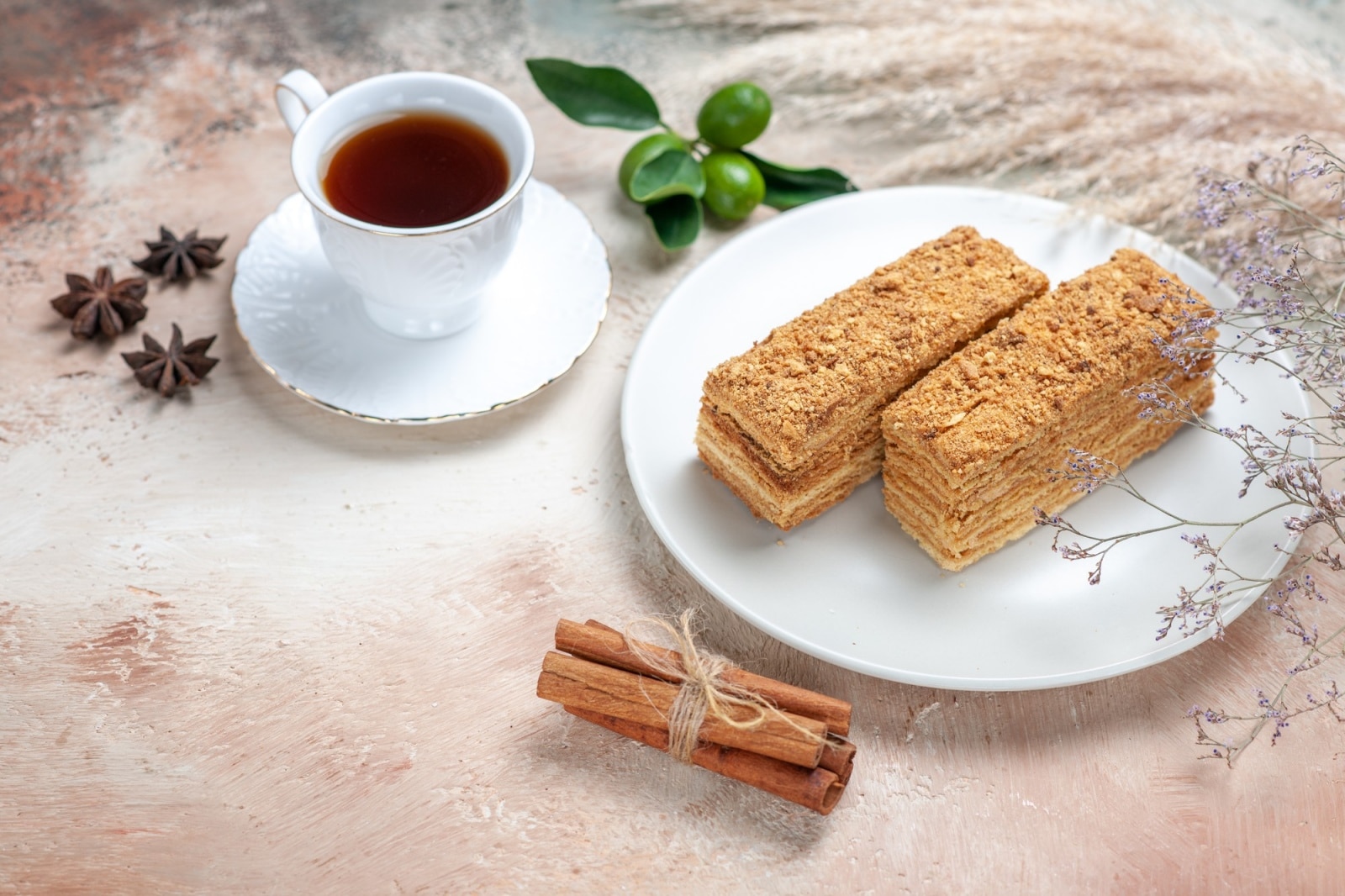 Chai biscuit vs Chai rusk (Photo: Freepik)
The hidden fat problem
“These fats are not just empty calories,” says Dr Ghody. “Over time, they can worsen insulin resistance, which means the body becomes less effective at handling glucose.” Insulin resistance is one of the major contributors to Type 2 diabetes and metabolic issues. So while a biscuit may seem like a tiny indulgence, regular consumption can have a larger long-term impact.
He points out that even “digestive” or “lite” biscuits marketed as healthier options can still contain significant amounts of refined flour and unhealthy fats.
Better alternatives with chai
Story continues below this ad
Dr Ghody recommends replacing biscuits and rusks with snacks that offer protein, fibre, or healthy fats. “Better options include a handful of roasted chana, a small portion of peanuts, makhana, or even a slice of multigrain toast with peanut butter. A boiled egg also works very well because it provides protein and keeps you fuller for longer.”
These foods slow down sugar absorption, reduce post-meal glucose spikes, and prevent unnecessary cravings later. He also advises paying attention to the tea itself. “If the chai contains too much sugar, even the healthiest snack will not fully balance that out. Reducing sugar in tea is equally important.”
DISCLAIMER: This article is based on information from the public domain and/or the experts we spoke to. Always consult your health practitioner before starting any routine.
