
Silicon-carbon battery technology isn’t new, but a technology that has matured over the years. Huawei showcased the world’s first production smartphone with a 5,450mAh battery at its 2023 Mobile World Congress (MWC) event in Barcelona. The battery powered the Honor Magic 5 Pro, which wasn’t a foldable but a regular flagship phone. With it, Huawei made the point that it is possible to pack more capacity into the same battery footprint. This is because the global version of the same device had a 5,100mAh lithium-polymer battery.
Who doesn’t want more battery life? Following Huawei, Oppo, OnePlus, Vivo, and Xiaomi also gradually introduced their respective silicon-carbon batteries, coupled with fast-charging technologies.
Today, silicon-carbon batteries have gotten quite common. You can even find them in budget smartphones like the Realme P3, which costs just Rs. 15,999. The technology brings several other benefits besides the obvious higher capacity. So, why haven’t Apple and Google switched over, while Chinese smartphone brands have properly democratised the technology in 2026?
The Benefits of Silicon-Carbon Over Lithium-Ion Batteries
Let’s start with the basics, which is the technology powering the battery. For those unfamiliar, silicon-carbon batteries are based on the same (traditional) lithium-ion technology, with a few upgrades. Lithium-ion batteries use a liquid electrolyte with a high energy density. Inside these batteries, lithium ions move between a graphite anode and a metal oxide cathode, thus producing energy in the process.
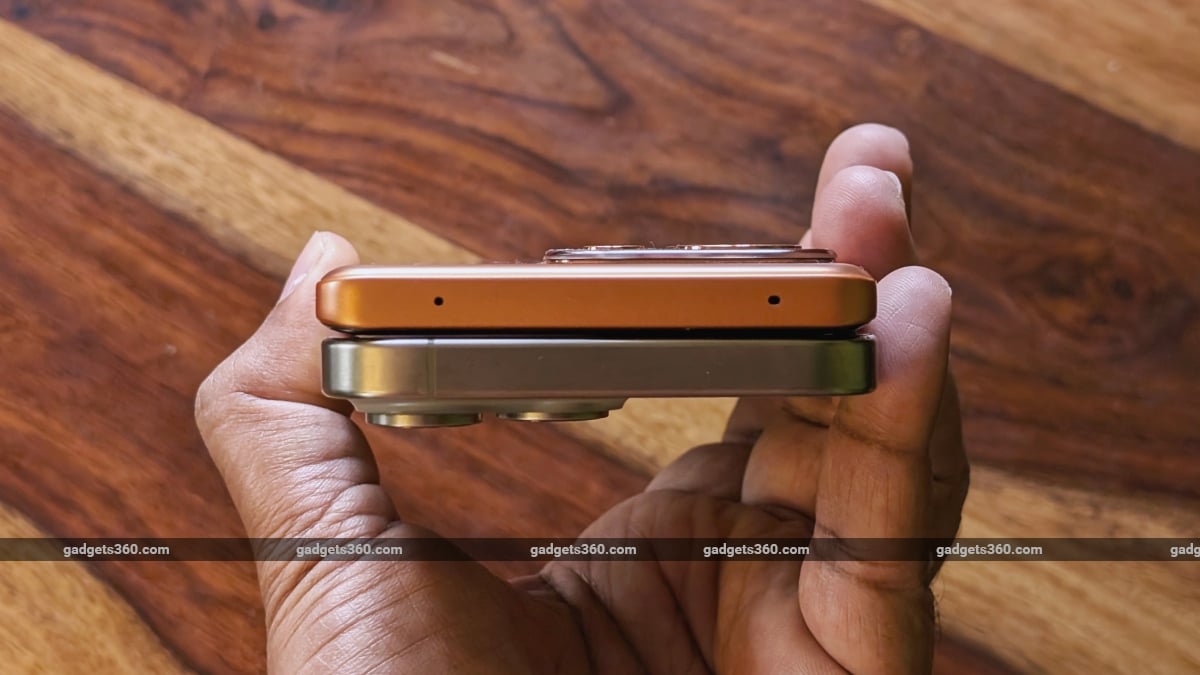
Realme’s P4 Power (top) packs a 10,001mAh battery capacity and yet remains slimmer than an Apple iPhone 15 Pro Max (bottom)
Silicon-carbon technology improves on lithium-ion technology by using silicon and carbon anodes. Since silicon-carbon anodes can hold far more lithium ions, they can dramatically increase a battery’s charge-holding capacity.
Simply put, silicon-carbon technology now lets you pack much higher capacities into standard-sized smartphones. Case in point, the Realme P4 Power, which offers a powerbank-sized 10,001mAh battery capacity, packaged into a smartphone that’s barely thicker than a premium iPhone.
While this alone makes a strong case for big-battery smartphones, silicon-carbon technology also lets you pack more capacity into tight spaces. This makes them ideal for foldables, which have extremely slim designs and still need to accommodate performance-related mechanisms like vapour-cooling chambers and even a wireless charging coil. It’s no wonder Samsung finally gave in to silicon-carbon batteries for Galaxy Z Fold and Flip devices this year after years of holding back.
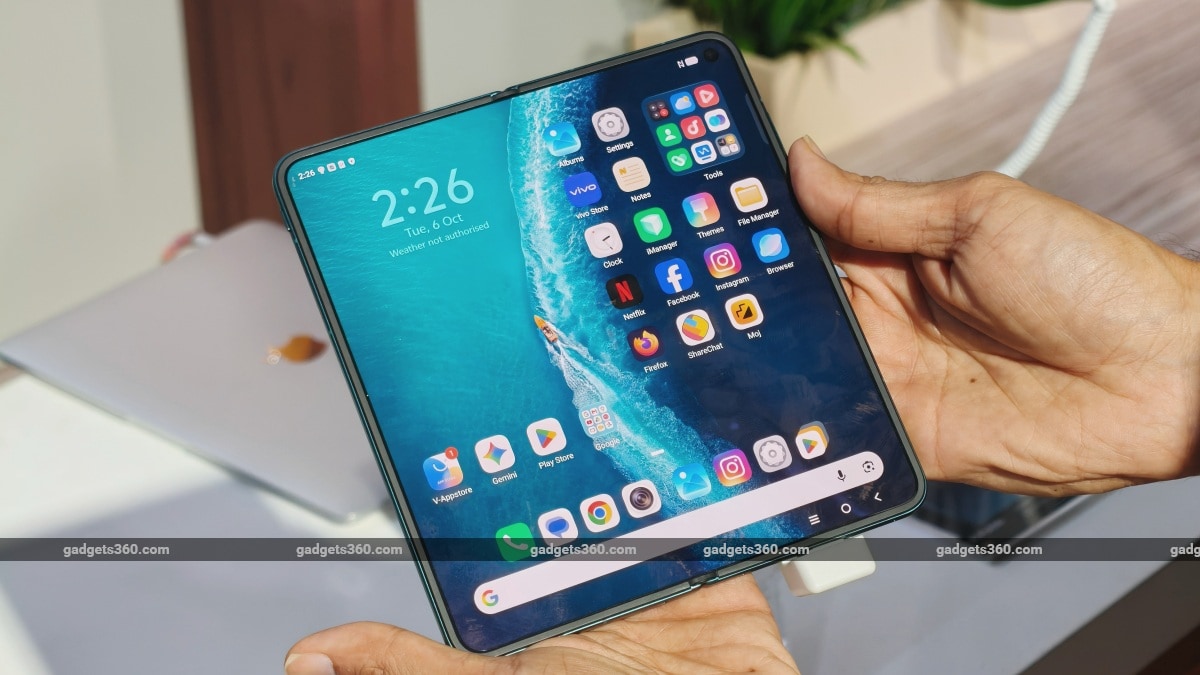
Vivo’s X Fold 6 packs a 6,900mAh battery in its super-slim 4.8mm chassis, plus a bigger display, yet weighs less than the iPhone Duo and Pixel 11 Pro Fold at 228 grams.
Because silicon batteries have lower internal resistance than traditional graphite anode batteries, they can also charge much faster. This is possible because of the carbon scaffolding, which controls the expansion of the battery. This allows manufacturers to not only offer smartphones with higher battery capacities that last longer, but also charge a lot faster at 100W and beyond.
The Downsides of Using Silicon-Carbon Batteries
It may sound like the evolution of the smartphone battery, but silicon-carbon technology is not perfect. Samsung (which has had its fair share of battery-related accidents in the past) has finally adopted silicon-carbon battery tech this year. Apple, even in its latest iPhone Duo (and its thinnest iPhone Air), has refused to go with silicon-carbon batteries, which would have benefitted its users with better battery life, lighter and slimmer designs. Google is also hanging in there with its Pixel lineup.
While Apple focuses on power-efficient chipsets and software optimisation to deliver better battery life, Samsung’s regular flagships and Google, indeed, feel left behind when compared to high-end Chinese flagship devices. So, what’s with the hold-up?
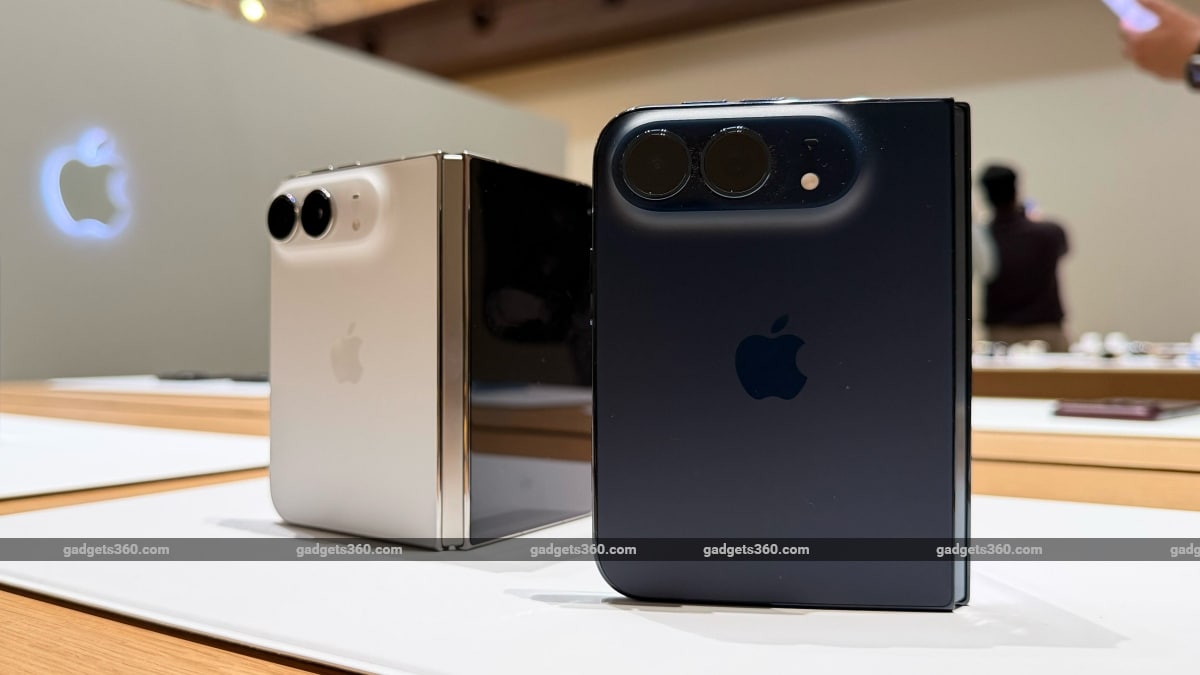
Apple’s iPhone Duo is the heaviest foldable currently, tipping the scales at 254 grams (more than a quarter of a kilo)
In 2026, silicon-carbon battery technology has evolved to the point where we are beginning to witness the launch of flagship devices with 9,000mAh batteries and 100W charging. Chinese smartphone brands have slowed the charging race (with smartphones reaching 200W) and seem to have settled on 80-100W for premium devices and around 45-80W for budget- to mid-range smartphones. The reason behind this is to control long-term battery degradation, which is reportedly faster with silicon-carbon batteries due to their rapid expansion and contraction.
Should You Pick One Over the Other?
Heat buildup and fast-charging speeds are any smartphone’s biggest problems. This also affects the long-term degradation of the batteries inside them. Chinese smartphone brands are gradually tackling and addressing the long-term durability of silicon-carbon batteries using dual batteries and balancing fast charging and temperature control (using proprietary chargers). It is inevitable that most manufacturers will end up switching to or adopting silicon-carbon batteries over time, because they are lighter, pack a higher capacity and can be packaged in all sorts of sizes and shapes.
The situation on the other side of the fence isn’t comfortable either, as Apple’s iPhones, Samsung’s Galaxy S models and Google’s Pixels heat up quite a bit even when charging at 25W-45W.
Lastly, since most smartphone batteries need replacing after 3-4 years (due to degradation), the benefits of higher capacity and faster charging from silicon-carbon batteries easily outweigh the durability benefits of lithium-ion batteries. But your decision to pick one over the other currently boils down to which operating system and smartphone brand you choose, and nothing else.