
That soft, sink-in sofa may feel like heaven after a long day, but your spine may strongly disagree. Dr K S Mane, a Karnataka-based spine surgeon, recently rated different types of sofas based on their impact on spinal health, with beanbags at the bottom and sofas with lumbar support as the clear winner.
Intrigued, we decided to dig deeper and reached out to Dr Harshal Bamb, Senior Consultant – Spine Surgeon, Gleneagles Hospital, Parel, who broadly agrees with the logic, though he says how long and how often you sit matters just as much as the sofa itself.
DISCLAIMER: This article is based on information from the public domain and/or the experts we spoke to. Always consult your health practitioner before starting any routine.
Beanbag: 0/10
At first glance, beanbags may seem like the ultimate comfort seat. But Dr Bamb warns they offer “very little back and spine” support. “Since the body sinks deep into the seat, the spine often bends into an unhealthy posture, increasing strain on the neck, lower back, and hips,” the surgeon explains.
Sitting on bean bags for long periods can lead to “poor posture, stiffness, muscle fatigue, and worsening back pain”, especially in people already dealing with spinal problems. In short, occasional lounging may be fine, but using one regularly is unlikely to make your spine happy.
2. Soft sofa: 2/10
Plush sofas may feel inviting, but excessive softness can work against healthy posture.
“They often cause the pelvis to sink inward and the lower back to round unnaturally. This poor sitting posture increases pressure on the spine, neck, and hip joints over time,” Dr Bamb tells indianexpress.com.
Minimal lumbar support, as he explains, can also lead to stiffness, muscle strain, poor posture, and worsening back discomfort, especially during prolonged sitting.
Story continues below this ad
If your sofa swallows you whole, your lower back may be paying the price!
3. Wooden sofa with thin cushion: 7/10
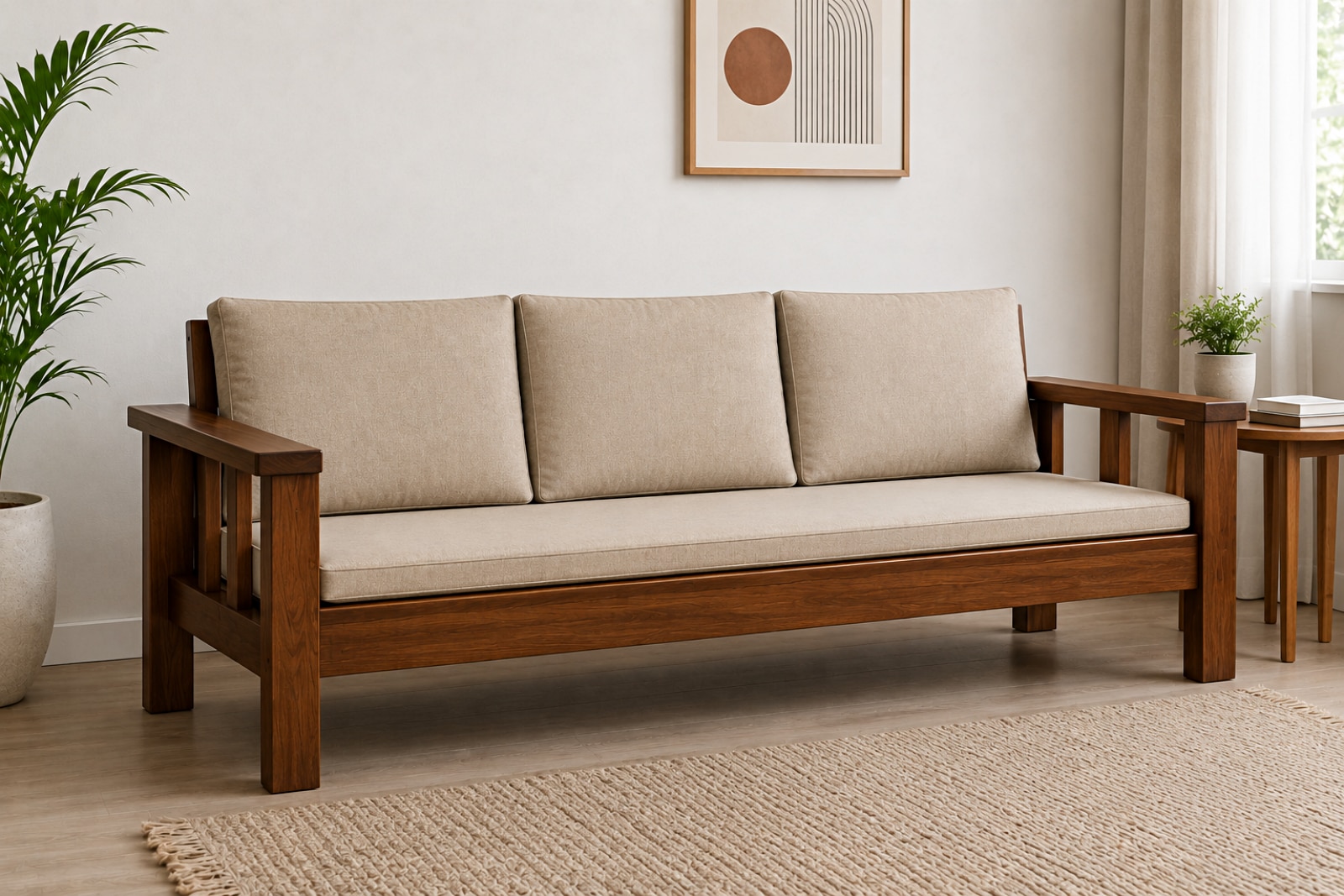 This sofa has a firm base and also helps maintains posture, but can offier limited comfort (Image: ChatGPT generated)
Firm seating tends to support posture better, because of “better spinal alignment,” though it comes with trade-offs.
“The stable base prevents excessive sinking and reduces unnecessary pressure on the lower back. However, limited cushioning may become uncomfortable during long sitting hours and can sometimes cause stiffness or pressure on the hips and tailbone.”
Translation? Better for posture, not always ideal for movie marathons.
Story continues below this ad
4. Recliner sofa: 3/10
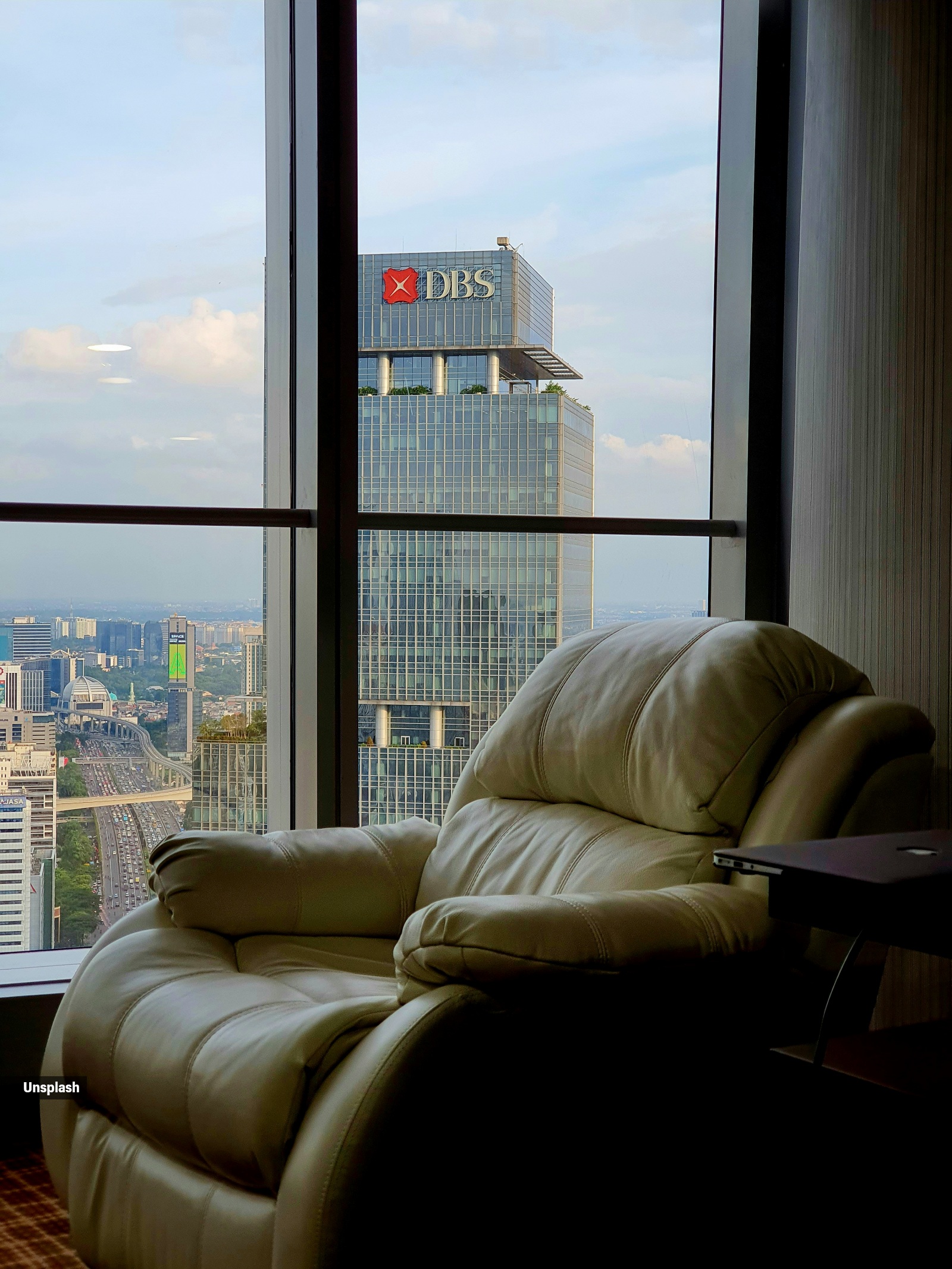 Prolonged sitting in a reclined position can reduce proper spinal support and weaken posture over time (Image: Unsplash)
Recliners are designed for comfort, but that comfort can encourage unhealthy habits. “They often encourage passive sitting habits, leading to strain on the neck, lower back, and shoulders. Spending long hours in recliners can also contribute to stiffness, muscle weakness, and worsening back discomfort.” A short post-dinner recline is one thing. Spending half the day in one is another.
5. Sofa with lumbar support cushion: 10/10
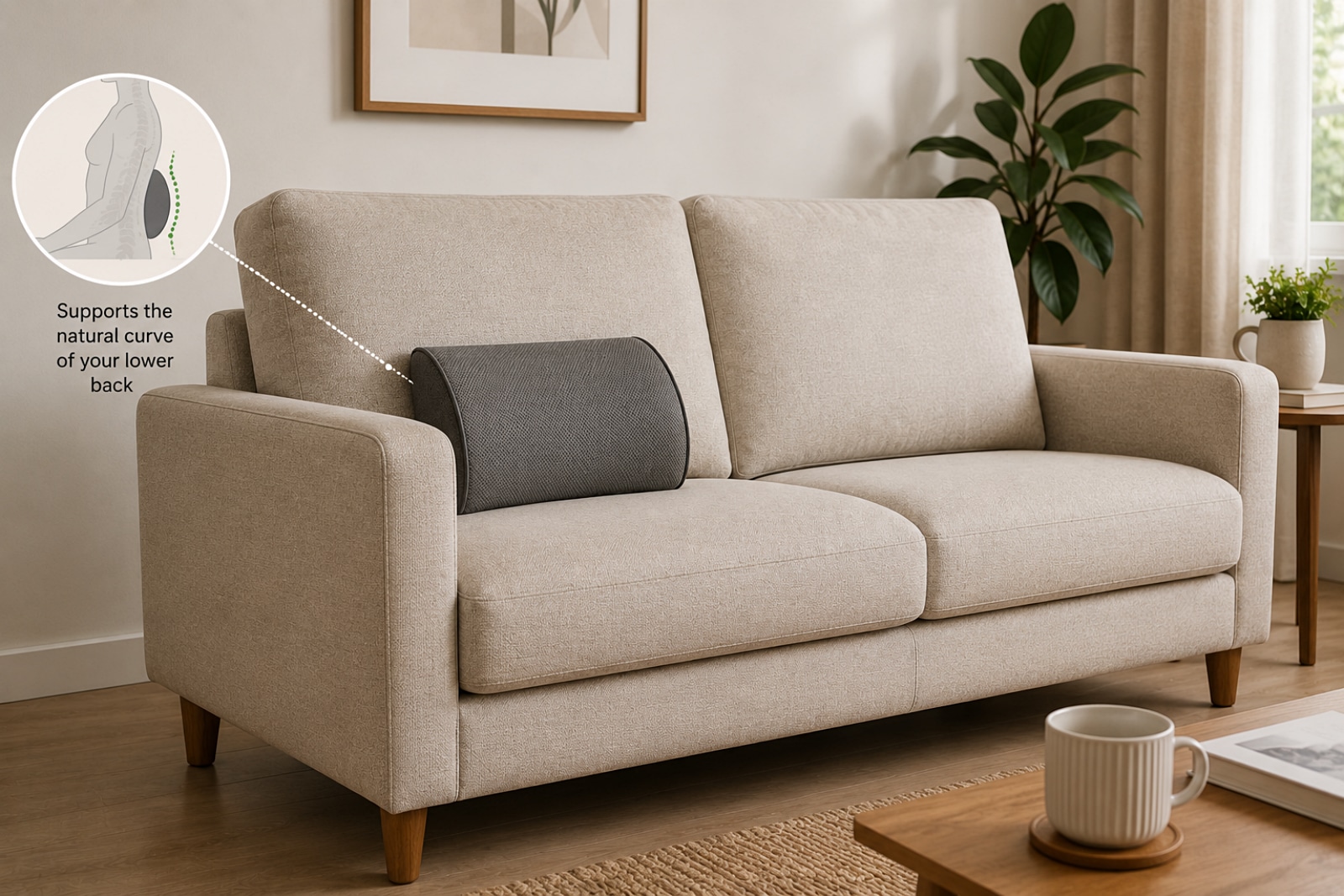 Sofas with proper lumbar support cushions help maintain the natural curve and structure of the spine while sitting (Image: ChatGPT)
This is where spine experts are happiest. “Sofas with proper lumbar support cushions help maintain the natural curve and structure of the spine while sitting. They reduce pressure on the lower back, improve posture, and provide better comfort during long sitting hours.”
Good lumbar support can also help prevent stiffness, muscle strain, and chronic back pain while allowing the body to stay relaxed and supported.” The key here is support, not just softness.
6. Adjustable backrest sofa: 8/10
For people who spend long hours sitting, flexibility can be a big plus.
“Adjustable backrest sofas are a good option because they allow users to modify the sitting angle according to comfort and posture needs. They help maintain better spinal alignment and reduce strain on the neck and lower back during prolonged sitting. Proper adjustment also supports relaxation without causing excessive pressure on the spine or muscles.”
Story continues below this ad
Being able to shift positions can help reduce the strain of staying in one posture for too long.
Not all sofas are equally spine-friendly, but as confirmed by both the experts, back generally prefers support over excessive softness!
DISCLAIMER: This article is based on information from the public domain and/or the experts we spoke to. Always consult your health practitioner before starting any routine.
