
4 min readNew DelhiSep 9, 2026 04:00 PM IST
If you have ever checked the ingredient list on a packet of salt, spice mix or other powdered food, you may have come across an unfamiliar name: calcium silicate.
It is commonly used as an anti-caking agent to prevent dry foods from clumping together. But the word “calcium” in its name can make you wonder: Is it actually a source of calcium? And if not, could its consumption harm your health?

In a conversation with indianexpress.com, Himanshi Sharma, Chief Clinical Nutritionist, ISIC Multispeciality Hospital, explains what consumers should know about calcium silicate in food.
DISCLAIMER: This article is based on information from the public domain and/or the experts we spoke to. Always consult your health practitioner before starting any routine.
What is calcium silicate and why is it added to food?
Calcium silicate is used in food mainly as an anti-caking agent, as specified by additive regulations. However, despite its name, calcium silicate should not be considered a meaningful source of dietary calcium.
“Its role is primarily functional—it improves texture, handling, and shelf life without adding nutritional value,” Sharma explains.
She further specifies that consumers are more likely to find calcium silicate in dry, powdered or granular food products where moisture can cause clumping.
Story continues below this ad
“These may include certain types of salt, spice and seasoning powders, powdered drink mixes, soup mixes, coffee creamers and other dry food preparations, depending on how the product is manufactured,” the nutritionist notes.
However, not every product in these categories contains calcium silicate. The easiest way to check is to look for “calcium silicate” or “INS 552” in the ingredient list.
Is calcium silicate safe to consume regularly?
“Calcium silicate is permitted as an anticaking agent in India, and it also has authorised uses in other regulatory systems,” Sharma notes.
However, permitted use does not mean that unlimited intake should be considered safe. “European Food Safety Authority (EFSA) has noted that the available long-term safety data for calcium silicate are limited, so research and regulatory review remain important.”
Story continues below this ad
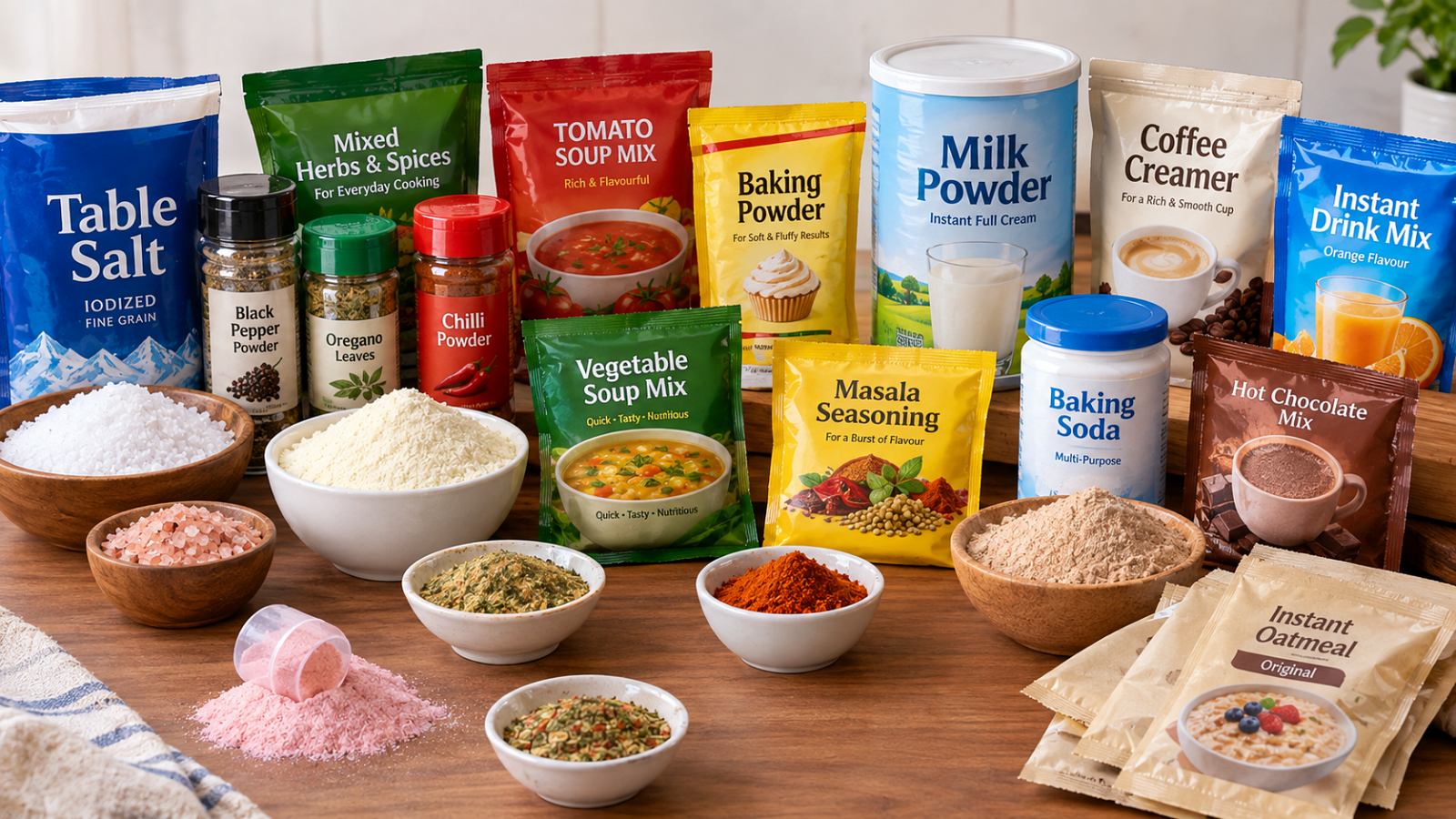 It is often found in certain types of salt, spice and seasoning powders, powdered drink mixes, soup mixes, coffee creamers and other dry food preparations (Ai generated image)
What happens to calcium silicate after you eat it?
“According to the available evidence reviewed by EFSA, silicates dissociate only to a limited extent in the gastrointestinal tract, and absorption of the silicate component is considered very low,” says Sharma.
Much of the material therefore passes through the digestive system rather than entering the bloodstream in significant amounts.
“Small amounts may be absorbed and subsequently handled by the body, but calcium silicate should not be viewed as a significant nutritional source of calcium or silicon.”
Can excessive or prolonged consumption cause health problems?
There is currently limited evidence to define the effects of very high or prolonged dietary exposure to calcium silicate in humans.
Story continues below this ad
“EFSA reported very low absorption and no indication of genotoxicity or developmental toxicity in the available studies, but also highlighted gaps in long-term toxicity data,” Sharma says.
Some animal studies have reported accumulation of silicon in the liver and kidneys at very high doses. This does not mean that the amounts present in ordinary foods cause the same effects, but consumers should not assume that unlimited exposure is harmless.
“If someone experiences persistent digestive symptoms or has concerns about repeated exposure, discussing the diet with a healthcare professional is sensible,” she adds.
Should you avoid a food if it contains calcium silicate?
“Consumers do not generally need to avoid a product simply because it contains calcium silicate,” Sharma assures.
Story continues below this ad
However, it is always sensible to look at the overall ingredient list and choose a balanced diet with fewer highly processed foods.
“If you have a specific medical condition or concerns about frequent exposure to additives, discuss your diet with a qualified nutritionist or doctor,” she concludes.
