
Have you ever wondered whether face masks conceal your identity better than sunglasses? The answer might surprise you.
In an interesting post on X, neurologist Dr Sudhir Kumar asks his followers, “Which of the two is more effective in masking face identity: Sunglasses or the face mask?”

Which of the two is more effective in masking face identity: Sunglasses or the face mask? pic.twitter.com/UngcLKBynW
— Dr Sudhir Kumar MD DM (@hyderabaddoctor) June 1, 2024
This is based on a 2023 study, where researchers aimed to find out how face identification performance was affected by both types of face disguise. They mentioned, “To summarise, we found that both face masks and sunglasses impaired face identification but in different manners.”
The study further stated, “Sunglasses led to stronger impairment than face masks did (lowering sensitivity by 50% on average).”
DISCLAIMER: This article is based on information from the public domain and/or the experts we spoke to.
But why is this the case?
Dr Jagadish J Hiremath, medical director at Aasra Hospitals, elaborates, “Sunglasses hinder facial recognition to a greater extent than face masks, primarily due to their obstruction of the eyes. The eyes, along with the eyebrows and surrounding areas, are crucial features that our brains utilise for identification and memory of faces.”
In contrast, he adds, face masks typically cover the lower part of the face, which, while still contributing to recognition, is less essential than the eye region. Studies have demonstrated a significant decrease in facial recognition accuracy when the eye region is obscured, highlighting its pivotal role in this process.
Why do we tend to make more mistakes identifying people when their faces are partially covered?
Partial face coverings, according to Dr Hiremath, whether masks or sunglasses, lead to errors in identification due to the disruption they cause in the processing of facial features. He says, “Our brains are inherently wired to process faces as unified wholes rather than as individual components. When crucial features such as the eyes are hidden, the brain must rely on less reliable features, increasing the likelihood of mistakes.”
Story continues below this ad
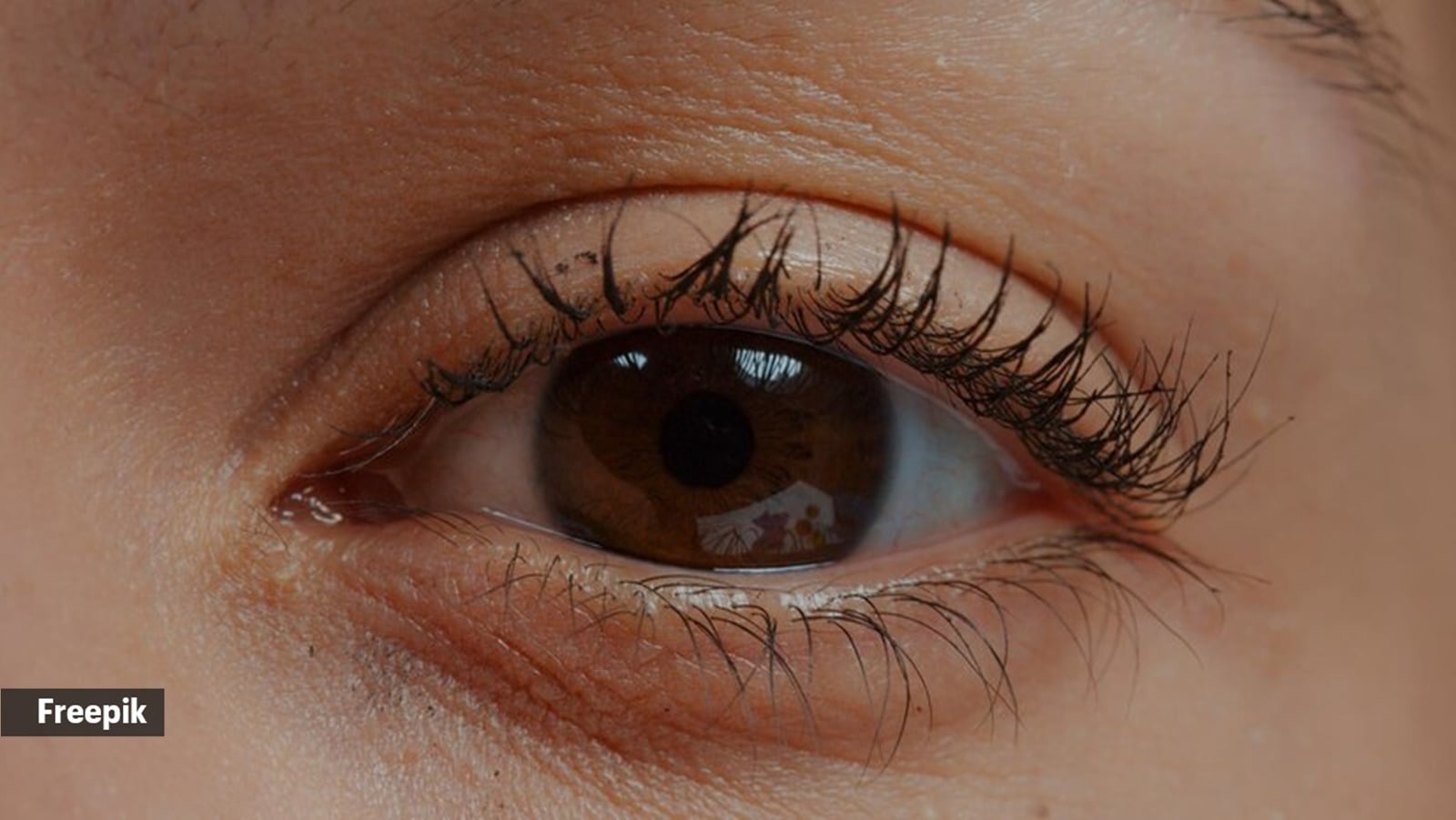 The widespread use of face masks during the pandemic has presented unprecedented challenges to our facial recognition abilities. (Source: Freepik)
He states that obscuring key facial features increases the cognitive load during recognition, resulting in higher error rates. “This highlights the importance of unhindered access to all facial features for optimal recognition performance.”
How does wearing a mask or sunglasses at different times affect our memory of someone’s face?
The timing of when a mask or sunglasses are worn can significantly influence the retrieval of facial memory, agrees Dr Hiremath. “If an individual initially encounters a face while the person is wearing sunglasses and later sees the same face without them, the resulting incongruence can impair recognition.”
Research suggests that congruence between the learning and recognition phases is crucial, as faces learned with coverings are recognised more effectively when those coverings remain consistent. This asserts the importance of context in facial memory encoding and retrieval.
Effect of increased use of masks on our ability to recognise faces
Dr Hiremath says, “The widespread use of face masks during the pandemic has presented unprecedented challenges to our facial recognition abilities. As masks became commonplace, individuals were forced to adapt to identifying faces with a significant portion obscured.”
Story continues below this ad
This adaptation has generally made recognising individuals more difficult, he adds, highlighting the significance of lower facial features in comprehensive face recognition, despite their secondary importance to the upper face. “The pervasive use of masks has undeniably hampered our ability to swiftly and accurately recognise faces in various social and professional settings.”
DISCLAIMER: This article is based on information from the public domain and/or the experts we spoke to.