
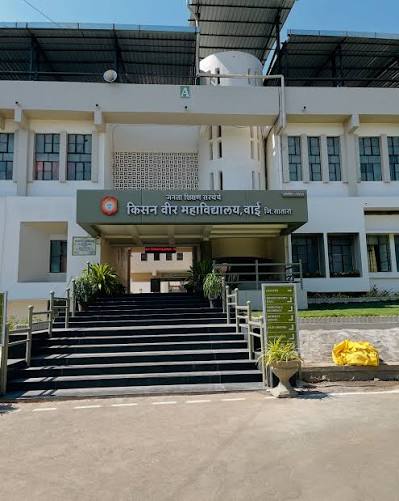
Kisan Veer Mahavidyalaya (Wai), run by Janata Shikshan Sanstha (JSS). was established in 1962 as an Arts and Commerce college and was later named after freedom fighter Abasaheb Veer. Today, it offers courses in Arts, Commerce, Science and Computer Applications, along with postgraduate programmes in Marathi, English, Commerce and Organic Chemistry. (Image: Instagram)
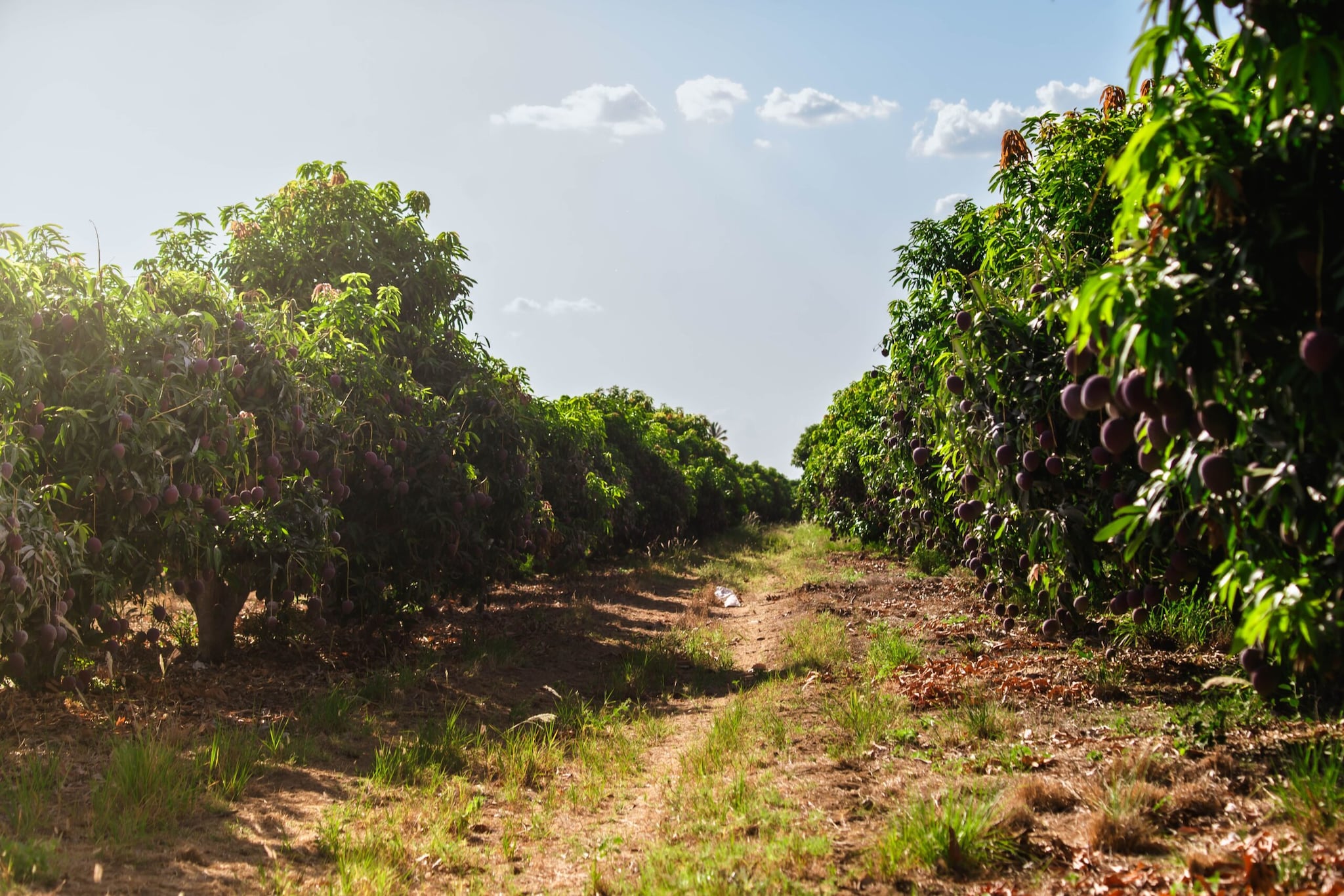
According to The Better India report, aroud 1990, Prof Dattaray Waghchavare, then the NSS project officer, envisioned transforming a spare patch of land into something meaningful. With support from the late Prataprao Bhosale, students planted mango saplings through voluntary labour. What began as a plantation has since grown into one of the colleges’ defining features. (Representative Image: Pexels)
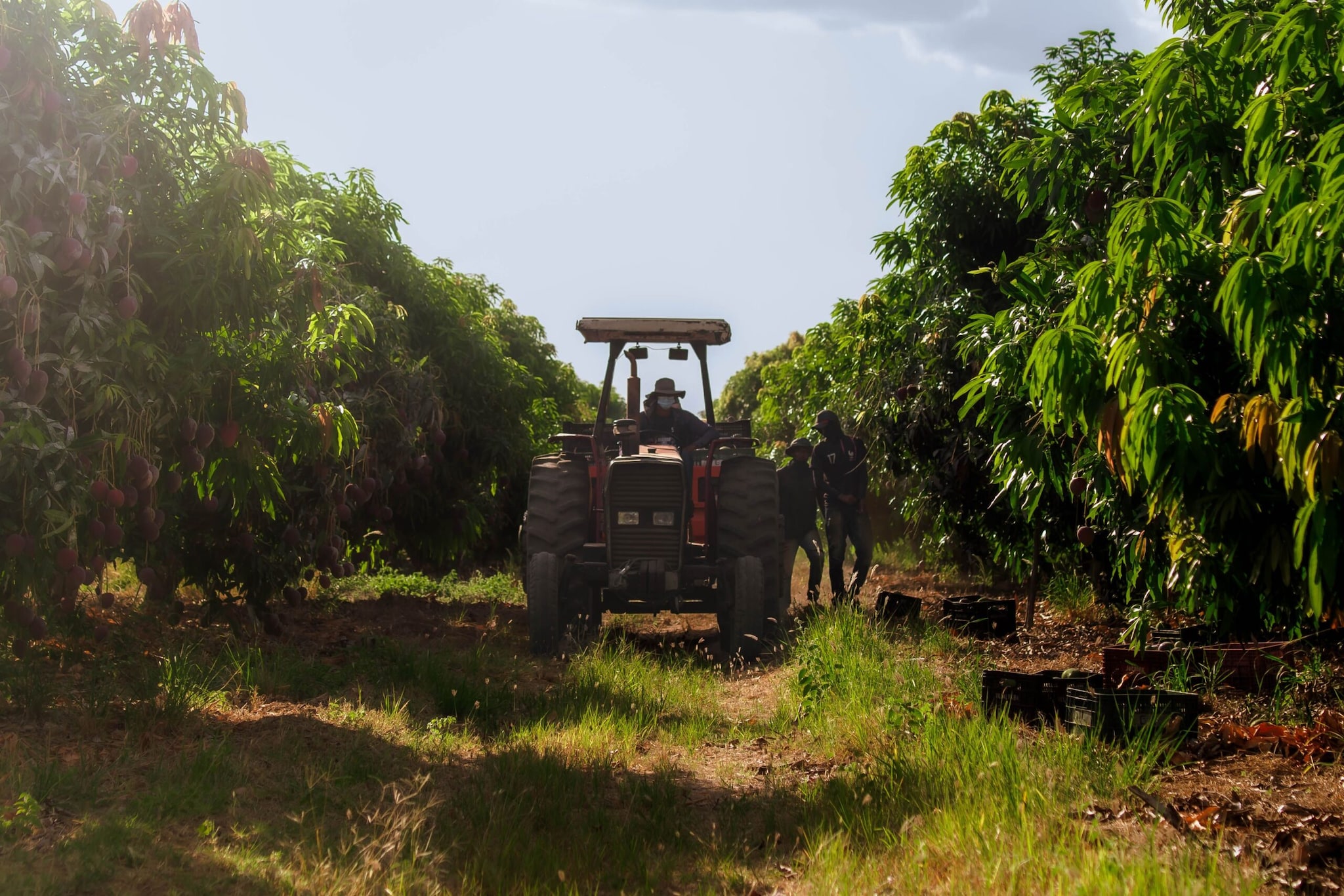
Since 2016-17, the institution reportedly extended support to students from bereaved farming families in Marathwada and Vidarbha, regions that are deeply affected by debt and crop failures. Without relying on government grants, the college provides free education through its own resources. Around 80 students have benefited from the initiative, completing their education without bearing the financial burden themselves. The orchard contributes towards scholarship, campus improvements and student’s welfare initiatives. (Representative Image: Pexels)
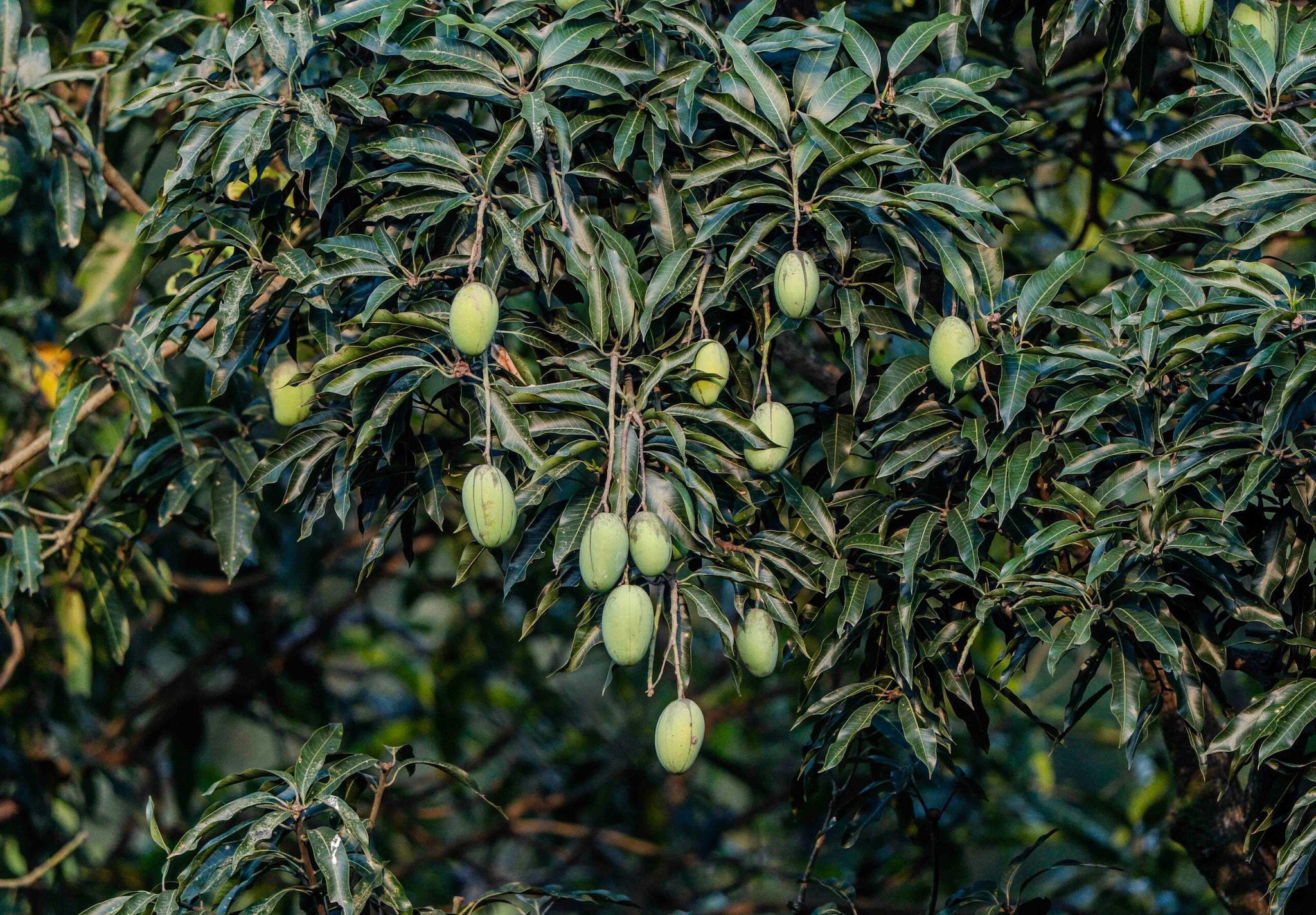
The orchard journey was not easy. In the initial years, there was no boundary walls and fruit were often lost to cattle and theft, and annual earnings rarely crossed Rs 25,000. Most of the produce was sold internally to staff members. However, the trees were cared for year after year by students, hostel staff and faculty members. (Representative Image: Pexels)
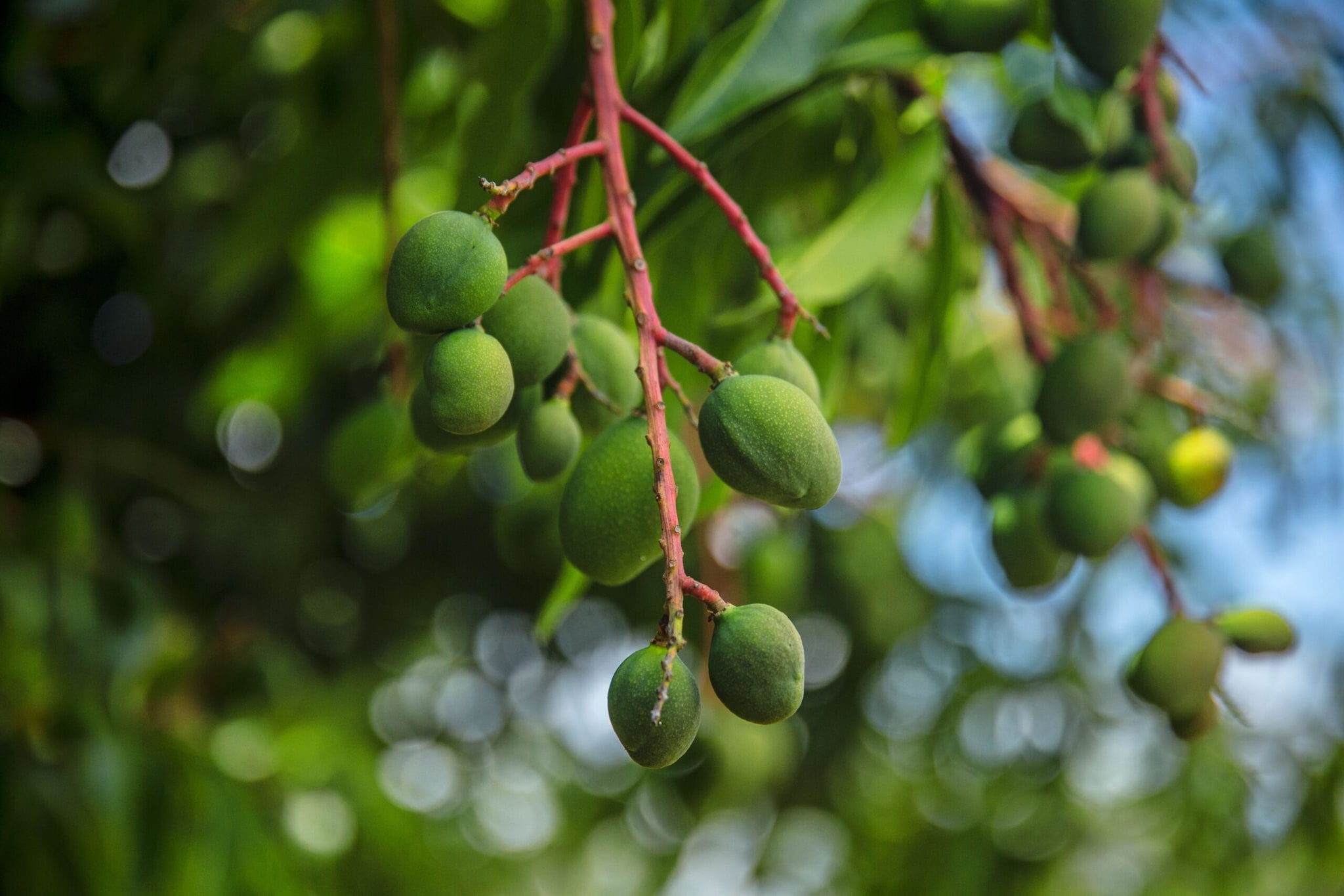
Today, the orchard has become more productive. This season alone, the orchard generated nearly Rs 1 lakh through the sale of mangoes, including around 450 dozen Hapur and 250 dozen Kesar, along with smaller quantities of Pairi, Lalbagh and local varieties. (Representative Image: Pexels)
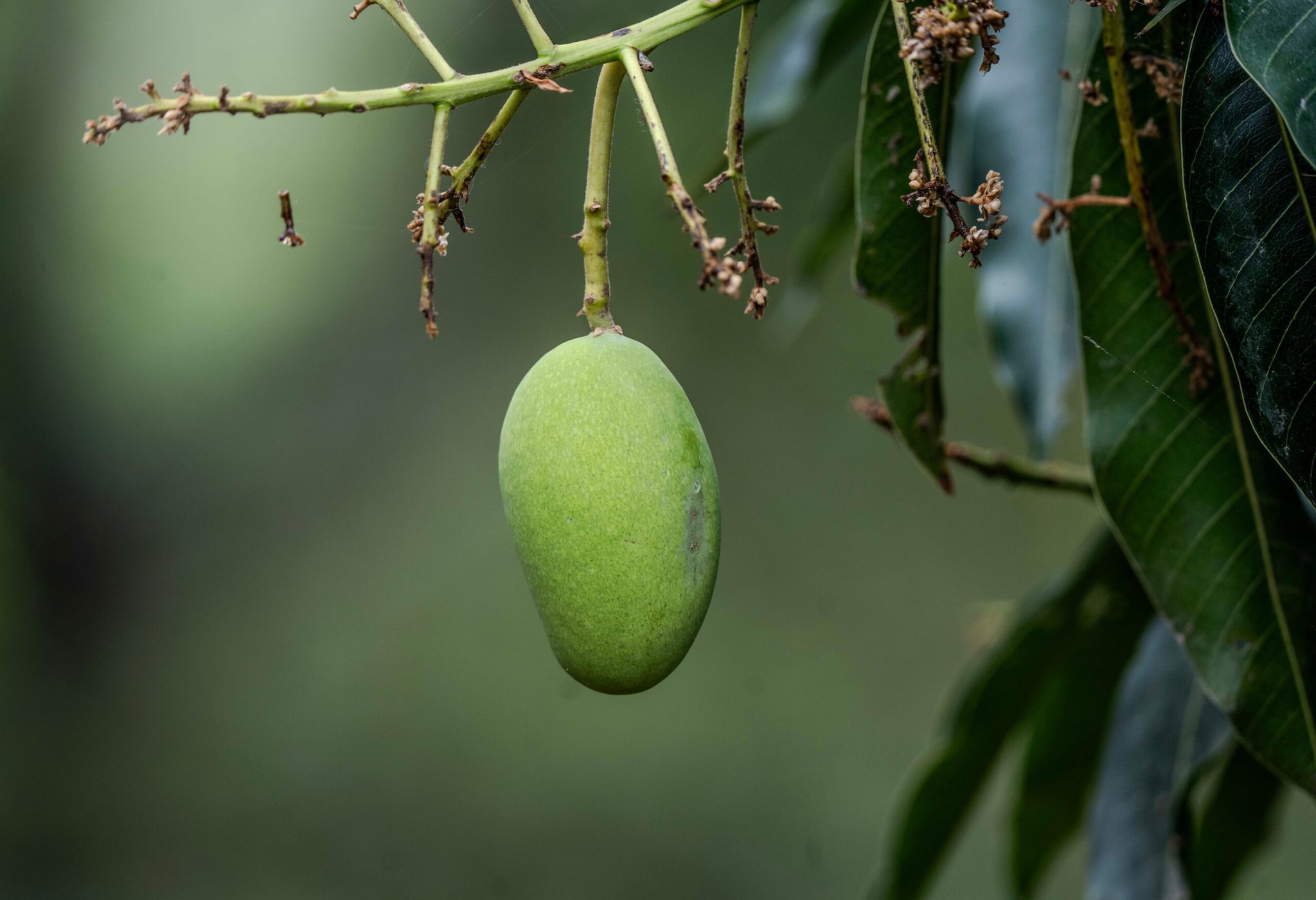
For many students, the orchard is also a place of learning. Those involved in its upkeep gain hands-on experience in grafting, composting, soil management and organic farming practices. They learn not only how to grow crops, but also how to manage resources, work collectively and turn agricultural produce into income. Hostel residents take responsibility for harvesting and selling the mangoes, giving them practical exposure to both farming and entrepreneurship. Students who come from agriculture background, these lessons often feel especially relevant. (Representative Image: Pexels)
