
4 min readNew DelhiSep 6, 2026 06:00 AM IST
Nutritionist and content creator Deepsikha Jain’s simple hack to boost your rice with more fibre and protein has us thinking. “If I were your nutritionist, here’s why I would ask you to add a cup of green peas to your rice,” she started off her latest Instagram video, adding that “just adding a cup to your rice will add 10 grams more fibre and 6 grams more protein, which will make you feel fuller and satiated”.
According to Jain, the meal can help you avoid a bigger sugar spike, balance your blood sugar—avoiding any post-meal dip or energy crash —and improve your gut health. Sounds like a win-win. Curious, we checked with a health expert to see whether this trick actually works.

Edwina Raj, Head of Services – Clinical Nutrition & Dietetics, Aster CMI Hospital, Bangalore, says adding peas to basic rice is a simple, practical nutrition trick that makes the meal more balanced because it provides both fibre and plant-based protein.
DISCLAIMER: This article is based on information from the public domain and/or the experts we spoke to. Always consult your health practitioner before starting any routine.
However, she believes the claim of adding exactly 10 g of fibre and 6 g of protein depends on how many peas you add, whether they are fresh or cooked, and the rice portion. So, Raj says that it is better to treat these numbers as an estimate rather than a fixed value.
According to her, rice is mainly a source of carbohydrates, while peas add fibre, protein and several vitamins and minerals, which can help make a simple rice meal more filling and nutritionally varied. On top of that, adding vegetables such as peas can increase the plate’s overall nutrient density without major changes to cooking habits.
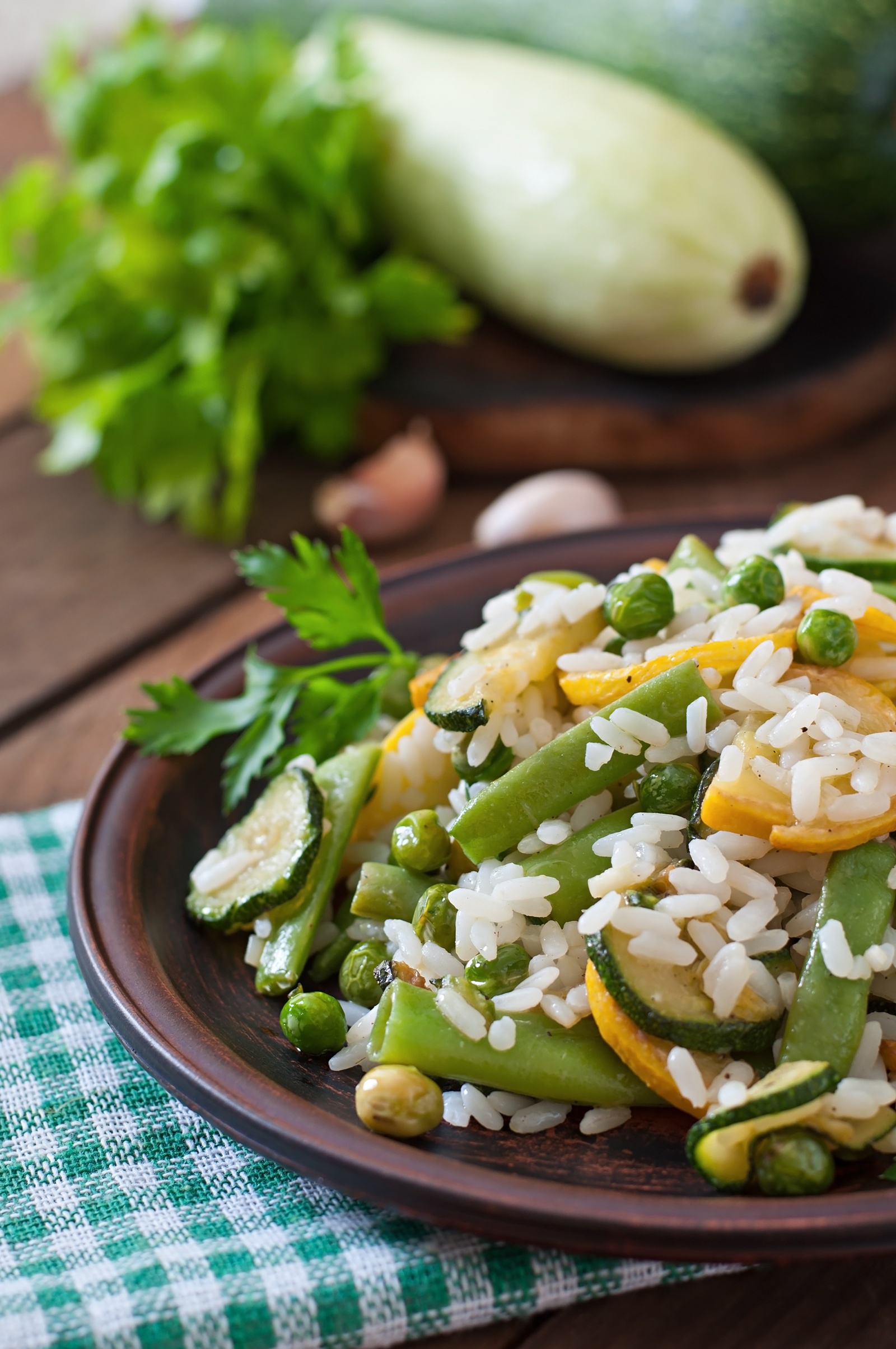 Peas are an excellent vegetarian source of protein. (Magnific)
Why peas, exactly?
Peas offer several health benefits because they contain dietary fibre, plant protein, folate, vitamin C, vitamin K, potassium, iron and antioxidant compounds.
Story continues below this ad
“They are a great source of fibre, which helps support healthy digestion, improve bowel movements and increase fullness after meals, while the protein can contribute to daily protein intake and help support muscle maintenance when consumed as part of an overall protein-rich diet,” explains Raj.
“Peas also provide folate, which is important for cell growth and normal red blood cell formation, while vitamin C supports normal immune function and helps the body absorb iron from plant foods, making peas a useful addition to a vegetarian diet,” she shares.
Raj also mentions that the fibre and protein combination can help “slow digestion and reduce the rapid rise in blood glucose” that can occur after eating a meal made mainly from refined carbohydrates. However, the effect will depend on the “total meal, portion size and the individual’s health”.
Mistakes to avoid
For a more nutritious rice meal, Raj says that while adding peas is a good everyday upgrade, it should not be viewed as a replacement for other protein sources. According to her, a better approach is to combine rice and peas with foods such as dal, rajma, chana, soy, tofu, paneer or curd, along with other vegetables. This will make sure that the meal provides a better balance of carbohydrates, protein, fibre, vitamins and minerals.
Story continues below this ad
“Also, people who experience bloating or gas after eating legumes would need to increase the quantity gradually and pay attention to their tolerance,” she warns. On a final note, Raj reiterates that frozen or fresh peas can both be convenient choices, as long as they are prepared without excessive butter, cream or salt.
DISCLAIMER: This article is based on information from the public domain and/or the experts we spoke to. Always consult your health practitioner before starting any routine.
