
Rajeev Khandelwal recently revealed that he started growing soursop at home after learning about its supposed anti-cancer benefits while his mother was battling the disease. “A lot of people won’t know what this is. This is soursop. Like ramphal, sitaphal…this is of the same category. This is grown in Goa. When my mother was going through cancer…it started with somebody telling me to boil soursop leaves and making her drink it. So, I used to get it. Then I thought, why not grow the fruit myself? My mother was alive then. The tree is still there, and the fruit is mindblowing,” he told Curly Tales in a conversation.
His mother, Vijay Laxmi Khandelwal, passed away in 2018 after battling ovarian cancer for a year and a half.

DISCLAIMER: This article is based on information from the public domain and/or the experts we spoke to. Always consult your health practitioner before starting any routine.
To verify if soursop leaves support cancer treatment, we reached out to oncologists.
There is growing interest in foods and plants that are believed to have medicinal properties, especially among families dealing with cancer. Dr Jeyhan B. Dhabhar, medical oncologist and cancer expert, Head and Neck Cancer Institute of India (HNCII), underlined why families seek options beyond conventional medicine during difficult times. “When someone close is battling cancer, people naturally look for hope in foods, herbs, or remedies discussed online. Soursop or graviola has become one such fruit because of claims linking it to cancer prevention or treatment. What is important to understand, however, is that ‘promising’ does not mean ‘proven.’ Certain compounds in soursop have shown anti-cancer activity in laboratory studies, but these are very early findings. So far, there is no strong clinical evidence in humans showing that soursop can cure cancer or replace standard treatment. No major oncology guideline currently recommends it as a cancer therapy,” said Dr Dhabhar.
Experts urge that at present, there is no scientific evidence from large human studies suggesting that soursop can replace chemotherapy, radiation, surgery, or any established cancer treatment. “Many online claims tend to exaggerate early research findings, which can create false hope for patients and caregivers during an emotionally vulnerable time,” Dr Anil Heroor, director, oncological sciences, KIMS Hospitals, Thane.
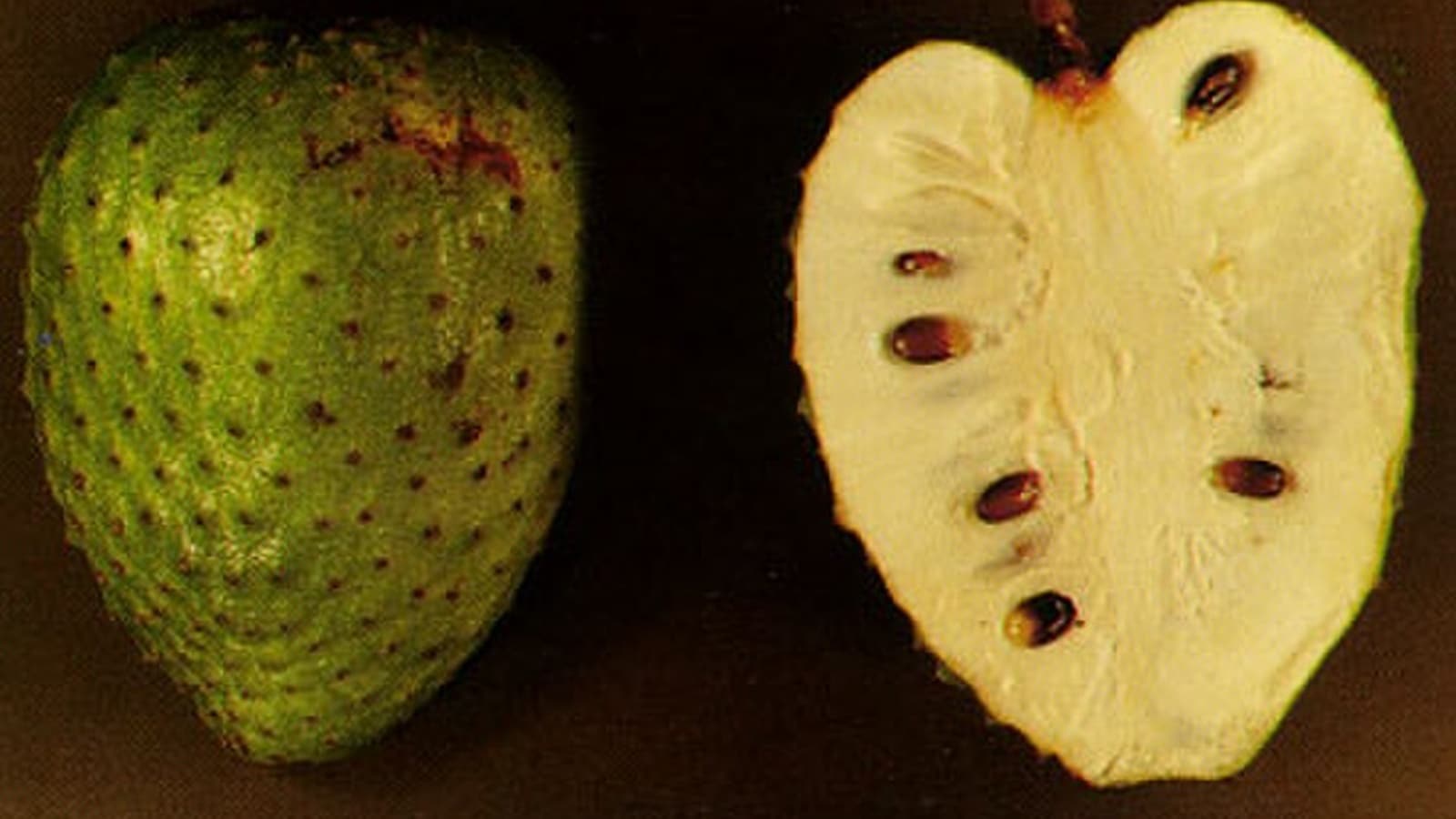 Here’s what you should know (Photo: Wikimedia Commons)
Can cancer patients safely include soursop in their diet?
As a fruit, soursop can be consumed in moderation like many other natural foods, “provided the patient has no specific dietary restrictions“. “But it should be viewed as part of a balanced diet and not as a medical therapy. Excessive consumption, especially in supplement or extract form, may also carry health risks, including possible effects on the nervous system that have been highlighted in some studies,” said Dr Heroor.
Story continues below this ad
What is the biggest concern doctors have about health claims?
The real concern is delay, pointed out Dr Heroor. “Some patients postpone proven treatment while exploring alternative remedies, and in cancer care, timing can significantly impact outcomes. Supportive nutrition, emotional well-being, and healthy lifestyle habits do play an important role during treatment, but they should complement modern oncology care, not substitute it,” Dr Heroor stressed.
Cancer treatment is highly individualised. “What works for one patient may not work for another, which is why treatment decisions should always be guided by evidence and medical supervision rather than social media trends or anecdotal experiences.”
Concurring, Dr Vivek Bande, surgical oncologist, TGH Onco-Life Cancer Centre, Talegaon Dabhade, stressed that patients shouldn’t depend only on soursop leaves or herbal remedies for cancer treatment. “Cancer is a serious disease that requires proper medical care, such as surgery, chemotherapy, radiation therapy, immunotherapy, or targeted treatment, depending on the type and stage of cancer. Delaying or avoiding proven medical treatment can make the disease more dangerous and reduce the chances of recovery. Some people may use soursop leaves as a supportive or complementary approach. However, self-medication is not recommended because herbal products can sometimes interact with cancer medicines or cause side effects such as nausea, low blood pressure, dizziness, liver problems, or nerve-related issues, which can worsen a patient’s condition and affect overall treatment outcomes. Patients should focus on medical treatment such as surgery and chemotherapy, which remain the most important and effective approach for cancer management,” said Dr Bande.
Patients and families should feel comfortable discussing any alternative therapies or supplements with their oncologist so that care remains safe, informed, and coordinated.
Story continues below this ad
“Modern cancer care is increasingly holistic. Nutrition, emotional support, physical activity, and mental well-being all play an important role. But these measures are meant to support evidence-based treatment — not replace it. Patients should always discuss any supplements or alternative remedies openly with their oncology team before trying them,” said Dr Dhabhar.
DISCLAIMER: This article is based on information from the public domain and/or the experts we spoke to. Always consult your health practitioner before starting any routine.
