
4 min readNew DelhiJun 19, 2026 06:00 AM IST
Many people are embarrassed to admit, let alone seek help, that they have piles. The hush culture and the taboo around it worsen the scenario. Rather than seeking medical advice, many people choose to suffer in silence, rely on home remedies, scour the internet for solutions, or self-medicate with over-the-counter drugs.
One such person took to Quora to know if piles can go away on their own. We decided to dig deeper and seek a medically backed answer to this. Turns out, the answer isn’t a simple yes or no. It depends on how severe the condition is and how early you address it.

“Piles (hemorrhoids) are most commonly caused by chronic constipation and straining during bowel movements, which increases pressure on rectal veins,” explains Dr Roy Patankar, Director, Gastrointestinal & Laparoscopic Surgeon, and Director Zen Multispeciality Hospital, Chembur, Mumbai.
He adds that factors like a low-fibre diet, prolonged sitting, obesity, and pregnancy can further worsen the condition.
DISCLAIMER: This article is based on information from the public domain and/or the experts we spoke to. Always consult your health practitioner before starting any routine.
Can piles improve on their own?
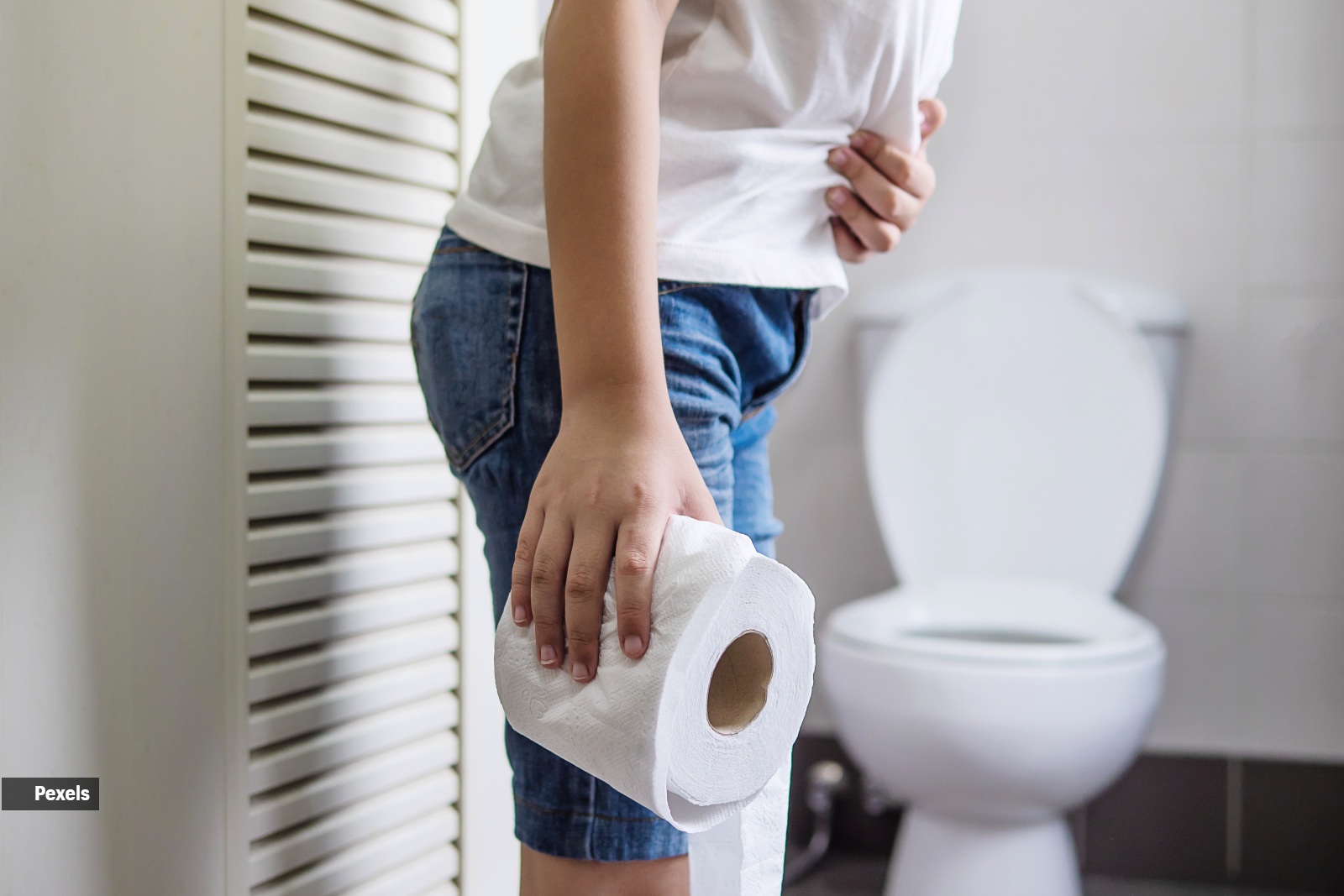 Not all blood in stool is piles. Red flags include alternating diarrhoea and constipation, mucus in stools, and a family history of colorectal cancer (Image: Pexels)
In early or mild cases, the condition can in fact settle without medical procedures.
“Mild piles can go away on their own with lifestyle changes like a high-fiber diet, good hydration, and avoiding straining,” says Dr Patankar, while clarifying that “persistent or severe cases” may need medical treatment.
Story continues below this ad
A high-fibre diet rich in fruits, vegetables, and whole grains, along with adequate water intake, helps soften stools and reduce strain. Regular physical activity and avoiding long hours of sitting can also prevent symptoms from worsening.
Many people also turn to home remedies for relief. “Warm sitz baths (sitting in warm water) and applying a cold compress, can help reduce pain and swelling temporarily,” confirms Dr Patankar.
“However, they do not treat the root cause, so it’s important to consult a doctor if symptoms persist,” he further clarifies.
When you shouldn’t ignore your piles
While diet and a healthy lifestyle are important for treating piles, they alone may not always be enough.
Story continues below this ad
“While diet changes like increasing fiber and fluid intake can improve mild piles by softening stools and reducing strain, more advanced cases may still require medical treatment along with dietary changes.”
Just as important is knowing when not to ignore symptoms. “Warning signs include increased pain, persistent bleeding during bowel movements, or a lump that doesn’t reduce, which may indicate worsening piles,” Dr Patankar explains.
He also cautions that not all symptoms should be assumed to be piles. “Select patients may need a colonoscopy to rule out cancer polyps or colitis.” Red flags like alternating diarrhoea and constipation, mucus in stools, or a family history of colorectal cancer need proper evaluation.
DISCLAIMER: This article is based on information from the public domain and/or the experts we spoke to. Always consult your health practitioner before starting any routine.
