
4 min readNew DelhiJul 3, 2026 06:00 AM IST
Summer heat can leave you feeling tired and dehydrated. But did you know that it can also take a toll on your kidneys? It significantly increases the risk of kidney problems, especially when people don’t hydrate properly.
Dr Udit Gupta, Consultant, Nephrology, Renal Sciences, ISIC Multispeciality Hospital, tells indianexpress.com that several studies have shown that kidney-related hospitalisations often rise during heat waves, particularly among vulnerable groups.

“Dehydration reduces blood flow to the kidneys, making it harder for them to filter waste products from the body,” he explains.
The kidneys need enough water to remove toxins and maintain the body’s fluid balance. When you’re dehydrated, they have to work harder, which can impair kidney function and, in severe cases, even lead to acute kidney injury. Dr Gupta adds that even mild dehydration over a prolonged period can place significant stress on kidney health.
DISCLAIMER: This article is based on information from the public domain and/or the experts we spoke to. Always consult your health practitioner before starting any routine.
Why are kidney stones more common in summer
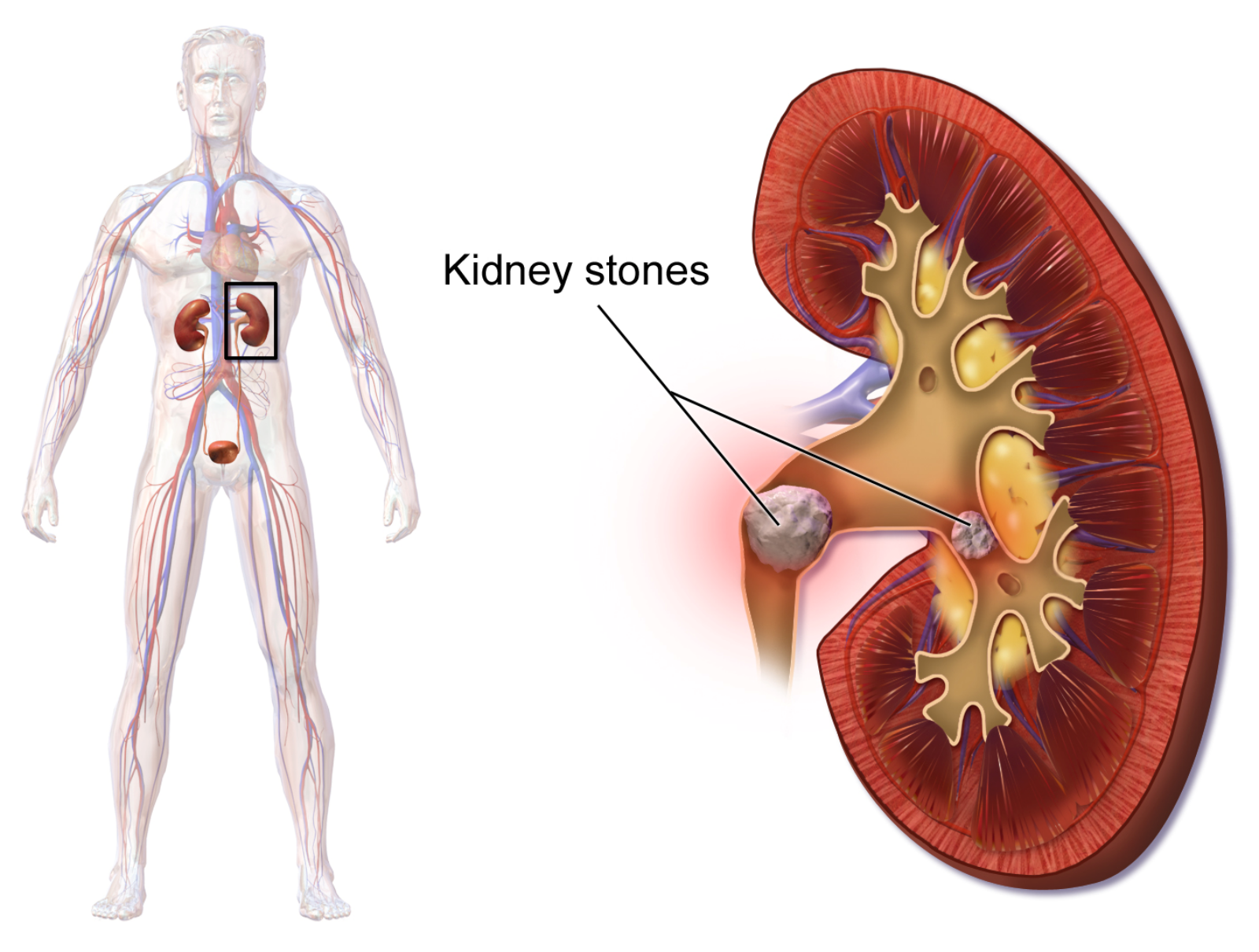 Research has consistently shown a rise in kidney stone cases during summer months (Image: Wikimedia Commons)
Hot weather is also linked to a rise in kidney stone cases. “Excessive sweating causes the body to lose water, resulting in more concentrated urine. When urine becomes concentrated, minerals such as calcium, oxalate, and uric acid are more likely to crystallize and form stones,” explains Dr Gupta.
Dehydration can also increase the risk of urinary tract infections, making it even more important to stay well hydrated during the hotter months.
Story continues below this ad
Warning signs you shouldn’t ignore
Heat-related kidney stress doesn’t always cause obvious symptoms at first. Early warning signs include excessive thirst, dark-coloured urine, passing less urine than usual, dizziness, fatigue, headaches, muscle cramps, nausea, persistent weakness, and swelling in the feet.
If kidney stones develop, symptoms may include severe pain in the back or side, burning while urinating, or blood in the urine. Dr Gupta advises seeking medical attention if you notice a sudden reduction in urine output or signs of severe dehydration.
Common summer habits that can harm your kidneys
 Kidney stress increases when you consume excessive sugary or caffeinated beverages, or energy drinks (Image: Freepik)
Not drinking enough water, spending long hours in the sun, exercising without replacing lost fluids, relying on sugary drinks or caffeinated beverages instead of water, and taking painkillers such as NSAIDs while dehydrated can all put extra stress on the kidneys.
“High-salt diets, energy drinks, and skipping meals during hot weather may also contribute to dehydration and increase the workload on the kidneys, especially in individuals with existing health conditions.”
Story continues below this ad
Who should be extra careful?
Older adults, outdoor workers, athletes, people with diabetes, those with high blood pressure, chronic kidney disease, or a history of kidney stones are more vulnerable during hot weather. Older adults may not always feel thirsty despite being dehydrated, while people with diabetes can lose more fluids because of blood sugar fluctuations.
As Dr Gupta suggests, to protect your kidneys, drink water regularly instead of waiting until you feel thirsty, include water-rich fruits and vegetables in your diet, limit alcohol, sugary drinks and excess salt, and avoid prolonged exposure to the afternoon sun. Checking your urine colour can also help, since pale yellow urine usually indicates good hydration. People with existing kidney disease should follow their doctor’s advice regarding fluid intake and medications.
DISCLAIMER: This article is based on information from the public domain and/or the experts we spoke to. Always consult your health practitioner before starting any routine.
