
4 min readNew DelhiJul 23, 2026 06:00 PM IST
India has had ‘walking epidurals’ for over a decade, but experts point out that they are yet to be used widely. Let’s understand their use and why experts suggest adoption is low.
Movement can really help during labour. Walking, standing, squatting, or simply changing positions can help gravity assist the baby’s descent and may lead to stronger, more effective contractions. Many women also feel more involved in the birthing process when they are not stuck in bed. “Staying mobile can boost comfort, lessen feelings of helplessness, and in some cases, may shorten labour and reduce the need for interventions,” said Dr Richa Bharadwaj, consultant gynaecologist and obstetrician, Wockhardt Hospitals, Mumbai Central.

DISCLAIMER: This article is based on information from the public domain and/or the experts we spoke to. Always consult your health practitioner before starting any routine.
Unlike a traditional epidural used to ease labour pain, which often causes numbness in the legs and keeps mothers confined to bed, a walking epidural uses a lower dose of anaesthetic combined with pain-relieving medicines. “This helps reduce labour pain while allowing women to move their legs, change positions, and in some cases, walk with assistance,” said Dr Anita Roy, consultant anesthesiologist, Motherhood Hospitals, Kharghar, Navi Mumbai.
According to Dr Roy, walking epidurals can make labour more comfortable by encouraging movement, which may help the baby descend naturally and improve the mother’s overall birth experience. “Women often report better control during labour, less discomfort, and greater satisfaction,” said Dr Roy.
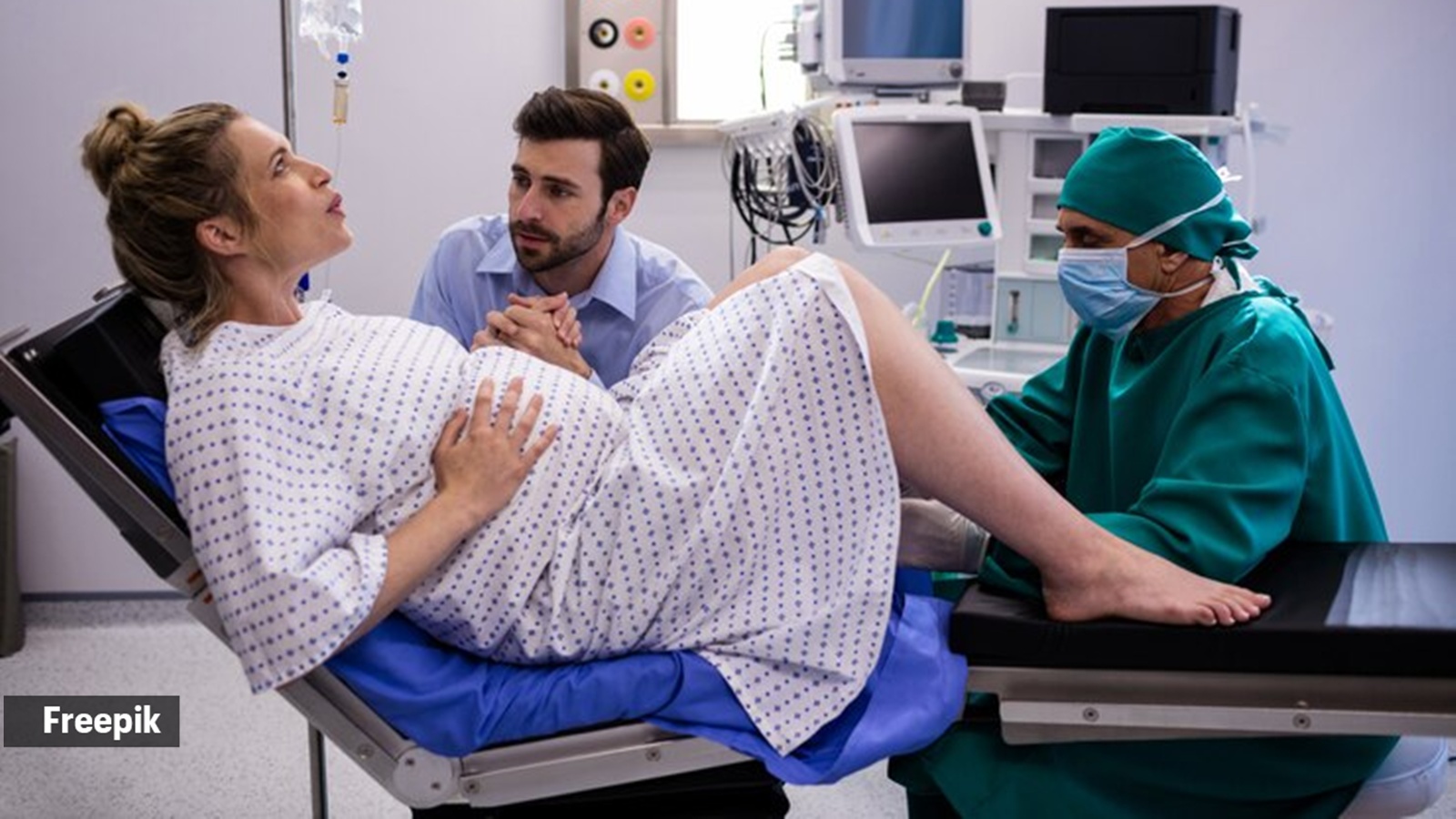 Can they help ease labour pain? (Photo: Freepik)
India has been offering walking epidurals for well over a decade, particularly after the introduction of newer pain-relief medicines that help women stay more comfortable while maintaining some movement during labour. However, the prevalence is “very low compared to Western countries…hardly 10-20 per cent”, said Dr Bharadwaj.
Can walking epidurals become common in India?
The idea is promising, but bringing it to many hospitals in India will need careful planning. Walking epidurals require experienced obstetricians, skilled anesthesiologists, continuous fetal monitoring, and trained nursing staff to keep both mother and baby safe. “Not every hospital has the resources or staff needed to support this type of monitoring,” said Dr Bharadwaj.
Story continues below this ad
Experts urge that the effectiveness of a walking epidural largely depends on the expertise of the anaesthesiologist, who carefully administers the drugs in the right combinations and dilutions to achieve optimal pain relief while preserving mobility. “Women with low-risk, uncomplicated pregnancies who request pain relief and have no contraindications to epidural anaesthesia are generally considered suitable candidates,” said Dr Roy.
Additionally, every labour is unique, and being mobile does not guarantee an easier delivery, contended Dr Bharadwaj.
Patient selection is just as crucial. “Women with high-risk pregnancies, certain medical conditions, or complications during labor may still need traditional pain management and closer monitoring,” remarked Dr Bharadwaj.
As more women look for personalised and evidence-based maternity care, the need for options that provide effective pain relief while allowing more movement will likely increase. “Larger, specialised hospitals in India may be the first to adopt these practices, provided they have the right expertise, safety systems, and trained teams in place. The goal should always be to offer safe, individualised care instead of applying a one-size-fits-all approach,” said Dr Bharadwaj.
Story continues below this ad
With growing awareness and improved maternity care, more hospitals across India may gradually introduce this option. “However, the choice of pain relief should always be individualised, ensuring the safety of both mother and baby remains the top priority,” said Dr Bharadwaj.
DISCLAIMER: This article is based on information from the public domain and/or the experts we spoke to. Always consult your health practitioner before starting any routine.