
3 min readNew DelhiMay 12, 2026 08:00 PM IST
Archana Puran Singh was recently seen pacing at home post-dinner. “Mummy abhi chal rahi hai room mein (Mom is now walking in the room),” apprised her son Aaryamann Sethi on his YouTube vlog.
Sharing her new routine, Singh said, “I have done this new thing. Eating dinner by 6-6.30 pm…and then you have to walk for 10 minutes after you eat.”

DISCLAIMER: This article is based on information from the public domain and/or the experts we spoke to. Always consult your health practitioner before starting any routine.
Taking a cue from the actor’s candid admission, we asked an expert how walking post-meals, especially dinner, helps.
Dr Amit Saraf, director of internal medicine at Jupiter Hospital, Thane, said eating earlier in the evening better aligns with the body’s natural clock. “Our metabolism works more actively during the day and slows down at night. Finishing dinner by 6 to 6:30 pm gives the body enough time to digest food before sleep. This can lead to better blood sugar control, reduce acid reflux, and may even help with weight management over time. However, sticking to a consistent eating schedule matters more than the exact time. Keeping a regular routine truly benefits metabolic health,” said Dr Saraf.
Is a short walk after dinner, like for 10 minutes, actually helpful?
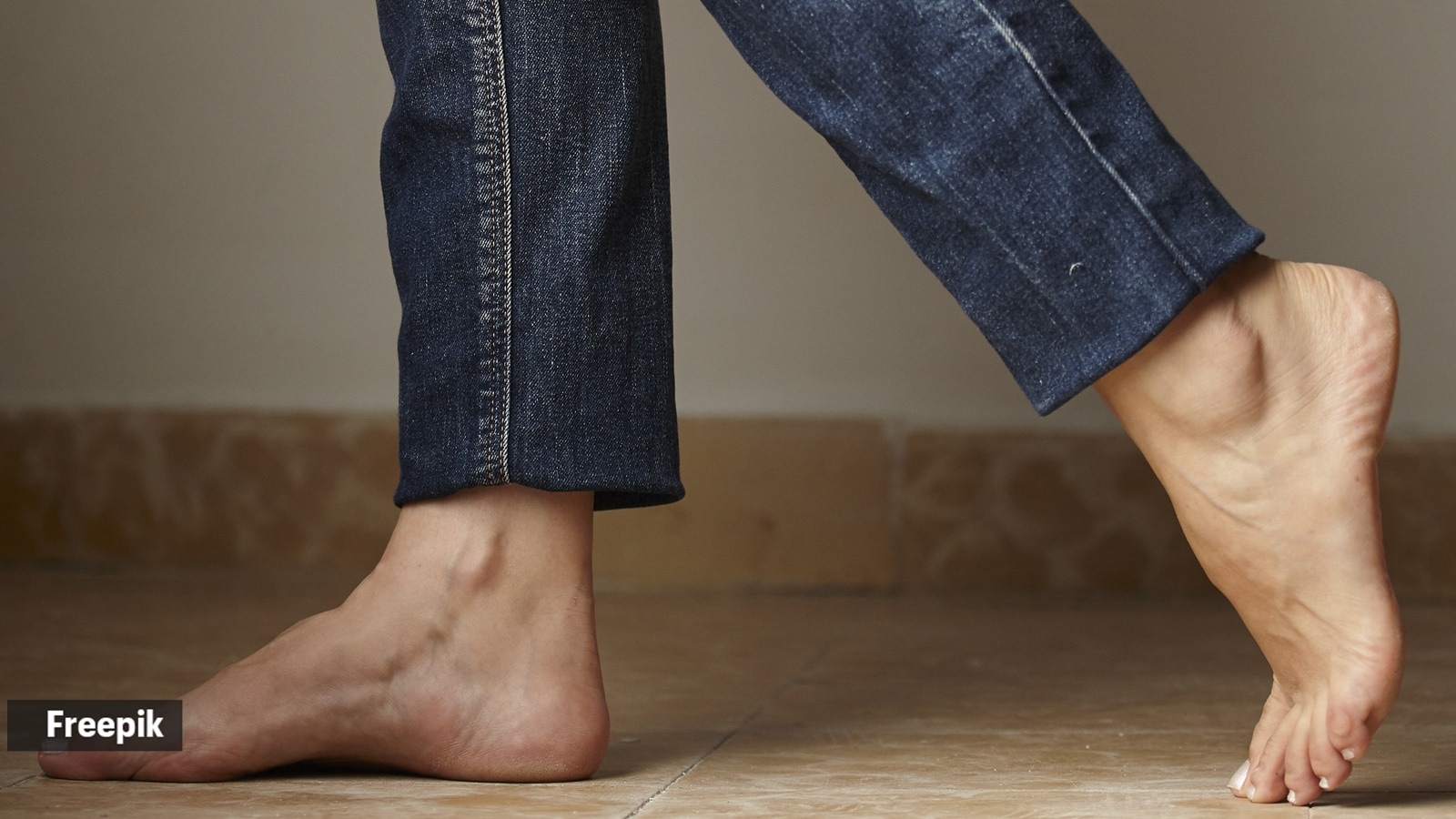 It’s good to walk (Photo: Freepik)
Yes, even a short post-meal walk can be quite effective, affirmed Dr Saraf. “A 10-minute walk helps digestion and prevents that sluggish feeling after eating. More importantly, it can lower post-meal blood sugar spikes by helping muscles use glucose more efficiently. This is especially useful for people with diabetes or those at risk. It doesn’t have to be intense; just light, steady movement can make a difference,” said Dr Saraf.
Can these small habits really impact long-term health?
On their own, they may seem small, but they add up over time. “Early dinners and light activity after meals lead to better sleep, improved digestion, and metabolic balance. These habits also encourage mindful eating and portion control, which are important for preventing health issues like obesity, diabetes, and high blood pressure,” said Dr Saraf.
Story continues below this ad
The approach should be practical and fit one’s lifestyle. For those who work late or have irregular schedules, forcing an early dinner may not always work. In these cases, keeping meals light and avoiding lying down right after eating becomes more important. Additionally, people with specific medical conditions should adapt these habits based on their doctor’s advice. The goal isn’t perfection, but making sustainable changes. Small, consistent adjustments usually yield the best results, said Dr Saraf.
DISCLAIMER: This article is based on information from the public domain and/or the experts we spoke to. Always consult your health practitioner before starting any routine.
