
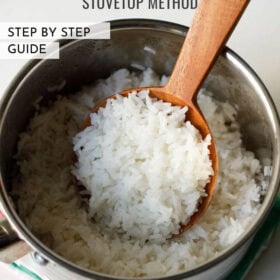
Jasmine Rice is a fragrant long-grain rice from Thailand known for its subtle aroma, soft texture and tender grains when cooked. It is often served with Thai curries, stir-fries and other Southeast Asian dishes. When cooked correctly, the grains remain tender and separate while still having a softness. This easy stovetop method gives perfectly cooked jasmine rice every time with just rice, water and optional salt.
About Jasmine Rice
Jasmine rice is a long-grain rice variety mainly grown in Thailand. It is valued for its delicate aroma, soft texture and mildly sweet flavor.
Unlike Basmati Rice, jasmine rice cooks up softer and more tender. The grains remain separate but are not as dry or fluffy as basmati.
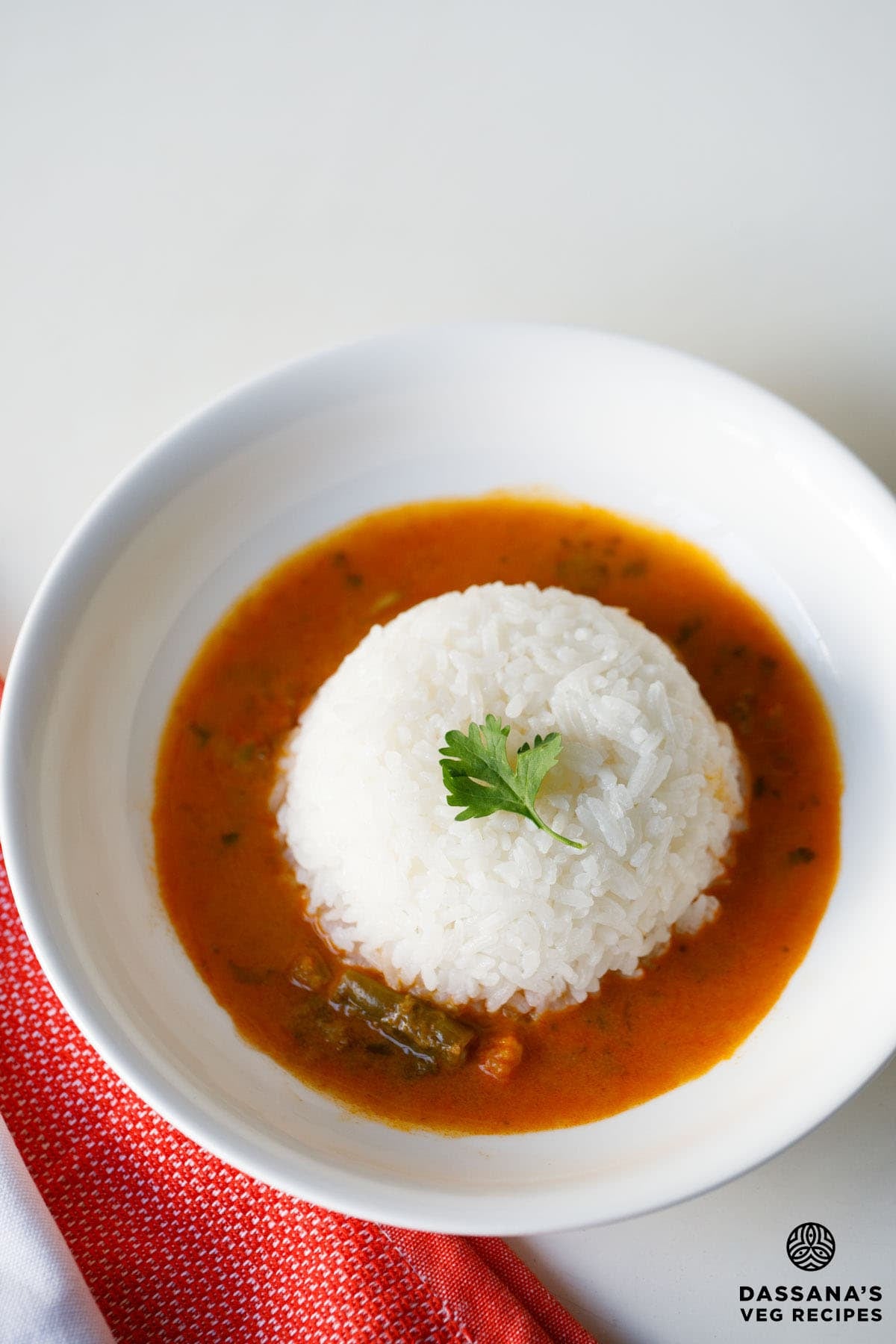
This rice is commonly served with various Thai curries, stir-fries, grilled vegetables and other Southeast Asian dishes.
A simple rinse before cooking removes excess surface starch and helps keep the grains from becoming overly sticky.
Some people prefer soaking jasmine rice briefly before cooking. While optional, soaking can help the grains cook more evenly.
The rice absorbs water quickly and does not require a long cooking time. A gentle simmer is all that is needed.
Allowing the cooked rice to rest after cooking is one of the most important steps. This resting period finishes the steaming process and improves the texture.
I cook jasmine rice whenever I make Thai curries at home. It is one of my favorite rice varieties, and I also use it occasionally for making Vegetable Fried Rice.
This recipe uses the stovetop method and is suitable for both beginners and experienced cooks.
Jasmine Rice Water Ratio
The ideal water ratio can vary depending on the brand of jasmine rice and your preferred texture.
For soft, fluffy and well-cooked jasmine rice that pairs well with Thai curries and stir-fries, I use 1½ cups water for every 1 cup jasmine rice. This gives tender grains that are fully cooked without becoming mushy.
Some recipes use 1¼ cups water per cup of rice. In my testing, I found that the rice needed a little more water to cook through properly.
Different brands of jasmine rice can absorb water differently. If needed, you can adjust the water slightly after trying the recipe once.
For everyday meals and serving with curries, I recommend using the 1½ cups water ratio shared in this recipe.
More Rice Recipes To Try
How To Cook Jasmine Rice (Step-By-Step)
Rinse The Rice
1. Place 1 cup (190 grams) jasmine rice in a bowl. Add water as needed.
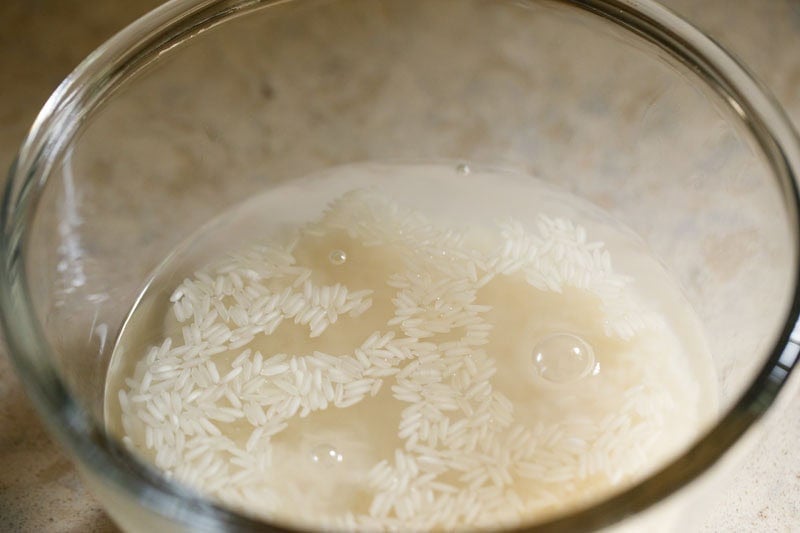
2. Rinse the rice with water 3 to 4 times, gently swirling the grains with your fingers. Drain the water after each rinse.
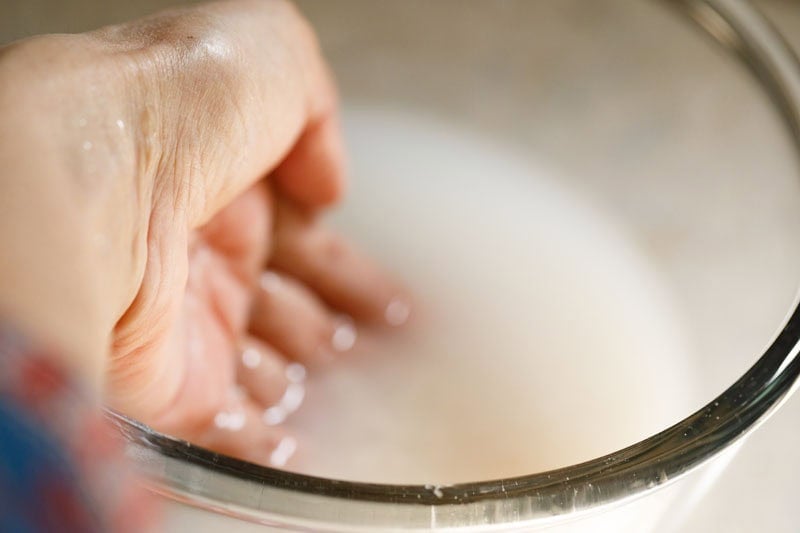
3. The water when you begin to rinse will be very cloudy.
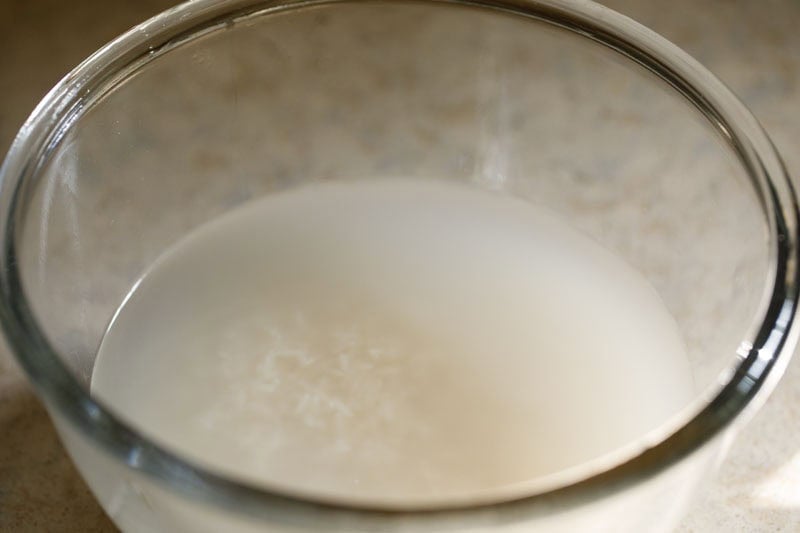
4. Continue rinsing for 3 to 4 times or until the water looks less cloudy. This removes excess starch and helps keep the cooked grains light and separate.
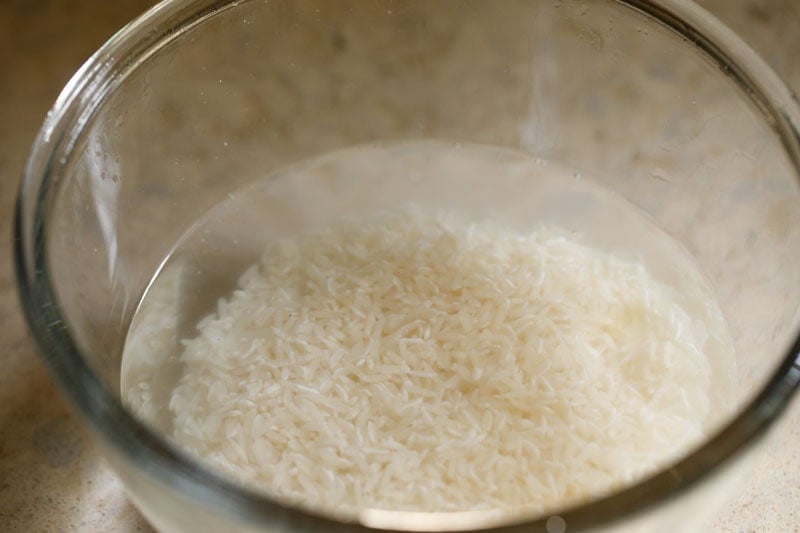
5. Using a mesh strainer, drain the rice thoroughly before cooking.
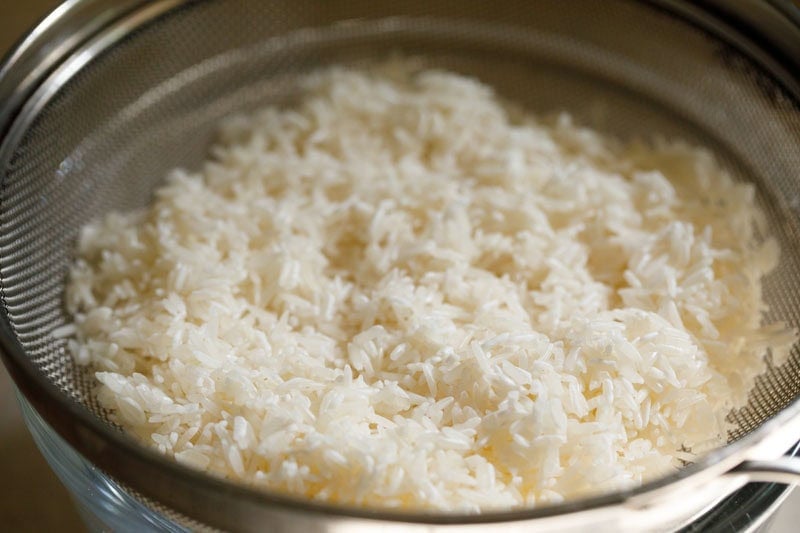
Cook Jasmine Rice
6. Add the rinsed rice to a saucepan. Add ¼ teaspoon salt.
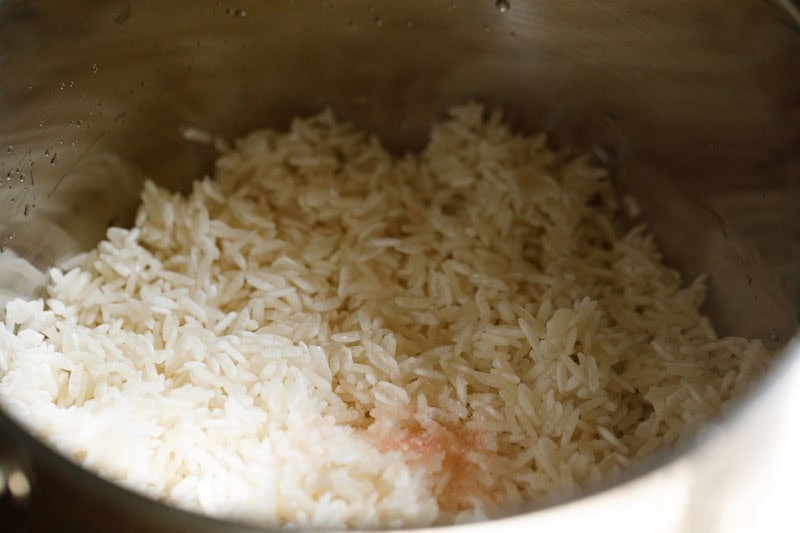
7. Pour in 1½ cups water.
Note: Use 1¼ cups water if you prefer the rice a little firmer.
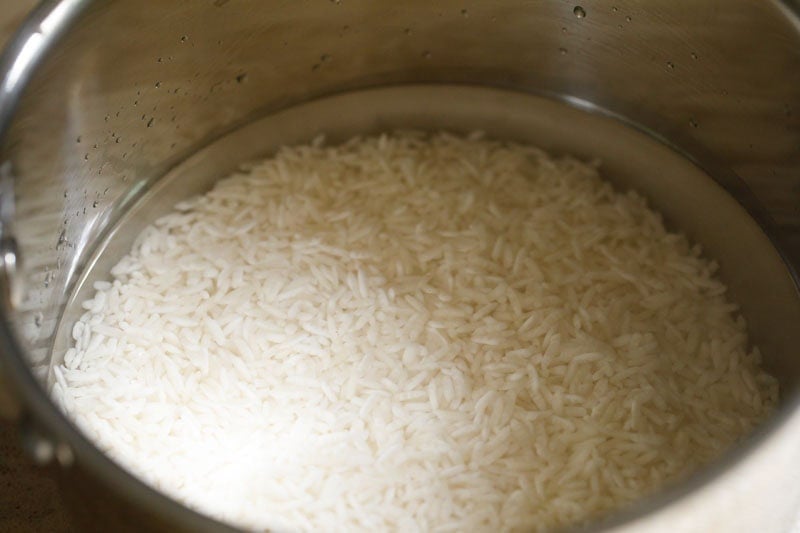
8. Place the pan on medium heat and bring the water to a gentle boil.
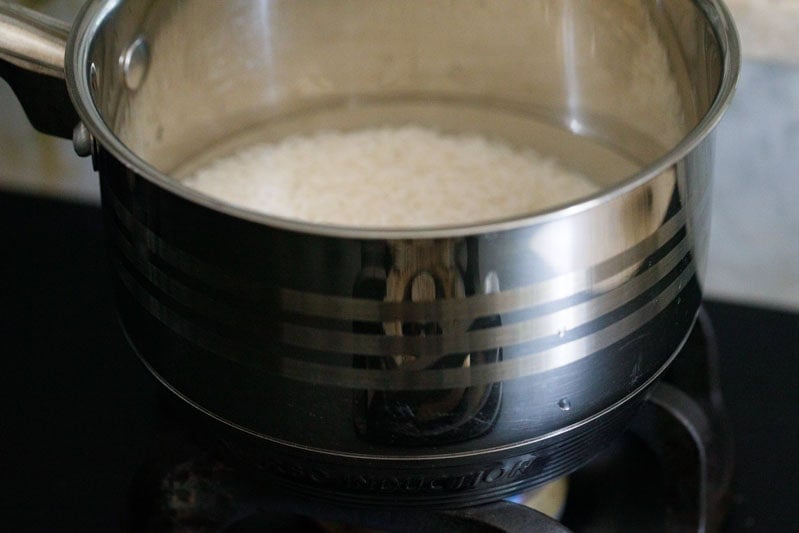
9. Once the water begins to boil, reduce the heat to low.
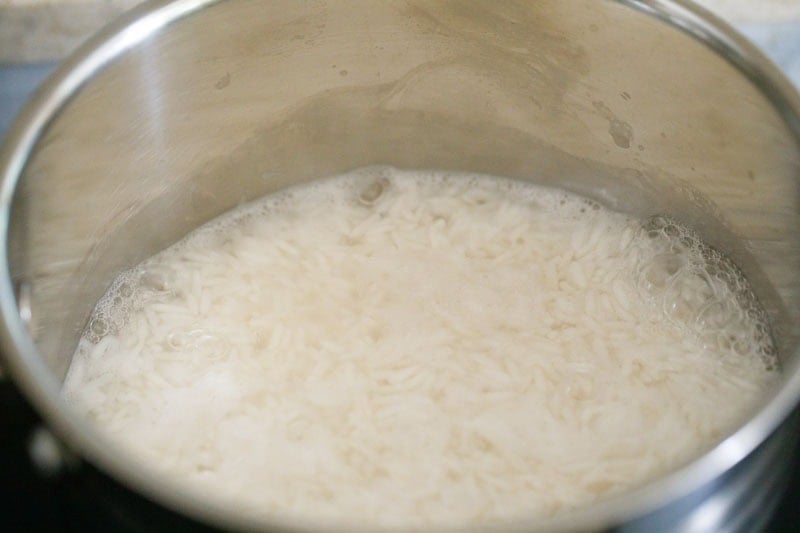
10. Cover the pan with a tight-fitting lid. Use a lid that fits well to prevent excess steam from escaping while the rice cooks.
Cook for 10 to 12 minutes. I usually cook it for 12 minutes.
By the end of the cooking time, the water should be absorbed and the rice should look cooked through.
Note: Avoid lifting the lid frequently as the trapped steam is important for proper cooking.
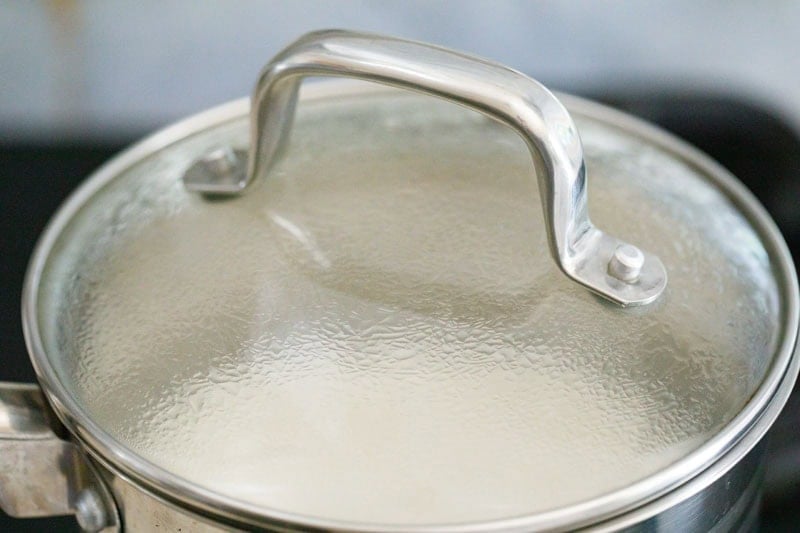
Rest & Later Fluff Rice
11. Turn off the heat. Keep the pan covered and let the rice rest for 10 minutes.
Do not skip this step. The resting period allows the remaining steam to finish cooking the rice and helps improve the texture.
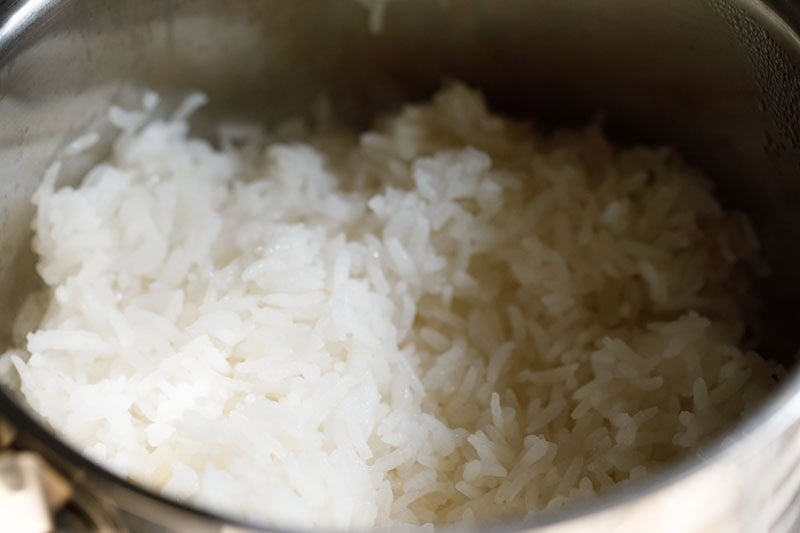
12. Remove the lid. Gently fluff the rice with a fork.
Avoid vigorous stirring as it can break the grains and make the rice sticky.
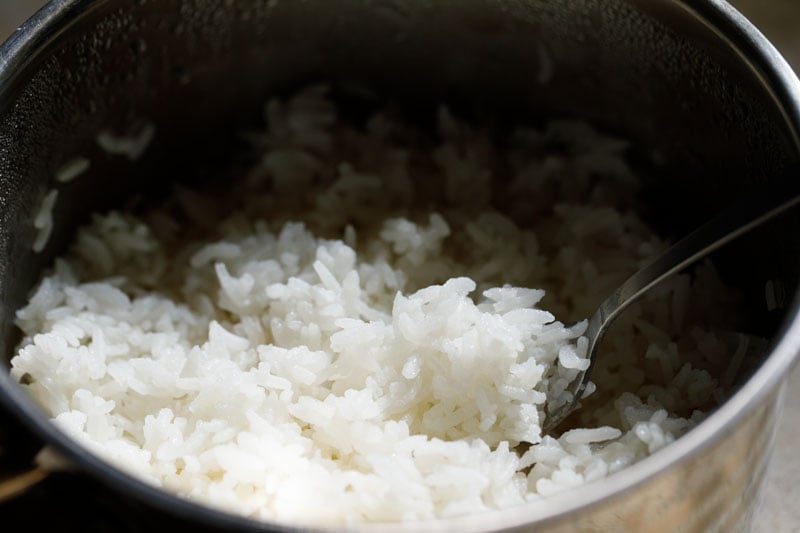
13. Serve hot with Thai curries, stir-fries or your favorite side dishes.
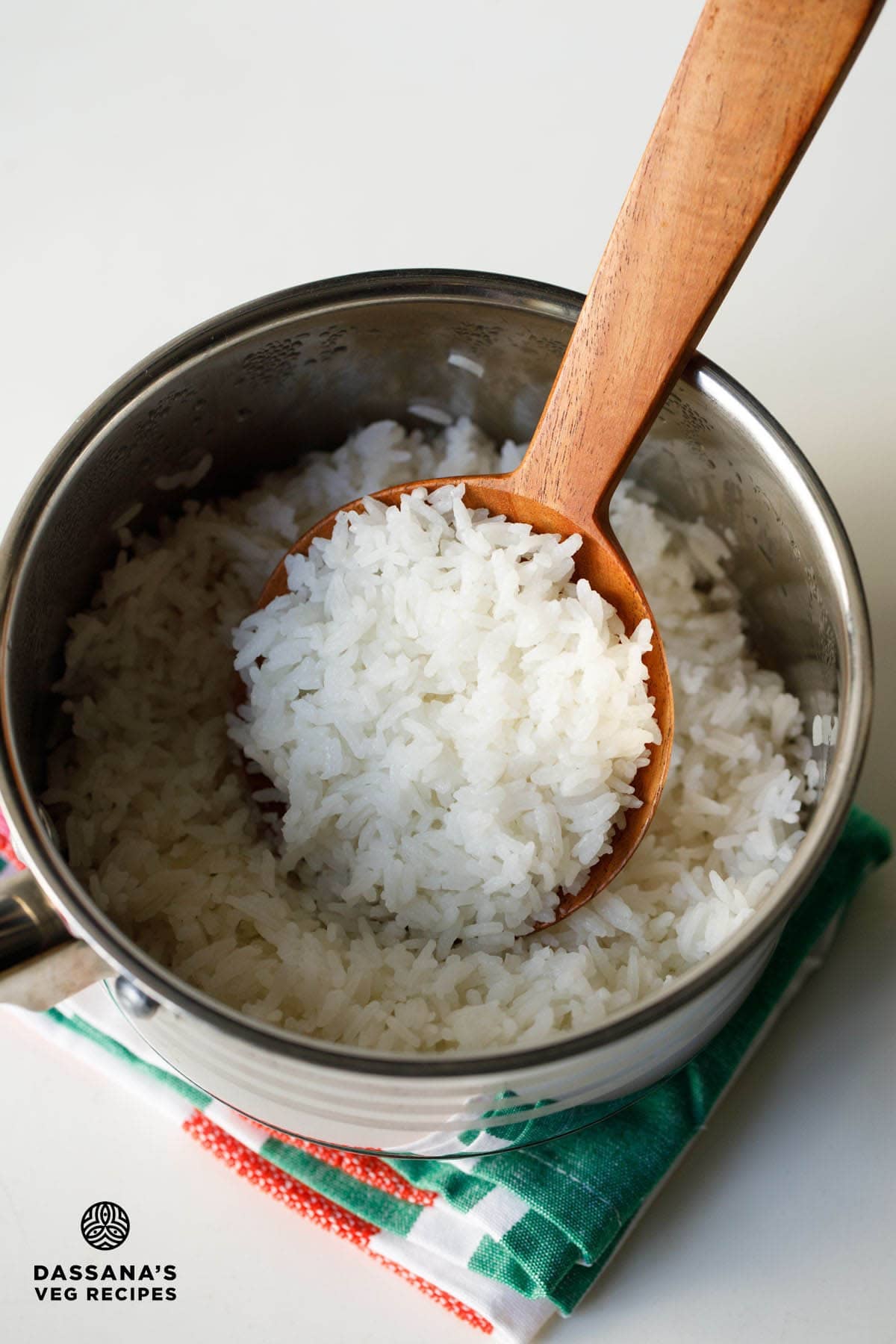
Serving Suggestions
Serve the perfectly cooked jasmine rice with Thai Green Curry, Thai Red Curry, Thai Yellow Curry, Massaman Curry or Panang Curry.
It also pairs well with vegetable stir-fries, tofu dishes, Thai basil vegetables and Asian-inspired curries.
You can use leftover jasmine rice to make fried rice the next day.
For a simple meal, serve it with sautéed vegetables and a flavorful curry or gravy. I also pair it with my Thai Pumpkin Curry.
Storage
Allow the rice to cool completely before storing. Refrigerate in an airtight container for up to 1 day.
Reheat in a pan or microwave with a splash of water to restore moisture. Leftover rice can be used for fried rice, rice bowls or quick stir-fried meals.
Dassana’s Recipe Tips
- Rinse Well: Rinse the rice 4 to 5 times with water, gently swirling the grains with your fingers. This removes excess surface starch, which helps prevent gummy or overly sticky rice and keeps the cooked grains light and separate.
- Optional Soaking: After rinsing, you can opt to soak the rice in fresh water for 10 to 15 minutes. Drain all the water completely before cooking. While this step is optional, it can help the grains cook more evenly and improve the final texture.
- Use the Correct Water Ratio: For soft, fluffy and well-cooked jasmine rice, use 1½ cups water for every 1 cup jasmine rice. In my testing, this ratio gave tender grains that were fully cooked without becoming mushy.
- Do Not Cook Beyond the Required Time: Once the rice has absorbed the water and is tender, turn off the heat. Continuing to cook the rice over direct heat can make it overly soft and cause the grains to clump together.
- Keep the Lid Closed: Once the rice comes to a boil and is covered, avoid lifting the lid frequently. The trapped steam plays an important role in cooking the rice evenly and helps achieve the right texture.
- Rest After Cooking: After turning off the heat, let the rice rest covered for about 10 minutes. During this time, the remaining steam gently settles and finishes the rice, helping the grains become fluffier and more evenly cooked.
- Fluff Gently: Use a fork to gently fluff the rice after resting. Avoid vigorous stirring, as it can break the delicate grains and make the rice sticky.
Cooking Queries
1. Can You Use Jasmine Rice for Fried Rice?
Yes. Jasmine rice works well for making fried rice because of its light fragrance and soft texture. For the best results, use cooked rice that has been cooled and refrigerated for a few hours or overnight.
Freshly cooked jasmine rice can be too soft for fried rice. Chilled rice firms up and separates more easily, making it ideal for stir-frying. I occasionally cook jasmine rice specifically to make fried rice.
2. Do You Need to Soak Jasmine Rice?
Soaking jasmine rice is optional and not essential for this recipe.
A brief soak of 10 to 15 minutes can help the grains cook more evenly and may slightly improve the texture. If you are short on time, you can skip soaking and cook the rice directly after rinsing.
Whether soaked or unsoaked, be sure to rinse the rice well before cooking to remove excess starch.
3. How Do You Prevent Jasmine Rice from Becoming Sticky?
First, rinse the rice thoroughly 3 to 4 times before cooking. This removes excess surface starch that can make the grains clump together.
Using the correct amount of water is equally important. Too much water can make the rice soft and sticky.
After cooking, let the jasmine rice rest covered for about 10 minutes and then gently fluff it with a fork. This helps keep the grains light and separate.
Rinse the rice several times until the water becomes less cloudy. Drain well.
If preferred, soak the rice briefly, then drain completely.
Combine the rice, water and optional salt in a saucepan and bring to a gentle boil over medium heat.
Once boiling, reduce the heat to low, cover tightly and cook for 10 to 12 minutes or until the water is absorbed and the rice is tender.
Turn off the heat and let the rice rest, covered, for about 10 minutes. This resting period helps the rice grains become fluffier and improves the overall texture of the rice.
Remove the lid and gently fluff the rice with a fork before serving.
Serve jasmine rice with Thai curries, Asian-style curries, vegetable stir-fries and tofu dishes. You can also use leftover jasmine rice to make fried rice.
- Rinse Well: Rinse the rice 3 to 4 times until the water becomes less cloudy. This removes excess starch and helps keep the cooked grains light, fluffy and separate.
- Keep Pan Covered: Use a tight-fitting lid and avoid opening it frequently while the rice cooks. Trapped steam helps the rice cook evenly and improves the final texture.
- Rest Before Fluffing: After cooking, let the rice rest covered for about 10 minutes. This resting period allows the moisture to distribute evenly and improves the texture of the rice.
- Fluff Gently: Use a fork to gently fluff the rice before serving. Avoid vigorous stirring, as it can break the grains and make the rice sticky. Water
- Ratio: For soft, fluffy and fully cooked jasmine rice, use 1½ cups water for every 1 cup rice, as shared in this recipe. If you prefer slightly firmer rice, you can reduce the water to 1¼ cups.
- Adjust as Needed: Different brands of jasmine rice can absorb water differently. After trying the recipe once, you can adjust the water slightly to suit your preferred texture.
- For Fried Rice: Leftover jasmine rice that has been cooled and refrigerated works best for fried rice. Chilling helps the grains firm up and separate more easily.
- Scaling: This recipe can be easily doubled or halved. Simply maintain the same rice-to-water ratio and use a pan large enough to accommodate the rice as it cooks.
Calories: 225kcal | Carbohydrates: 49g | Protein: 4g | Fat: 0.4g | Saturated Fat: 0.1g | Polyunsaturated Fat: 0.1g | Monounsaturated Fat: 0.1g | Sodium: 203mg | Potassium: 71mg | Fiber: 1g | Sugar: 0.1g | Vitamin B1 (Thiamine): 0.04mg | Vitamin B2 (Riboflavin): 0.03mg | Vitamin B3 (Niacin): 1mg | Vitamin B6: 0.1mg | Vitamin E: 0.1mg | Vitamin K: 0.1µg | Calcium: 21mg | Vitamin B9 (Folate): 5µg | Iron: 0.5mg | Magnesium: 17mg | Phosphorus: 71mg | Zinc: 1mg
