
5 min readNew DelhiAug 1, 2026 06:00 PM IST
Stroke is often thought of as a sudden, unpredictable medical emergency. But in reality, many strokes can be prevented by addressing everyday health habits and managing common risk factors before they become serious.
Recently, Michigan-based neurosurgeon Dr Jay Jagannathan shared six practical ways to reduce stroke risk on Instagram, ranging from monitoring blood pressure to eating more plant-based foods. While the advice sounds straightforward, how much difference can these habits actually make?

According to Dr Pankaj Agarwal, Director of Neurology, Stroke and Neurocritical Care at Gleneagles Hospital, Parel, Mumbai, each recommendation targets one or more major risk factors for stroke.
DISCLAIMER: This article is based on information from the public domain and/or the experts we spoke to. Always consult your health practitioner before starting any routine.
1. Monitor your blood pressure regularly
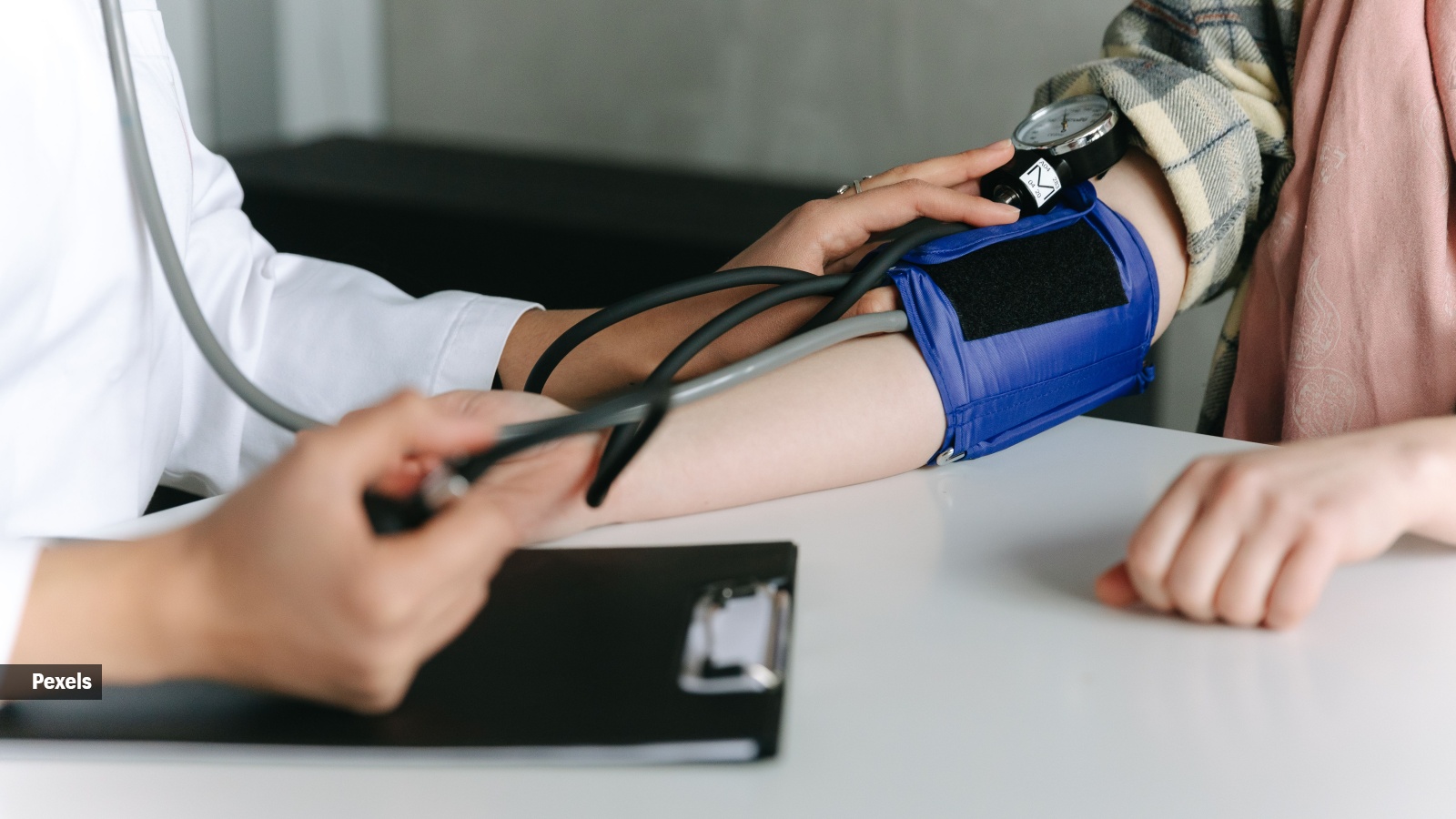 Keeping track of one’s BP helps find the issues beforehand hence the stroke can be prevented (Image: Pexels)
High blood pressure is one of the biggest contributors to stroke because it gradually damages and weakens blood vessels in the brain, like the post suggests.
“High blood pressure is the number one reason for stroke because it damages and weakens brain blood vessels gradually. Keeping track of one’s BP helps find the issues beforehand hence the stroke can be prevented, not to mention the change of the lifestyle and the treatment,” Dr Agarwal explains.
Regular monitoring allows doctors to identify rising blood pressure early so that lifestyle changes or medication can help lower the risk before complications develop.
Story continues below this ad
2. Stay physically active
The World Health Organization recommends at least 150 minutes of moderate-intensity physical activity every week, which can include brisk walking.
According to Dr Agarwal, regular exercise helps control several stroke risk factors simultaneously.
“Doing physical activity helps in controlling blood pressure, blood sugar and cholesterol, weight, all of the above being stroke risk factors. Moreover, you will keep your heart and vessels healthy and your blood will circulate better through the body.”
3. Quit smoking—and avoid second-hand smoke too
 Smoking leads to blood vessels injury, promotes blood clot formation and elevation of blood pressure (Image: Freepik)
Smoking is a well-established risk factor for stroke, but passive smoking isn’t harmless either.
Story continues below this ad
“Smoking leads to blood vessels injury, promotes blood clot formation and elevation of blood pressure which are all factors that will definitely result in stroke. Second-hand smoke also endangers the vascular system; thus the act of avoiding inhaling smoke through breathing of it by others is just as important.”
Quitting smoking at any stage can significantly reduce the risk of stroke over time.
4. Keep cholesterol and blood sugar under control
Unchecked cholesterol and diabetes can silently damage blood vessels for years before symptoms appear.
“A high level of cholesterol can lead to the deposition of fat which in turn may narrow or completely block the brain-feeding vessels. Untreated diabetes causes the damage of blood vessels and enhances one’s chances of stroke and heart issues, therefore monitoring them will enable better control.”
Story continues below this ad
Routine health check-ups can help detect these conditions early and ensure they are managed effectively.
5. Don’t ignore an irregular heartbeat or persistent dizziness
 If you are frequently dizzy, along with weakness, unclear speech or altered vision, get checked (Image: Freepik)
An irregular heartbeat—particularly atrial fibrillation—can increase the risk of blood clots travelling to the brain. Getting it evaluated early can help prevent complications, including stroke.
“An atrial fibrillation, for example, is a disorder that may cause clots that travel and hit the brain which then result in a stroke.”
Dr Agarwal also advises people not to dismiss frequent dizziness, especially if it occurs alongside warning signs such as weakness, unclear speech or altered vision.
Story continues below this ad
“If you are frequently dizzy, especially when you have the symptoms like weakness, unclear speech or altered vision, it shouldn’t be disregarded as there may be an emergency going on in your brain.”
6. Fill your plate with fruits, vegetables and minimally processed foods
A healthy diet plays an important role in protecting blood vessels and lowering stroke risk.
“The meal that you should eat should ideally consist mainly of a variety of vegetables and fruits, with only a small amount of processed food involved.”
Eating more fruits and vegetables while limiting processed foods can also help maintain healthy blood pressure, cholesterol, blood sugar and body weight—all of which contribute to lowering stroke risk.
Story continues below this ad
No single habit can eliminate stroke risk. But together, regular exercise, a healthy diet, avoiding tobacco, monitoring blood pressure, cholesterol and blood sugar, and paying attention to warning signs can go a long way in protecting your brain and blood vessels.
DISCLAIMER: This article is based on information from the public domain and/or the experts we spoke to. Always consult your health practitioner before starting any routine.
