
4 min readNew DelhiAug 12, 2026 08:00 PM IST
Actor Vidya Malavade has opened up about the physical changes she has experienced over the past two years, including the challenges of maintaining her abs. “So much has changed in the last 2 years …My whole life has ..actually …Including the oestrogen belly, that is creeped in steadily..It’s taken some time to accept it.. and Ngl .. some days, I still fight it… but today this is where I’m at, and I’m okay with it! like some comment, suggest.. this is still all Natural, no doctors.. learn to appreciate the hard work guys,” the Chak De! India actor wrote on Instagram.
The 53-year-old added, “Running on three hours of sleep, each day .. with Night shoots on.. almost brain dead and bone tired ..woke up and did a little practice.”

DISCLAIMER: This article is based on information from the public domain and/or the experts we spoke to. Always consult your health practitioner before starting any routine.
Taking a cue from her confession, we asked an expert about changes that women experience in their 50s.
Dr Gandhali Deorukhkar, consultant, obstetrics and gynaecology, Wockhardt Hospitals, Mumbai Central, explained that estrogen belly is popular on social media, but it is not an official medical diagnosis. “Hormonal changes, especially shifts in estrogen levels during perimenopause and menopause, can affect where the body stores fat. Many women see fat accumulating around the abdomen even when their diet and activity levels haven’t changed much. However, this is seldom due to hormones alone. Ageing, reduced muscle mass, stress, poor sleep, genetics, and lifestyle all play a part. While this experience is real, linking it solely to estrogen can be misleading,” said Dr Deorukhkar.
Can chronic sleep deprivation and stress contribute to stubborn belly fat, even in someone who exercises regularly?
Yes, affirmed Dr Deorukhkar. “Sleep and stress affect metabolic health more than many people think. Regularly sleeping only three or four hours can raise stress hormones like cortisol, which may lead to fat storage around the waist, increase cravings for calorie-dense foods, and impact insulin sensitivity. Also, the body does not recover well without enough sleep, making it harder to maintain muscle mass and manage appetite. Exercise is still helpful, but it cannot completely offset the effects of ongoing sleep deprivation and chronic stress.”
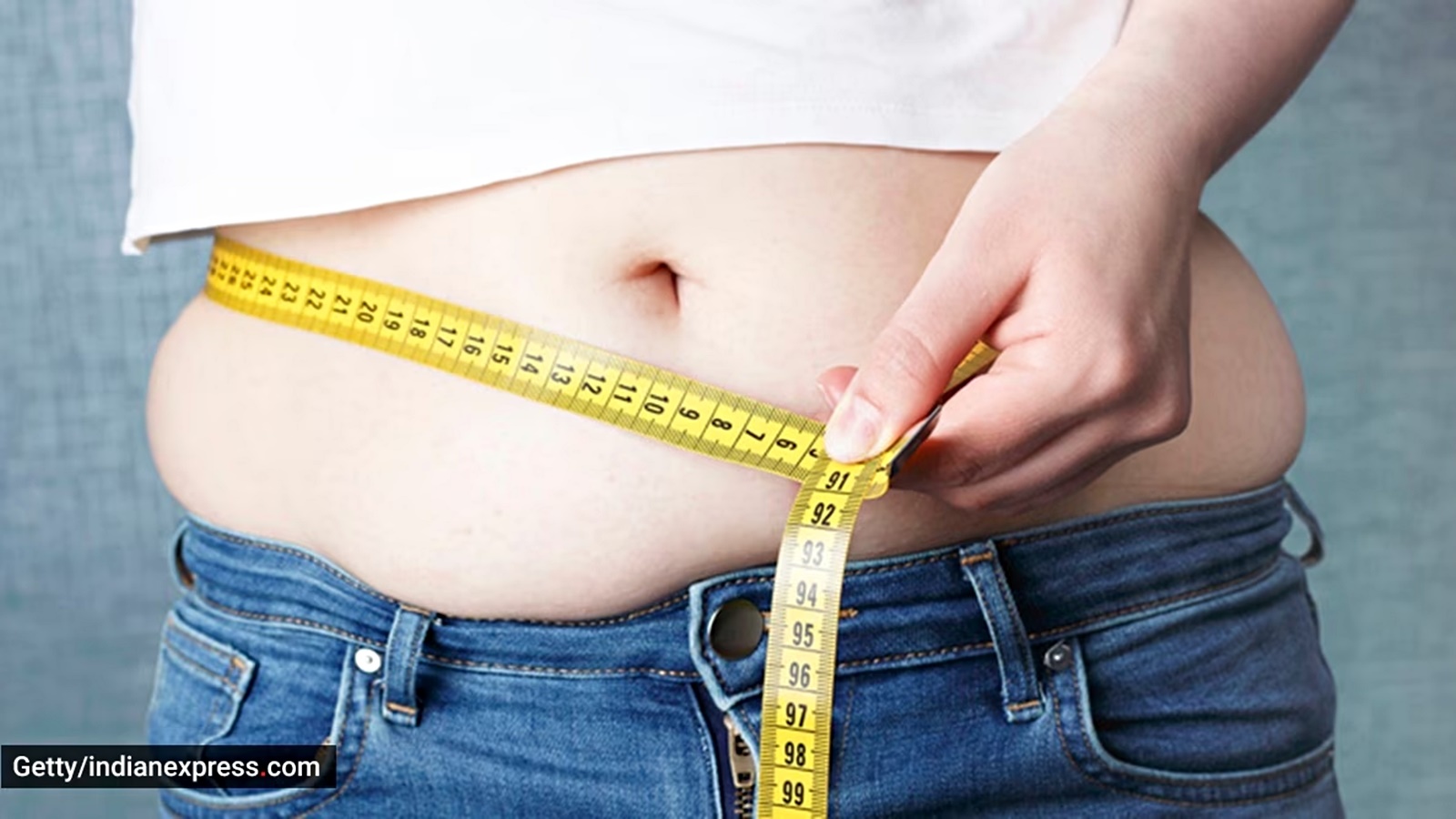 Here’s what you should consider (Photo: Getty Images/Thinkstock)
Should women be worried if they notice increasing abdominal fat despite maintaining a healthy lifestyle?
Not necessarily, but they should pay attention to it. According to Dr Deorukhkar, a gradual increase in abdominal fat can be a normal part of hormonal changes, especially in the late 30s and 40s. However, if the change is rapid and comes with irregular menstrual cycles, unexplained weight gain, fatigue, or other symptoms, it is wise to seek medical advice. Persistent central obesity can also raise the risk of diabetes, high blood pressure, and heart disease over time.
What is the healthiest way to deal with these body changes?
The aim should be long-term health instead of pursuing a specific body shape. Dr Deorukhkar mentioned that strength training, regular physical activity, a balanced diet rich in protein, good sleep, and stress management are much more effective than restrictive diets or quick solutions often seen online. “It is also important for women to recognise that bodies change naturally with age and hormonal shifts. Accepting these changes while continuing to prioritize overall health is a healthier and more sustainable approach than aiming for unrealistic expectations.”
Story continues below this ad
DISCLAIMER: This article is based on information from the public domain and/or the experts we spoke to. Always consult your health practitioner before starting any routine.
