
4 min readNew DelhiJun 3, 2026 02:30 PM IST
BMI, or Body Mass Index, is a simple calculation based on a person’s height and weight, commonly used to classify people as underweight, normal weight, overweight, or obese. However, Dr Mahesh D M, Senior Consultant – Endocrinology, Aster CMI Hospital, Bangalore, like many other medical experts, reiterates that “BMI does not measure body fat directly and cannot show how excess fat is affecting a person’s health”. To overcome these limitations, experts from The Lancet Diabetes & Endocrinology Commission introduced the concept of clinical obesity.
A recent national cross-sectional study published in the Annals of Internal Medicine journal stated that “BMI alone does not indicate the presence of organ or physical dysfunction due to excess adiposity”. Thus, the Lancet’s new definition of obesity is “based on expert opinion and defined by the presence of both excess adiposity by anthropometric criteria (such as waist circumference) and evidence of subsequent reduced organ or physical functioning”.

DISCLAIMER: This article is based on information from the public domain and/or the experts we spoke to. Always consult your health practitioner before starting any routine.
Dr Mahesh tells indianexpress.com that BMI and clinical obesity are related but not the same. He believes a muscular person may have a high BMI without excess body fat, while another person with a normal BMI may still have unhealthy body fat levels.
As such, he explains that clinical obesity — “defined as a chronic disease in which excess body fat causes health problems, affects normal body function, or damages organs and tissues” — focuses not only on body size but also on the actual impact of excess fat on a person’s health.
According to Dr Mahesh, the key difference is that “BMI is a screening tool, while clinical obesity is a disease diagnosis”, based on symptoms, body fat levels, and health complications.
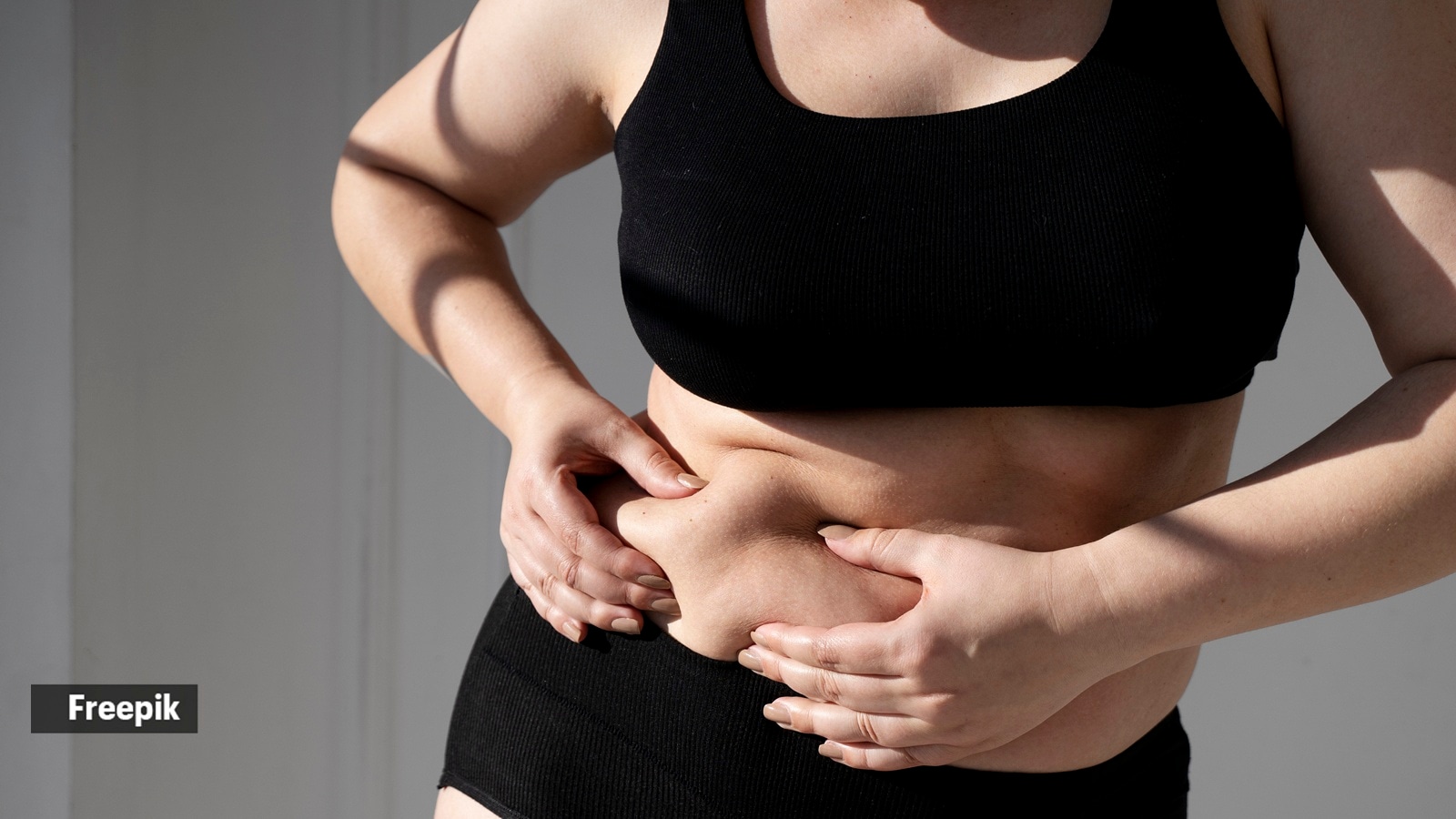 BMI vs Clinical Obesity: A person with normal BMI may still have unhealthy levels of body fat. (Magnific)
The expert says that today, obesity diagnosis should go beyond BMI alone. “Doctors are encouraged to assess waist circumference, waist-to-hip ratio, body fat percentage, medical history, physical examination, and obesity-related complications. In some cases, body composition scans and imaging tests may also be used to better understand fat distribution and health risks,” he elaborates.
Story continues below this ad
Signs to watch out for clinical obesity
According to Dr Mahesh, there are several signs that may indicate clinical obesity. These include shortness of breath during daily activities, difficulty walking or climbing stairs, excessive tiredness, sleep problems such as sleep apnea, joint and back pain, reduced mobility, and difficulty performing routine tasks, he lists out.
“Obesity-related conditions such as type 2 diabetes, high blood pressure, heart disease, fatty liver disease, kidney disease, and infertility can also be signs that excess body fat is affecting health,” he adds.
Dr Mahesh concludes that the new approach aims to identify people who truly need treatment and intervention, allowing for more accurate diagnosis, personalized care, and better long-term health outcomes.
DISCLAIMER: This article is based on information from the public domain and/or the experts we spoke to. Always consult your health practitioner before starting any routine.
