
Tongue scraping has long been part of traditional oral care routines, often recommended for fresher breath and a cleaner mouth. But could this simple habit also support healthy ageing?
The idea recently gained attention after Dr Daniel Pompa, speaking on The Model Health Show podcast, claimed that tongue scraping stimulates bacteria involved in the production of nitric oxide—a molecule linked to blood vessel health, circulation, and overall well-being.
Dr Pompa said, “When you tongue scrape, you literally stimulate a bacteria that helps you produce something called nitric oxide.”
DISCLAIMER: This article is based on information from the public domain and/or the experts we spoke to. Always consult your health practitioner before starting any routine.
So, is there any science behind the claim? According to Dr Anmol Agarwal, Principal Consultant, Department of Oral, Dental and Maxillofacial Care, Yashoda Medicity, Ghaziabad, there is indeed evidence that tongue scraping can support nitric oxide production.
“It is proven that gentle tongue scraping from inside to outside two to three times can stimulate oral microbes that, with the help of certain enzymes also called nitric oxide-stimulating enzymes, can convert amino acids into nitric oxide,” he tells indianexpress.com.
Why nitric oxide matters
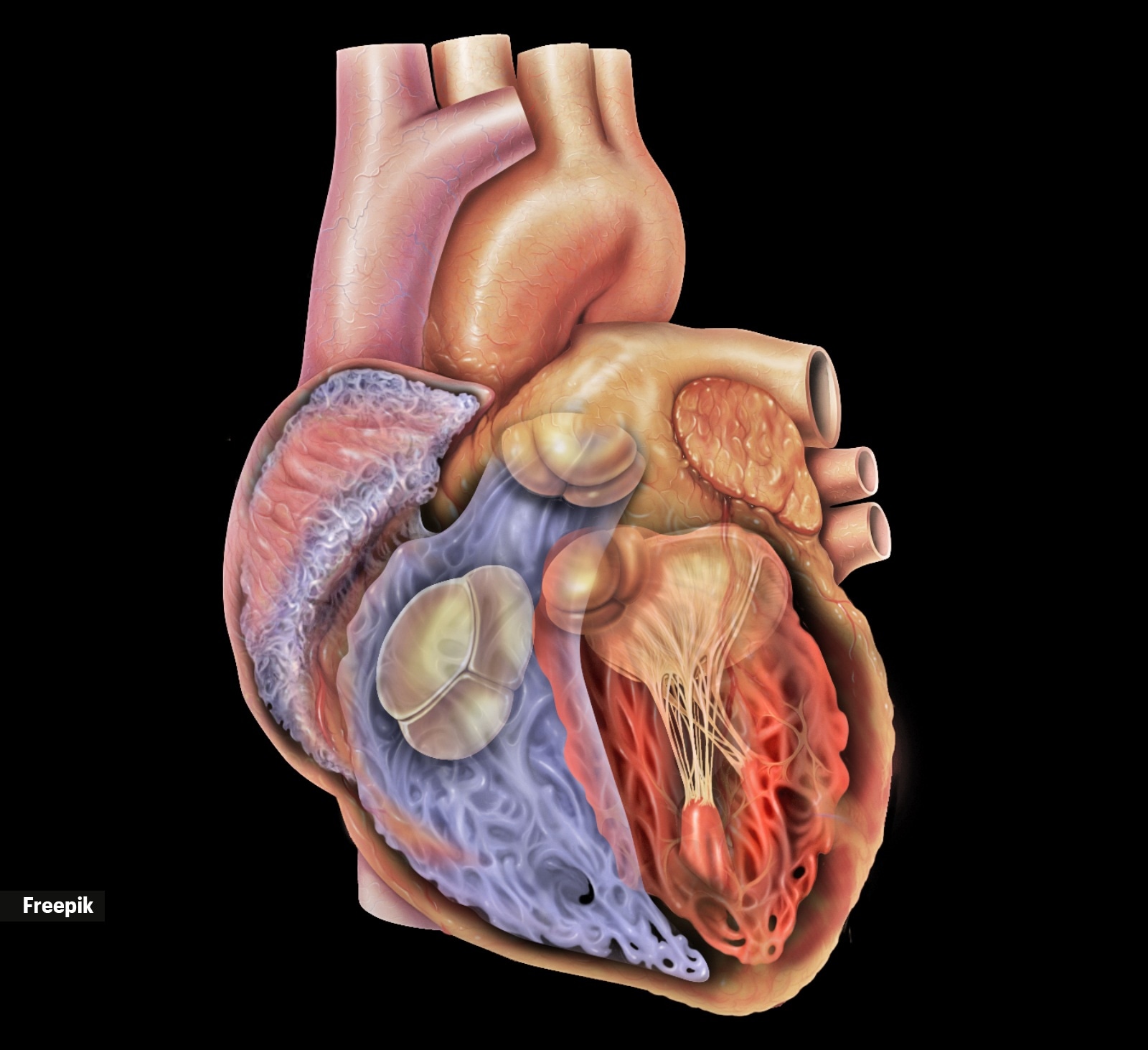 Nitric oxide is a natural vasodilator that relaxes blood vessels and improves blood flow to vital organs (Image: Freepik)
Nitric oxide is often described as a natural vasodilator, meaning it helps blood vessels relax and widen, allowing blood to flow more efficiently throughout the body.
Story continues below this ad
“It is known as a natural vasodilator, hence helps in keeping blood pressure within normal limits and reduces the risk of cardiovascular diseases and thereby results in an anti-ageing effect,” says Dr Agarwal.
Beyond blood circulation, nitric oxide also plays several other important roles in the body.
“It helps in relaxing the smooth muscles of the blood vessels, thereby increasing blood flow to the vital organs. It is also known to eliminate pathogens with the help of macrophages and act as a neurotransmitter. Hence nitric oxide can be named as an anti-ageing or longevity agent,” says Dr Agarwal.
Experts say that because nitric oxide supports cardiovascular health, immune function, and communication between nerve cells, maintaining healthy levels may contribute to better long-term health and healthy ageing.
Story continues below this ad
However, tongue scraping alone is not a shortcut to longevity. “It is crucial to note that without good oral hygiene maintenance and a good systemic immune response of the body, this effect cannot be achieved,” Dr Agarwal points out.
Tongue scraping may also offer benefits that extend beyond oral hygiene.
According to Dr Agarwal, it can help reduce unwanted oral microbes and promote the growth of healthy bacteria that may support better digestion, improve taste perception, and contribute to a stronger immune response.
How to scrape your tongue safely
Experts recommend gently scraping the tongue from back to front two to three times using a clean metallic or wooden tongue scraper after brushing your teeth.
While generally safe, the activity can cause problems if overdone.
Story continues below this ad
“Too aggressive and repeated tongue scraping can cause injury, bleeding, a burning sensation, and altered taste,” Dr Agarwal cautions.
He also cautions against using unhygienic equipment. “Unhygienic or rusted tongue scrapers can also lead to systemic infections,” he adds.
While tongue scraping should not be viewed as an anti-ageing miracle, experts say it remains a simple oral care habit that may support both oral and overall health when practised correctly.
DISCLAIMER: This article is based on information from the public domain and/or the experts we spoke to. Always consult your health practitioner before starting any routine.
