
The “zero gravity” sleep position has become one of the most talked-about wellness trends online. Supporters say it can ease back pain, reduce snoring, improve circulation, and even lead to better sleep. But is it genuinely beneficial, or just another social media fad?
According to Dr Harish Chafle, Senior Consultant, Chest Physician, Bronchoscopist, Intensivist and Sleep Disorders Specialist at Gleneagles Hospitals, Parel, Mumbai, the position is based on a real physiological principle.
“Zero gravity position means lying with your head and legs slightly elevated, knees bent. It mimics the neutral body posture astronauts use in space to reduce spinal pressure,” he tells indianexpress.com
Instead of lying completely flat, the body is positioned so that weight is distributed more evenly, reducing strain on the spine and joints.
DISCLAIMER: This article is based on information from the public domain and/or the experts we spoke to. Always consult your health practitioner before starting any routine.
Can it improve sleep quality?
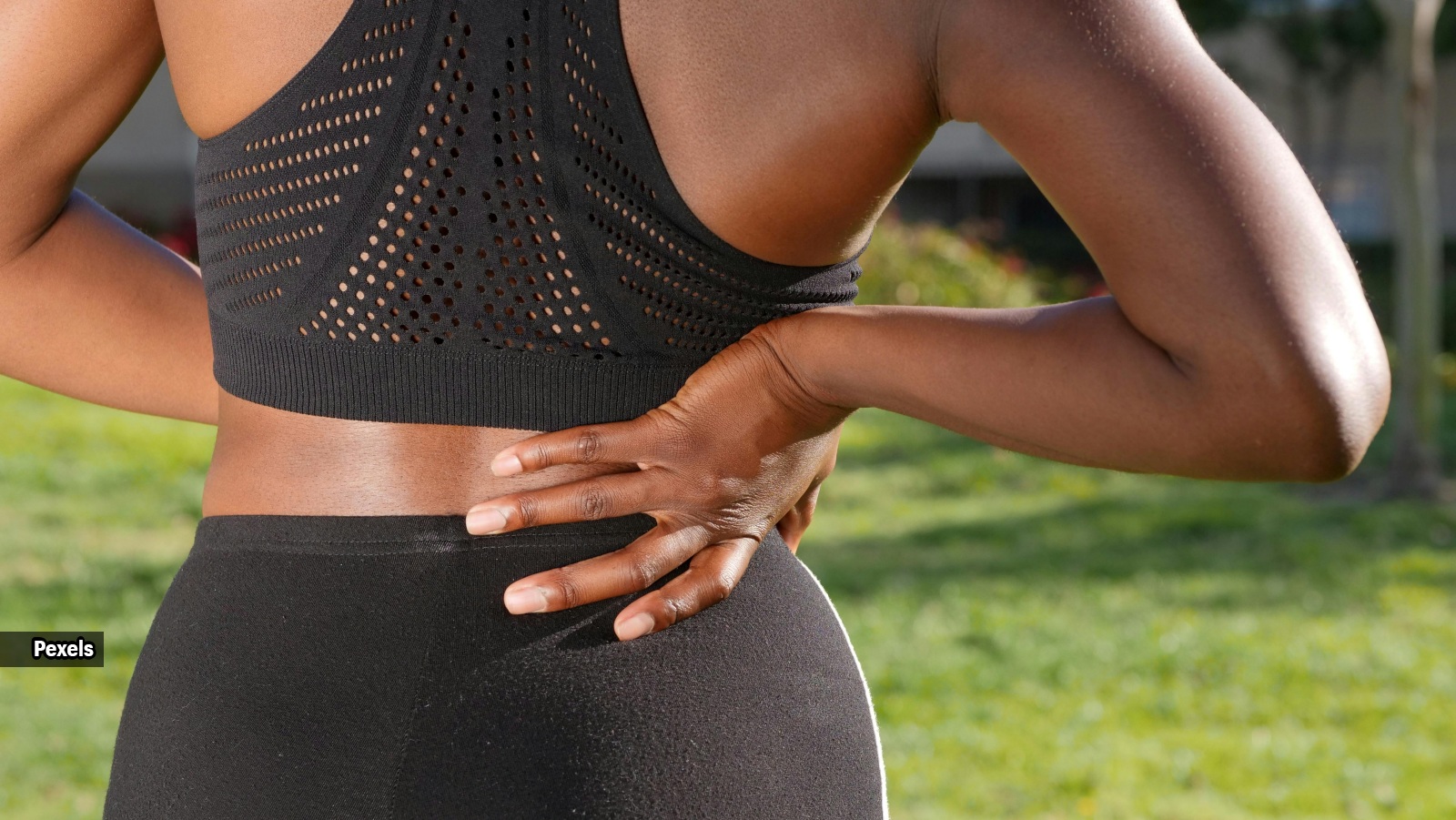 It can ease pressure on the spine, making it a popular recommendation for back pain and sciatica (Image: Pexels)
The answer, according to Dr Chafle, is yes — at least for some people.
“Elevating head + legs reduces pressure points, lowers snoring, and improves circulation, which can mean fewer wake-ups. Studies show it helps people fall asleep faster by relaxing lumbar muscles and lowering heart workload,” he says.
Story continues below this ad
However, he cautions against viewing it as a miracle solution. “If your mattress is bad or you have no pain issues, benefits are modest. Think ‘clinical tool’ for some, ‘comfort upgrade’ for others.”
Why is it often recommended for back pain?
One reason the position has gained popularity is its potential effect on the spine. “It evenly distributes body weight, taking load off the lumbar spine and decompressing discs,” Dr Chafle explains.
The neck can also remain in a neutral position if the pillow is not too high, helping reduce cervical strain. For people with lower back pain, sciatica, or recovering from surgery, the position may be particularly helpful.
“For lower back pain, sciatica, or post-surgery recovery, many orthopedicians recommend it because it reduces 75% of spinal pressure versus flat lying,” he further notes.
Story continues below this ad
Many people with chronic pain also report less morning stiffness after sleeping in this position.
Who may benefit the most?
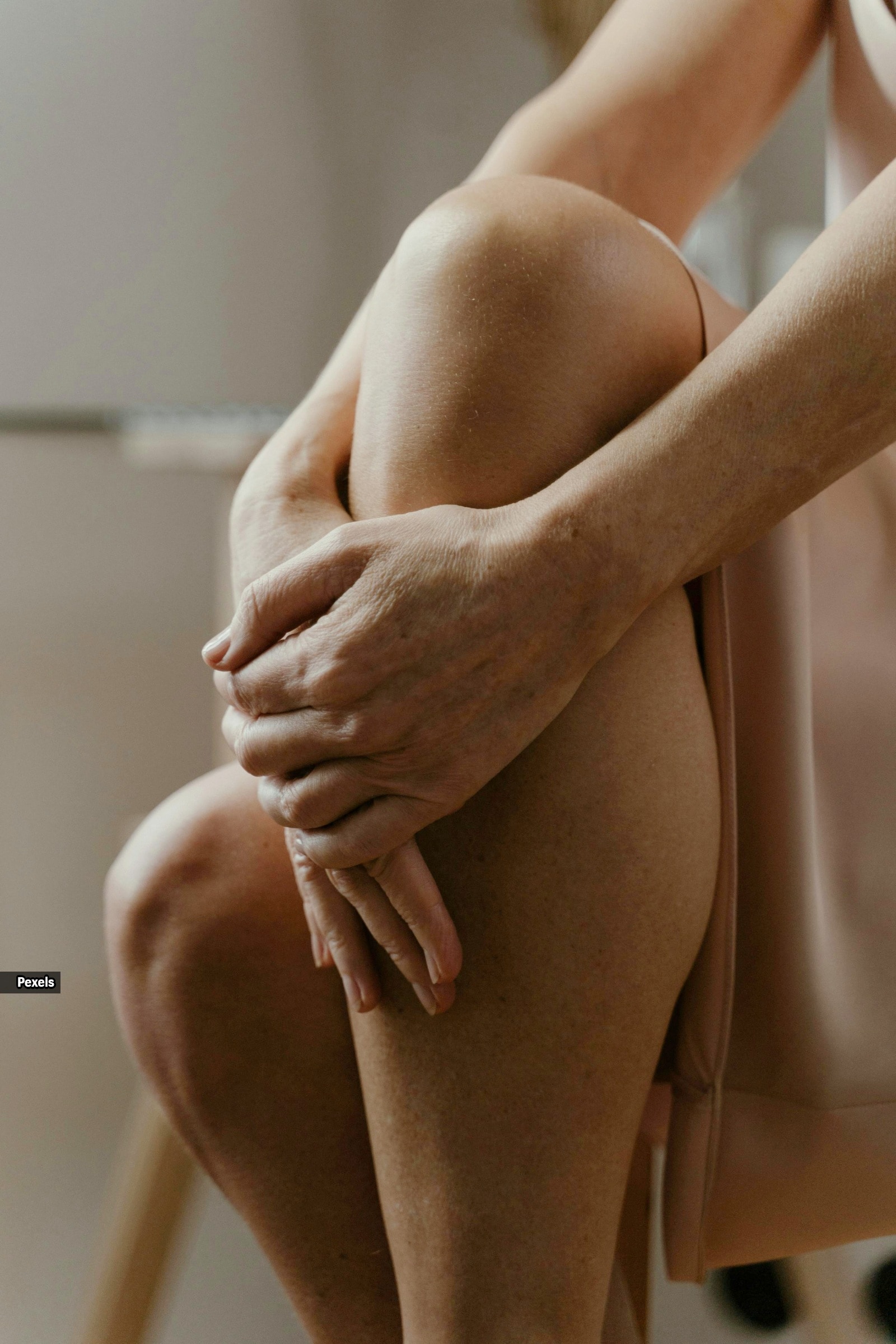 Keeping the legs raised may improve blood flow and reduce swelling in the legs and ankles (Image: Pexels)
The position may be especially useful for people with acid reflux, sleep apnea, snoring, poor circulation, swollen legs, COPD, or heart failure. For people with GERD, keeping the head elevated can make a noticeable difference. “Head elevation 6–8 inches keeps stomach acid down,” says Dr Chafle.
Similarly, elevating the torso may help keep the airways more open during sleep, reducing snoring and airway collapse in some people with sleep apnea.
The position may also benefit those who experience swollen ankles, varicose veins, or circulation-related discomfort. According to Dr Chafle, elevating the legs above heart level helps improve venous return, encouraging blood to flow back towards the heart more efficiently. Some pregnant women may also find it more comfortable than lying completely flat.
Story continues below this ad
That said, he stresses that the position should be viewed as supportive care rather than a treatment. “It’s supportive care, not a cure. Always combine with medical treatment.”
Are there any downsides?
Not everyone should rush to try the trend. Dr Chafle advises caution for people with severe glaucoma, advanced arthritis, significant hip stiffness, or certain shoulder injuries. Sleeping with the knees bent for long periods may aggravate joint stiffness in some individuals.
“Neck stays neutral if your pillow isn’t too high, reducing cervical strain,” he says, adding that the wrong pillow height or excessive knee bending can sometimes create new neck, hip, or posture-related problems.
People with acid reflux should also avoid sliding down during the night, as doing so can reduce the benefits of the elevated position. In some cases, poor positioning may contribute to nerve compression or discomfort.
Story continues below this ad
“Talk to your doctor before switching if you have cardiac, ocular, or joint conditions,” Dr Chafle concludes.
DISCLAIMER: This article is based on information from the public domain and/or the experts we spoke to. Always consult your health practitioner before starting any routine.
