
3 min readNew DelhiJul 5, 2026 05:56 PM IST
Refrigerators and microwaves have made life infinitely easier. Extra food? No worries. Pop it in the fridge overnight, then heat it whenever you feel like it. But if you find yourself reheating leftovers often, there are certain safety guidelines you must keep in mind to avoid inviting foodborne illnesses.
Edwina Raj, Head of Services – Clinical Nutrition & Dietetics, Aster CMI Hospital, Bangalore, says that improper storage or reheating can allow harmful bacteria to grow, increasing the risk of food poisoning.

DISCLAIMER: This article is based on information from the public domain and/or the experts we spoke to. Always consult your health practitioner before starting any routine.
To avoid them, she shared five important guidelines everyone should follow:
#1
Leftovers should be refrigerated within two hours of cooking. Leaving cooked food at room temperature for a long time allows bacteria to multiply quickly. In hot weather, food should be refrigerated even sooner.
#2
Store leftovers in clean, airtight containers. This helps maintain freshness and prevents contamination from other foods in the refrigerator. It also helps the food cool more quickly.
#3
Consume refrigerated leftovers within two to three days. Keeping food for too long increases the risk of bacterial growth, even if the food looks and smells normal.
Story continues below this ad
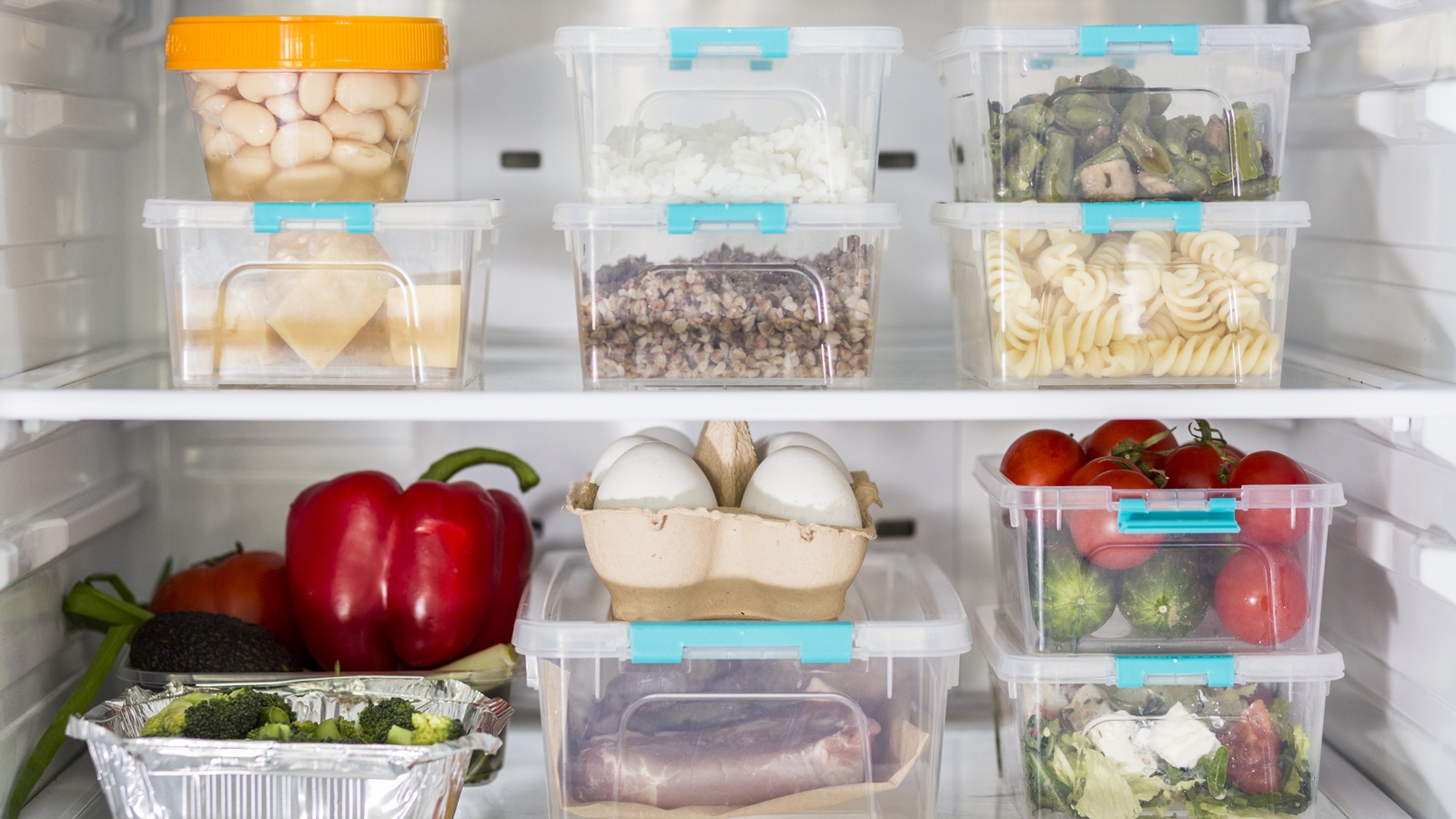 Store leftovers in clean, airtight containers. (Source: Magnific)
#4
Reheat food thoroughly before eating. The food should be steaming hot all the way through, including the center. Uneven heating can leave some bacteria alive, increasing the risk of illness.
#5
Reheat only the portion you plan to eat. Repeatedly cooling and reheating the same food can encourage bacterial growth and reduce food quality.
What to strictly avoid
Raj also mentioned some practices that people should strictly avoid:
“Do not leave leftovers on the kitchen counter overnight, as this creates ideal conditions for bacteria to grow. Avoid eating them that have an unusual smell, taste, color, or texture, as these may be signs of spoilage,” she warned, adding that you should not mix fresh food with old leftovers in the same container. It is also important not to overload the refrigerator, as proper cooling is necessary to keep food safe, she added.
Story continues below this ad
DISCLAIMER: This article is based on information from the public domain and/or the experts we spoke to. Always consult your health practitioner before starting any routine.