
At the Michelin starred 90-seater restaurant Indienne in Chicago, a server may place before you what looks, at first glance, like an elegant French tasting course: a precise curl of sauce, a delicate construction of meat, a polished white plate carrying almost architectural restraint. Then you take a bite and realise you are eating butter chicken.
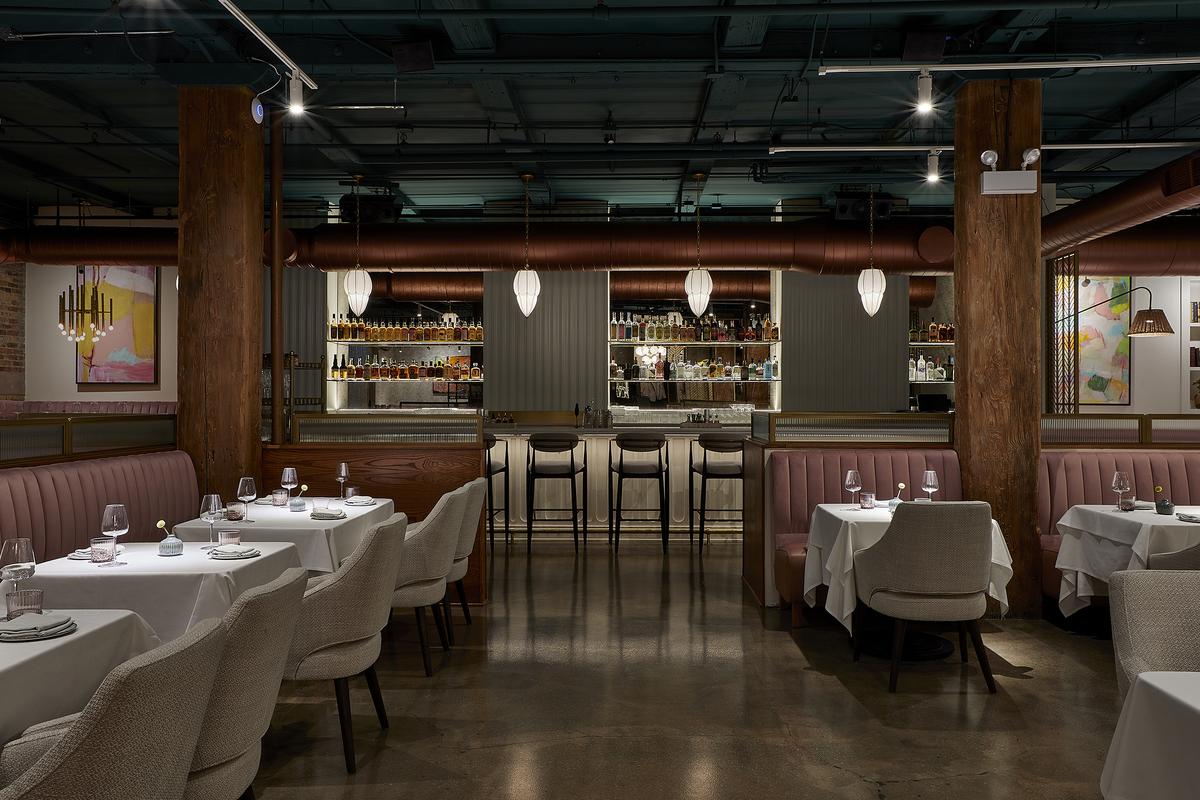
Indienne’s Chicago outlet.
| Photo Credit:
Neil John Burger
Familiar flavours arrive disguised in new textures and forms: smoky tomato, cream, char, the warmth of garam masala all folded into a breast layered with mousses and kebabs, the memory of the dish encapsulated rather than reproduced.
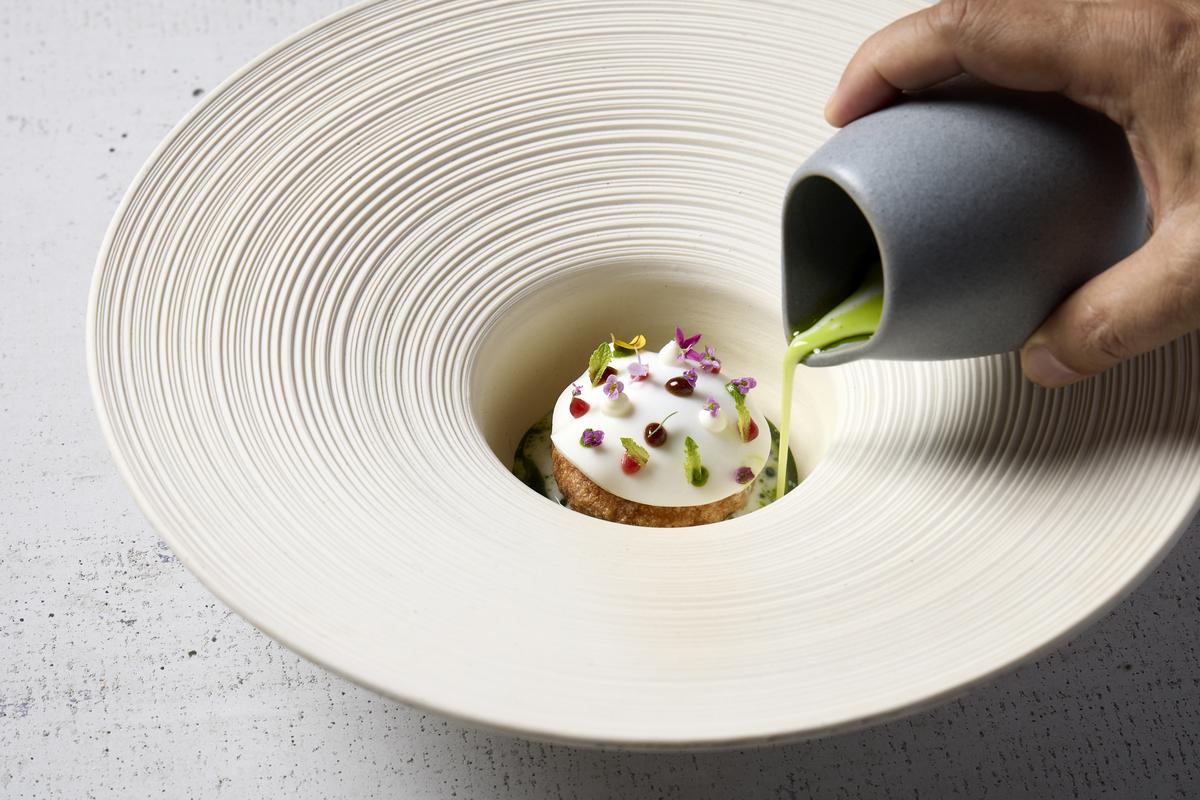
Chef Sujan Sarkar’s cooking is rooted in Indian flavours while drawing on contemporary techniques and global influences.
| Photo Credit:
Neil John Burger
This act of transformation has become chef Sujan Sarkar’s signature. And now, after building one of America’s most acclaimed Indian fine dining restaurants in Chicago, he has launched Indienne in New York on May 28.

The new 34-seater at Manhattan’s Henry Hall in Hudson Yards arrives with considerable anticipation. The original Indienne opened in September 2022, in the uncertain aftershocks of COVID-19, when the idea of a large-format Indian tasting-menu restaurant in America still felt commercially risky. Sujan began cautiously, operating with an 80% tasting menu and a smaller a la carte section. “We didn’t know if people would accept a fully Indian tasting-menu experience at that scale,” he says.
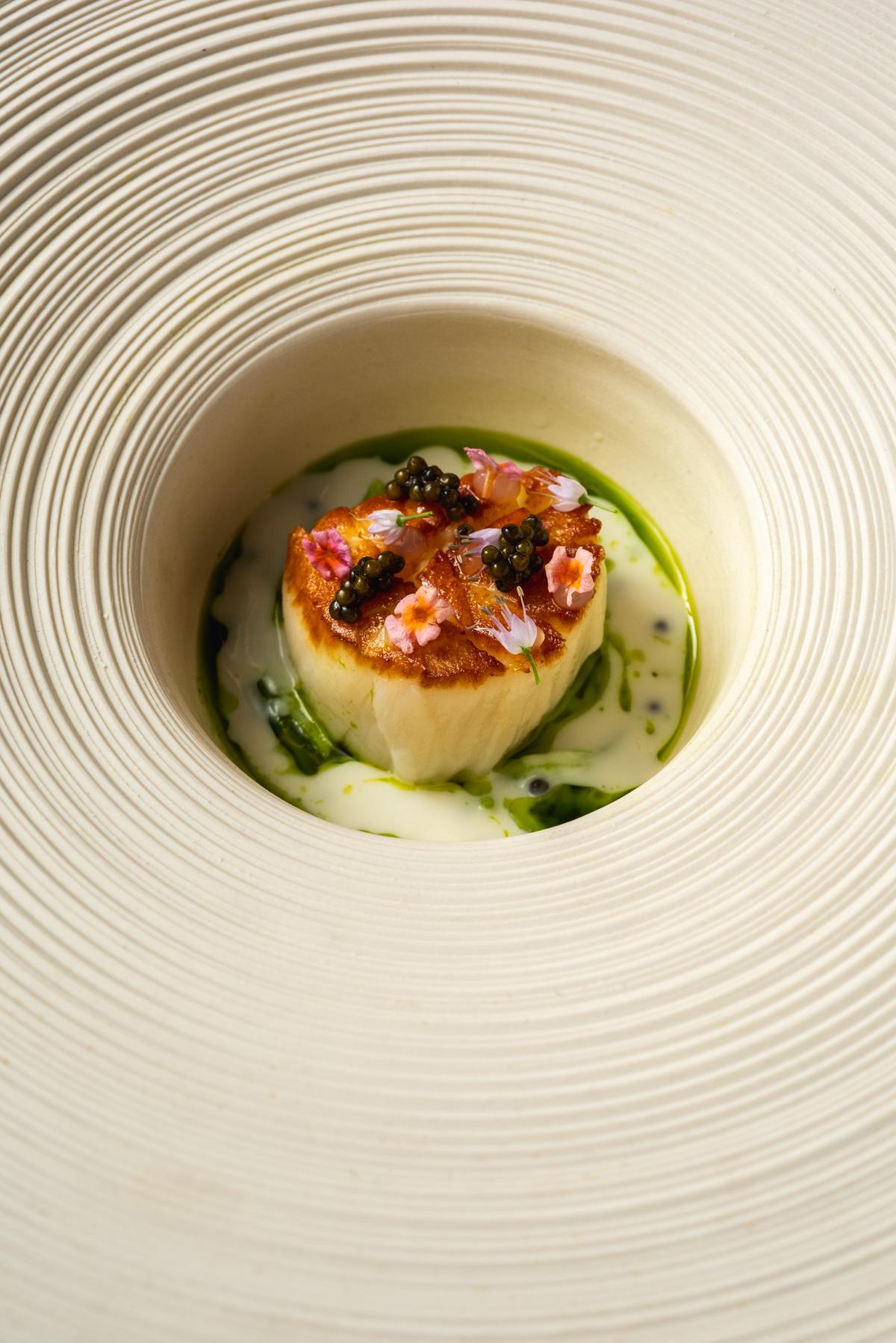
Indienne has pushed Indian food into American conversation.
| Photo Credit:
Kevin Eduard White
Within months, diners made the decision for him. By February 2023, Indienne had shifted entirely to tasting menus, becoming perhaps the only Indian restaurant in America operating at that size and format.
The accolades arrived quickly: Michelin star, James Beard nominations, Esquire and Bon Appétit lists, Resy’s essential restaurants. But what Indienne truly achieved was subtler. It helped push Indian food into a different American conversation not as exotic spectacle or comforting takeaway, but as serious contemporary cuisine capable of nuance technicality and narrative.
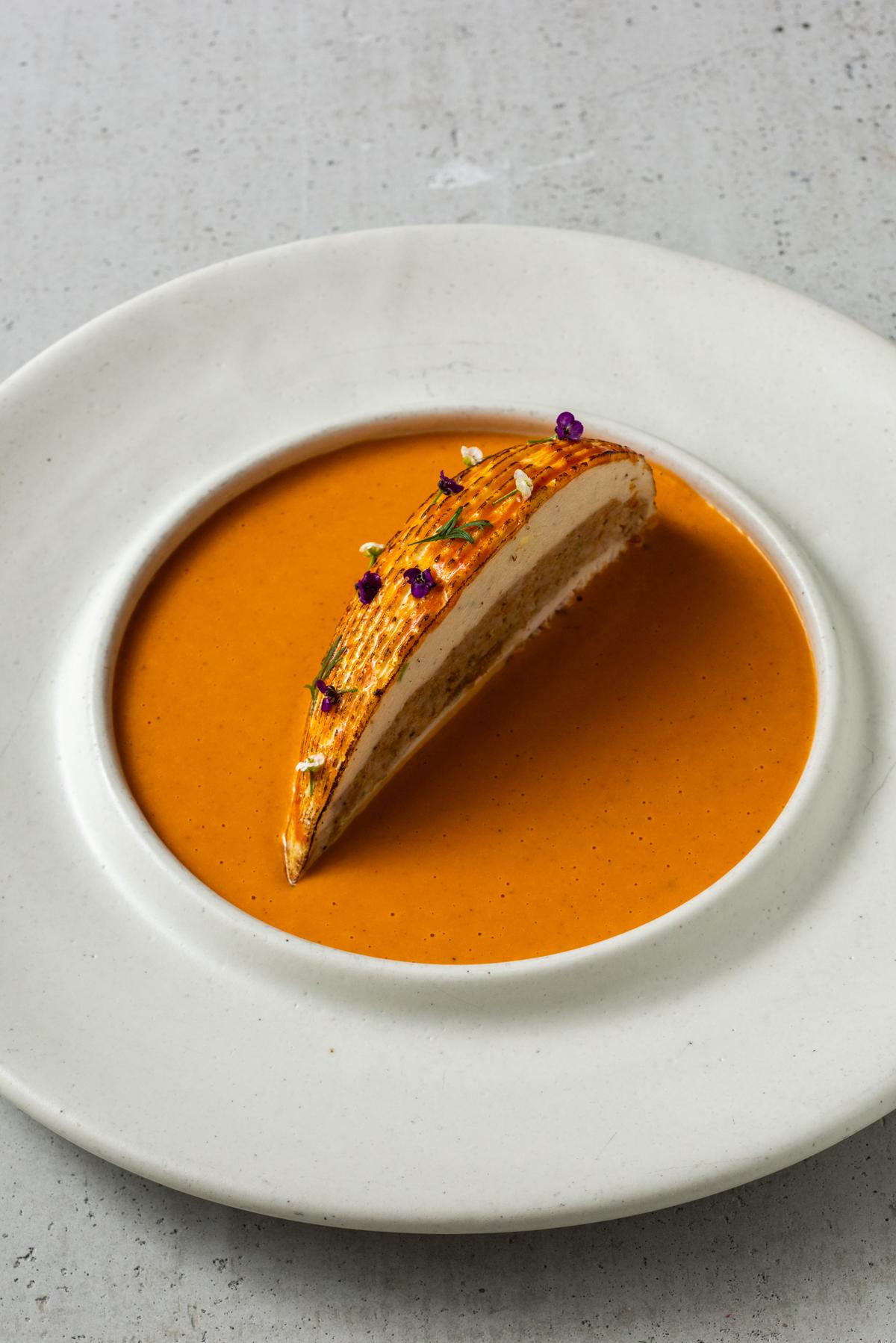
Through Indienne, Sujan presents a modern interpretation of Indian cooking.
| Photo Credit:
Kevin Eduard White
Sujan’s own trajectory mirrors that shift. Before cooking Indian food professionally, he spent 11 years training in modern European and French kitchens across London and San Francisco. “Then I went back to India to really learn Indian cooking,” he says. That dual training now defines his food. He resists calling it fusion. “The flavours remain Indian,” he explains, “We are not adding French cheeses or wines and changing the soul of the food.” Instead, he borrows technique, structure and presentation from European fine dining while allowing the emotional register of the dishes to remain deeply rooted in the subcontinent.
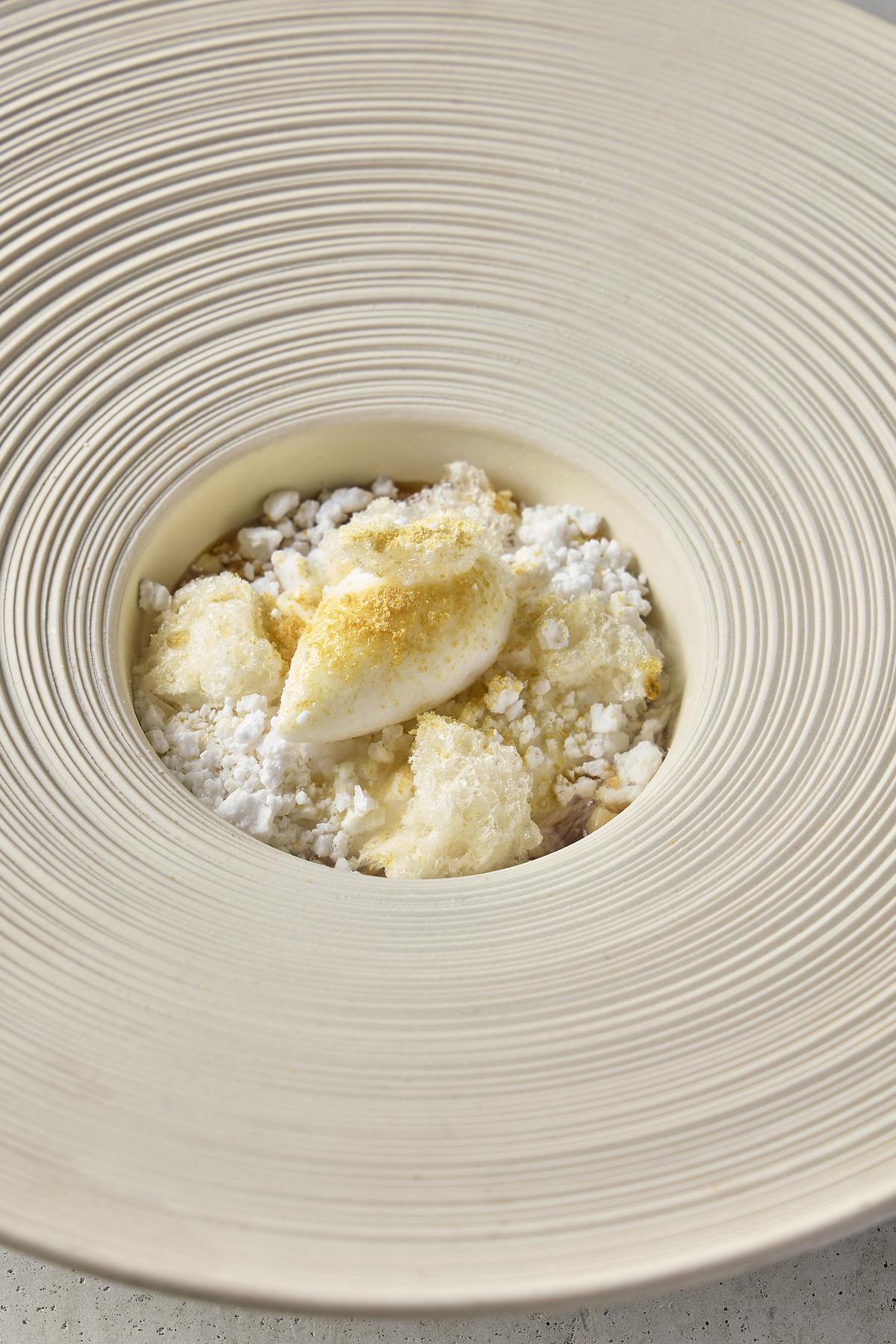
The nine course experience draws from more than a 100 dishes tested in Chicago over the last few years.
| Photo Credit:
Neil John Burger
The result is food that feels simultaneously familiar and disorienting. There is a mushroom galauti kebab soft and smoky carrying the richness of a traditional Lucknow style kebab but reconstructed with earthy mushrooms and contemporary plating. There is a chicken liver galouti paired with spicy cherry chutney and shiso, where sweetness and heat move in sharp succession. Seasonal chaats appear throughout the menu with crisp textures, tartness, herbs and crunch.
Then comes what Sujan calls the sole cutting fish, avocado accompanying a vegetarian kebab mousse, baby corn sourced from local farms becomes part of a vegan course. Desserts reference Indian staples without replicating them literally like a layered elaneer (coconut) payasam (rice pudding) that resembles modern pastry.
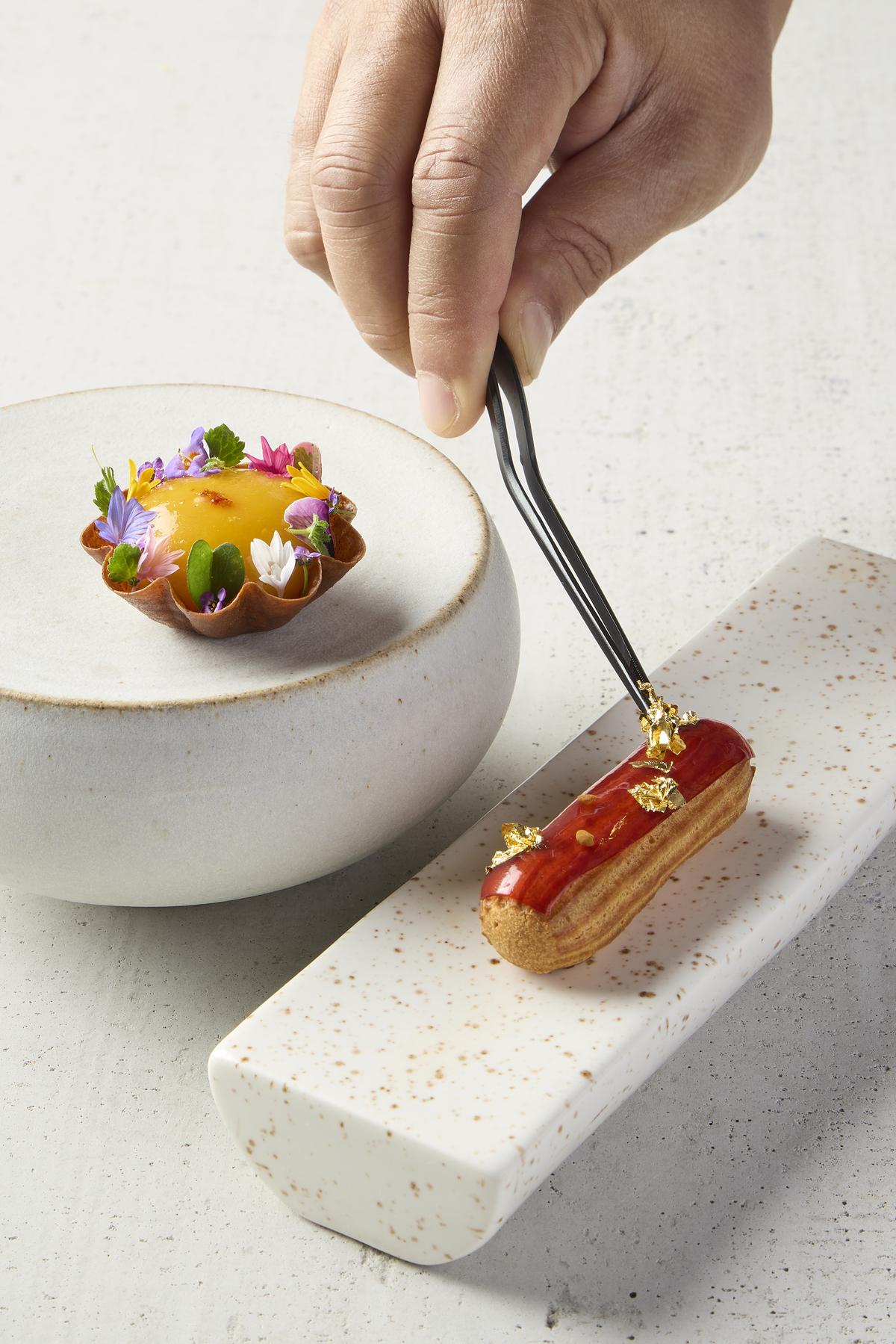
Desserts resemble modern pastries but carry the composition of Indian staples
| Photo Credit:
Neil John Burger
At the New York restaurant, Sujan says the menu expands into a nine course experience drawn from more than a 100 dishes tested in Chicago over the last few years. The restaurant also features an open kitchen, allowing diners to watch the choreography of the tasting menu unfold in real time.
But perhaps what distinguishes Indienne most is not simply the food. Sujan speaks repeatedly about hospitality. Traditional tasting menu restaurants, he believes, can sometimes become overly rigid. Indienne attempts the opposite. “We try to say yes. People should feel comfortable, “ he says. That ethos extends to the drinks programme as well, where cocktails and non-alcoholic pairings receive the same attention as the food. Seasonal gin and tonics, strawberry-forward cocktails, clarified Negronis and elaborate spirit free pairings built in house are treated not as supplements but as part of the storytelling.
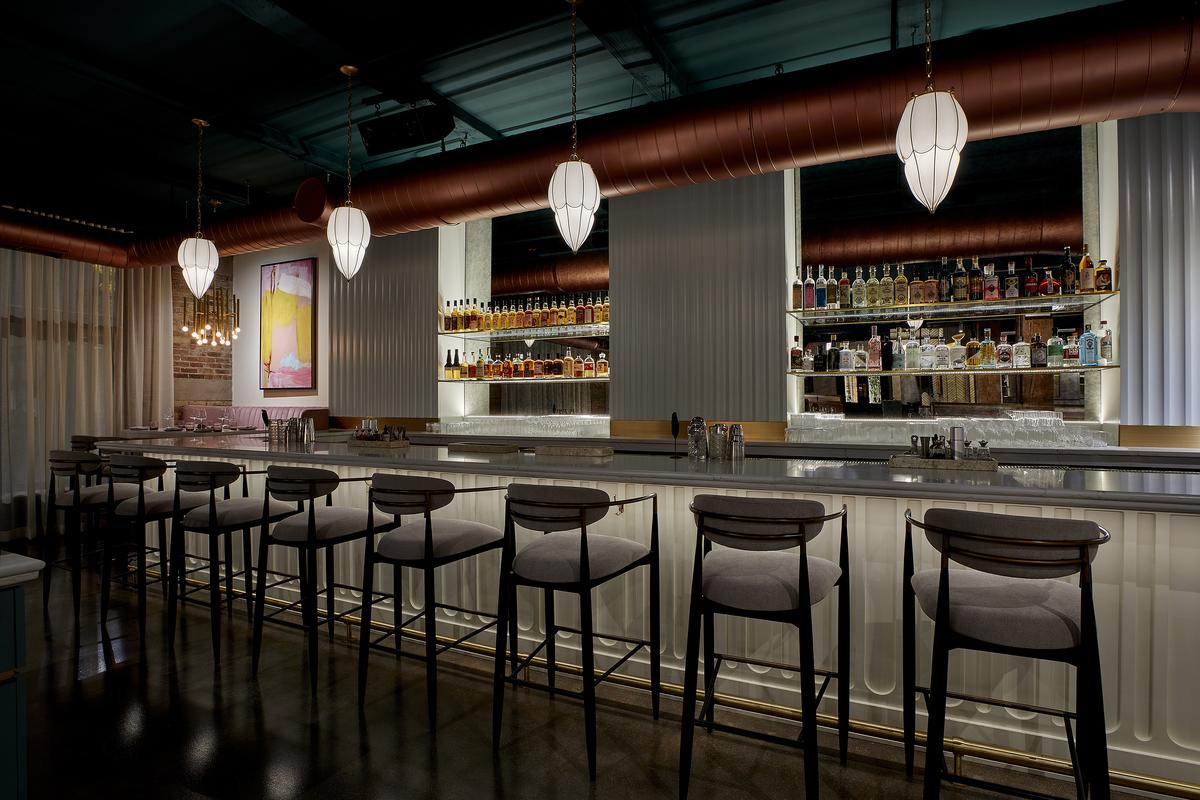
The bar at Indienne, Chicago
| Photo Credit:
Neil John Burger
This philosophy has helped Sujan build an unusually broad restaurant ecosystem across American cities. Alongside Indienne, his portfolio includes regional Indian concepts, cocktail bars, cafes and modern Middle Eastern restaurants. Some are deeply experimental, his are intentionally traditional. Sujan’s Nadu in Chicago, for instance, focusses on regional coastal Indian food without modern reinterpretation.
And perhaps that is what the New York opening really represents. Not just another modern Indian restaurant launch, but the arrival of an Indian fine dining vocabulary confident enough to reinvent itself without losing its accent.
Published – June 01, 2026 02:25 pm IST
