
3 min readNew DelhiJul 4, 2026 02:00 PM IST
Summer is here, and markets are brimming with seasonal fruits—from juicy mangoes to sweet lychees. But there is also a looming concern: chemically ripened produce. With increasing reports of fruits being artificially ripened, what’s on your plate may not be as safe as it looks.
One of the most commonly misused chemicals to accelerate the fruit’s ripening is calcium carbide, an inexpensive but illegal “masala.” Exposure to carbide-ripened fruits can pose serious health risks. So, we reached out to Dr Shubham Vatsya, Director and Head of Department, Gastro Sciences at ISIC Multispeciality Hospital, to learn about the simple signs that can help you distinguish artificially ripened fruits — mangoes, muskmelon, watermelon, lychees, and pineapple — from those that have ripened naturally.

DISCLAIMER: This article is based on information from the public domain and/or the experts we spoke to. Always consult your health practitioner before starting any routine.
1. Mangoes
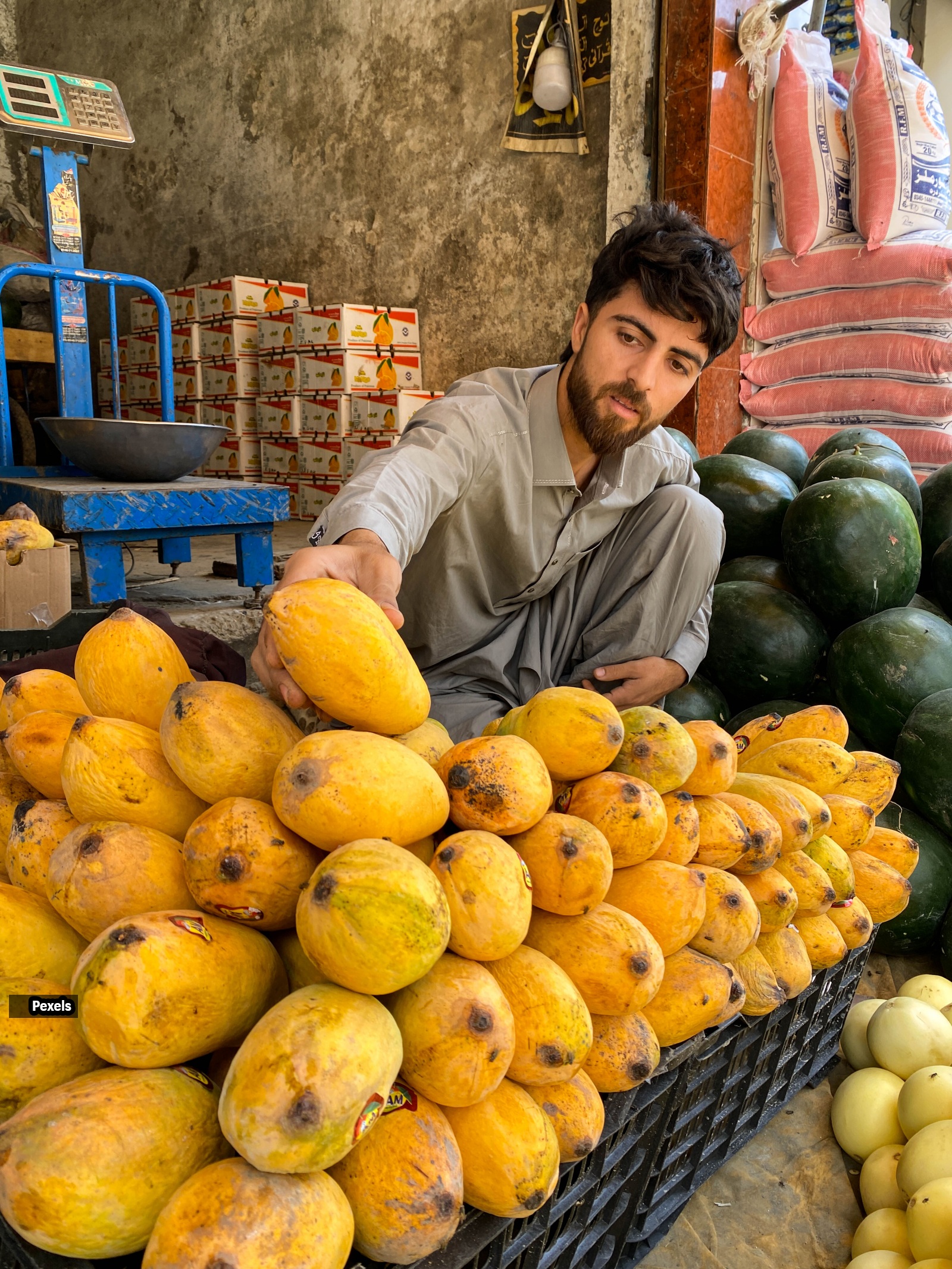 How to identify chemically ripened mangoes? (Image: Pexels)
Dr Vatsya explains that mangoes that are bright yellow with green patches near the stem, unevenly ripened, hard to touch, and lacking a natural aroma may have been artificially ripened. These may cause “stomach upset, nausea, diarrhoea, headaches, and throat or mouth irritation.” A naturally ripened mango usually softens evenly and has a sweet smell.
2. Muskmelon
A muskmelon that has a “uniform yellow colour” despite being hard, with weak aroma and less sweetness, could also be suspicious. “These can lead to stomach pain, vomiting, diarrhoea, and throat irritation.”
3. Watermelon
Some watermelons may look attractive from the outside but reveal problems once cut. How to identify? “Unevenly coloured flesh, poor sweetness, and hard texture”
If consumed, they may cause “digestive discomfort, nausea, diarrhoea, headaches, and mouth irritation.”
Story continues below this ad
4. Bright red lychee
If a lychee has very bright red skin but firm, less juicy flesh and poor natural sweetness, it may not have ripened naturally.
According to Dr Vatsya it can trigger “stomach upset, nausea, diarrhoea, headaches, and throat or mouth irritation.”
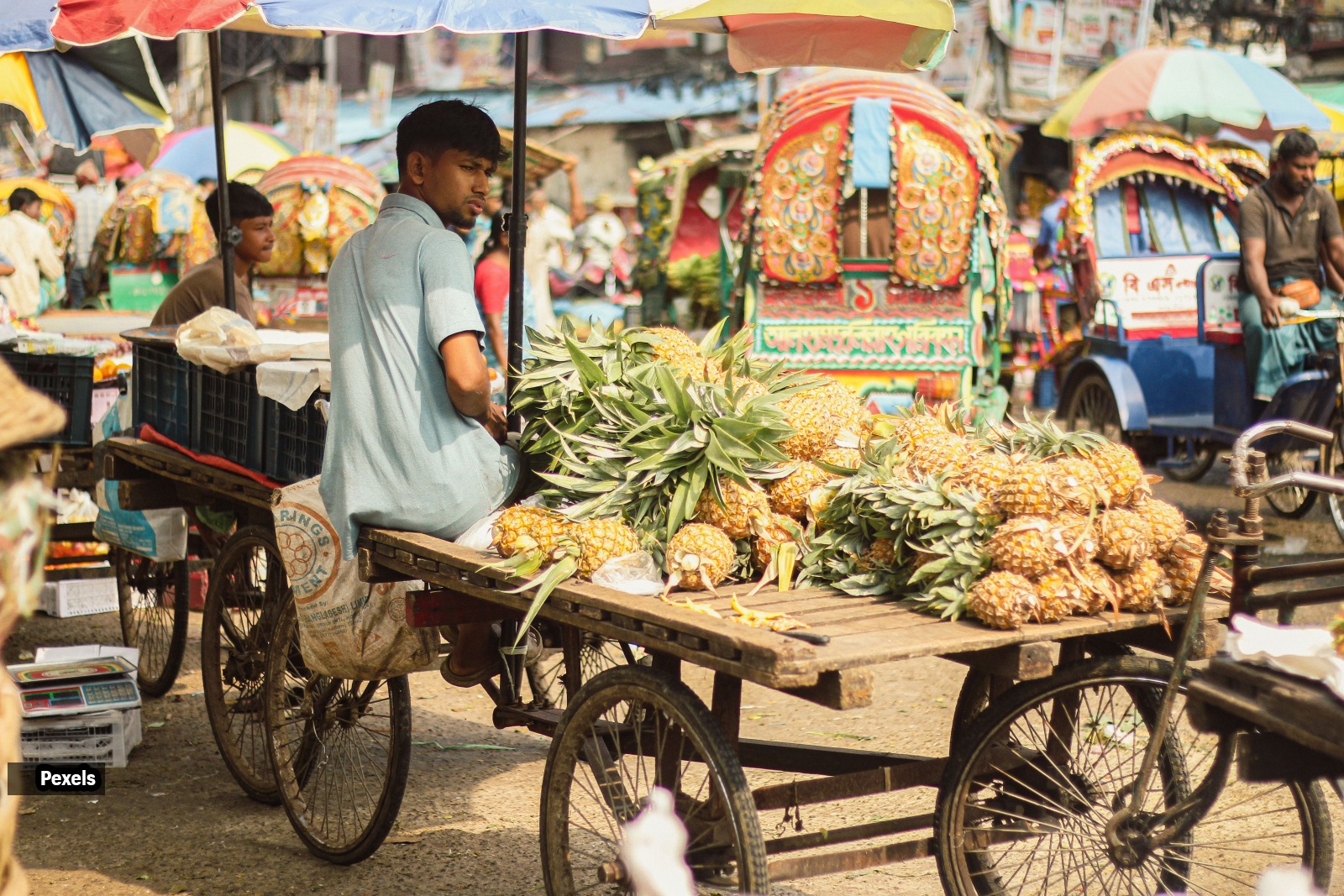 How to identify chemically ripened pineapples? (Image: Pexels)
5. Pineapple
A pineapple with yellow outer skin but hard texture, weak fragrance, and sour taste instead of natural sweetness may also be a warning sign, as per Dr Vatsya.
He further explains that eating such carbide-ingested pineapples “may lead to stomach pain, nausea, vomiting, diarrhoea, and mouth irritation.”
Story continues below this ad
So check fruits for natural smell, softness, and sweetness instead of relying only on bright colour. Buying from trusted sellers and washing fruits well before eating can also reduce risk. Sometimes, the most perfect-looking fruit may not be the safest one on your plate.
DISCLAIMER: This article is based on information from the public domain and/or the experts we spoke to. Always consult your health practitioner before starting any routine.
